

What Exactly is a 12×24 Lean-To Pergola? 🌟
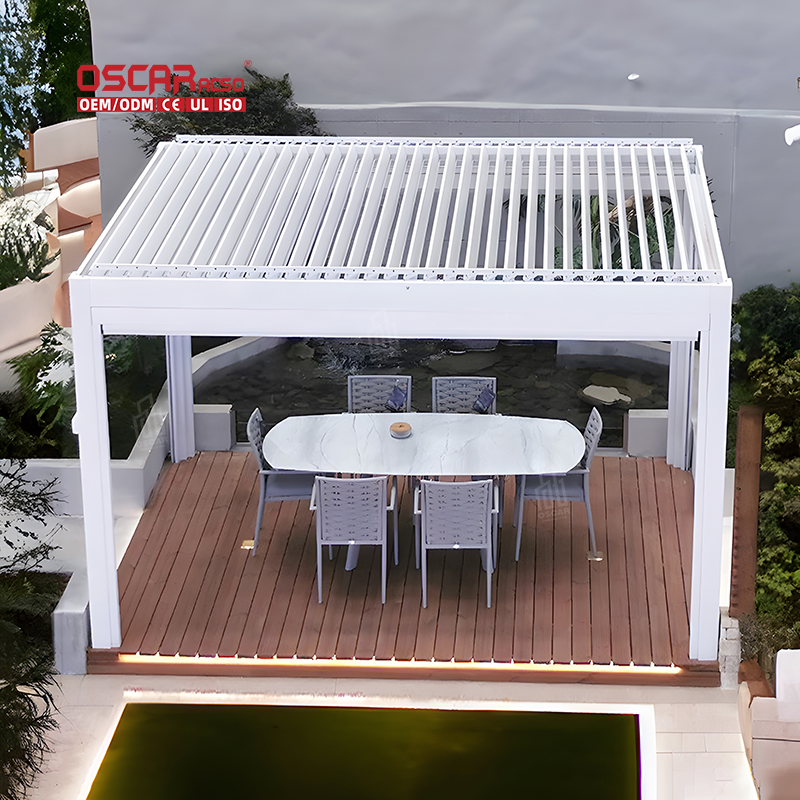
A 12×24 lean-to pergola is a versatile outdoor structure measuring 12 feet in depth and 24 feet in width, designed with a single-sloped roof that typically attaches to an existing building. Why would someone choose this specific size and style? It offers an ideal balance between spacious coverage and efficient use of yard space, making it perfect for hosting gatherings or creating a cozy retreat. Unlike freestanding pergolas, the lean-to design integrates seamlessly with your home, providing a streamlined aesthetic. I’ve always found that this configuration acts as a natural extension of your living area, blurring the lines between indoors and outdoors. Imagine enjoying a rainy day under its cover without sacrificing the open-air feel—it’s functional artistry at its best.
Key Advantages of the Lean-To Design 🏡
The benefits of a lean-to pergola extend beyond basic shade provision. Firstly, space efficiency is a major win; by utilizing one wall of your home, you save on materials and reduce the footprint, which is crucial for smaller properties. Secondly, the sloped roof enhances weather resistance, directing rainwater away from your foundation—a practical touch often overlooked. But how does it impact daily life? Homeowners report that it creates a “transition zone” for activities like morning coffee or evening socials, fostering a deeper connection with nature. From my perspective, the psychological comfort of having a dedicated outdoor “room” cannot be overstated; it encourages relaxation and mindfulness. Additionally, the attachment point allows for easy access to utilities like electricity, simplifying lighting or fan installations.
Design Tips for Your 12×24 Project ✨
When planning a pergola of this scale, thoughtful design ensures both beauty and durability. Start by considering the roof pitch—a steeper angle (e.g., 10-15 degrees) improves drainage, while a gentler slope maintains a modern look. Key elements to prioritize include:

- •
Material synergy: Match your home’s exterior; cedar wood for warmth or powder-coated aluminum for low maintenance.
- •
Lighting integration: Weave LED strips along beams for evening ambiance without cluttering the space.
- •
Ventilation gaps: Leave intentional openings between roof panels to allow heat escape during summer.

I’ve noticed that incorporating retractable shades or climbing plants like wisteria adds dynamic functionality, letting you adjust shade levels seasonally. Always consult local codes for height restrictions, especially when attaching to structures.

.jpg "12x24 lean to pergola")
.jpg "12x24 lean to pergola")
Material Selection: Balancing Cost and Longevity 💎
Choosing the right materials is critical for longevity and aesthetics. Common options include pressure-treated pine (budget-friendly but requires staining) or composite lumber (higher upfront cost but minimal upkeep). Why does material matter so much? It directly impacts maintenance cycles; for instance, hardwood like ipe can last decades with occasional oiling, while vinyl may fade under intense sun. My advice? Invest in corrosion-resistant hardware for joints and brackets—it’s a small detail that prevents premature failure. Recent trends show a surge in sustainable choices, such as reclaimed timber or recycled plastic composites, aligning with eco-conscious values.
Installation Insights: DIY or Professional Help? 🔧
Tackling a 12×24 pergola project raises the question of self-installation versus hiring experts. While DIY kits exist, the size and attachment requirements often necessitate professional assistance for structural integrity. Critical steps involve:
- •
Site preparation: Leveling the ground and verifying wall attachment points for load distribution.
- •
Anchor systems: Using concrete footings or ground screws to resist wind uplift.
- •
Roofing choices: Opting for polycarbonate panels for lightweight transparency or metal for durability.
Based on industry data, improper installation accounts for over 40% of pergola failures, highlighting the need for precision. If you DIY, recruit helpers and allocate extra time for unforeseen adjustments—it’s a marathon, not a sprint.
Future-Proofing Your Investment 🔮
Looking ahead, smart integrations are reshaping pergola functionality. Solar-ready designs, for example, allow you to mount panels discreetly on the sloped roof, powering outdoor lights or charging stations. I predict that modular accessories like removable screens or heating elements will become standard, extending usability into cooler months. While current costs for a 12×24 model range from 3,000to8,000 depending on materials, the ROI in property value and lifestyle enhancement makes it a wise long-term addition. Embrace customization—your pergola should reflect your unique rhythm of life.
.jpg "12x24 lean to pergola")