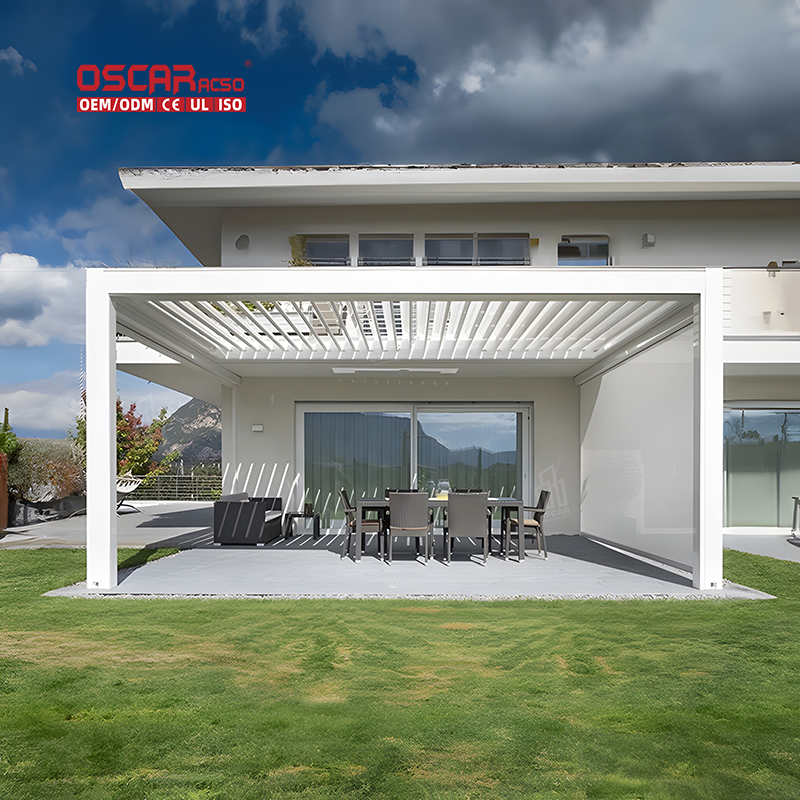
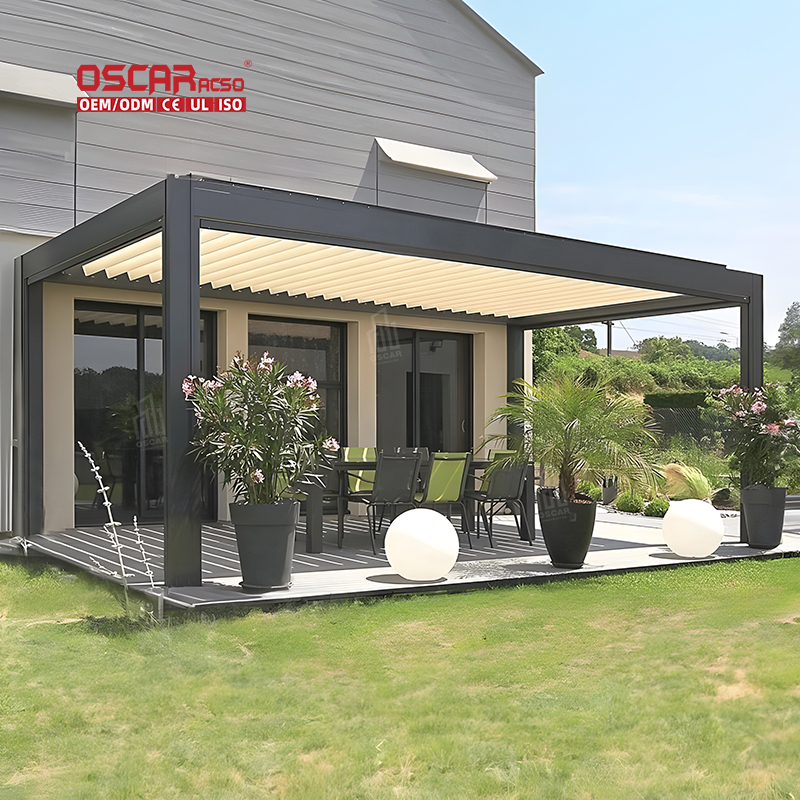
A 5×6 pergola refers to a structure measuring 5 feet in width and 6 feet in length, creating a rectangular footprint of approximately 30 square feet. This specific dimension strikes a remarkable balance between intimacy and functionality. But why should you care about these numbers? The 5×6 size is a goldilocks zone—it’s spacious enough to accommodate a small seating area or a bistro set comfortably, yet compact enough to fit neatly into most standard yards, patios, or even larger balconies without overwhelming the space. It provides a defined “outdoor room” feeling without consuming your entire garden.Personal insight: I’ve found that this proportion is particularly appealing because it doesn’t feel too narrow or excessively square; the slight rectangular shape naturally guides furniture placement and traffic flow.
Why Choose a 5×6 Size? Key Advantages ✨
The appeal of a 5×6 pergola lies in its practical versatility. Homeowners often ask, “Is this size too small for entertaining?”Surprisingly, no! Its intelligent proportions allow for:
• Optimized Space Utilization: Perfect for creating a cozy nook for two to four people, making it ideal for morning coffee or evening drinks.
• Material Efficiency: The dimensions often result in less waste when cutting standard lumber or aluminum beams, potentially lowering project costs.
• Ease of Installation: Its manageable size frequently means it can be a realistic DIY project for a weekend, unlike larger structures that may require professional help.
• Adaptability: It can serve multiple roles—a plant display area, a shaded reading spot, or a focal point for a small garden path.
The biggest win is how it maximizes limited areas, offering the full pergola experience without the footprint of a giant structure.
Design Ideas to Inspire Your Project 🌿
How can you make a 5×6 pergola look stunning? Creativity is key. Consider these approaches:
• Material Mix: Combine wood beams for a rustic feel with a metal frame for modern industrial flair.
• Roof Variations: Instead of a standard flat roof, experiment with a slight gable or curved design to add architectural interest.
• Vertical Integration: Use the sides for climbing plants like jasmine or clematis, which add privacy and natural beauty without encroaching on the floor space.
• Lighting Strategy: String lights draped across the 6-foot length can dramatically elongate the space visually, creating an enchanting atmosphere at night.
From my experience visiting garden shows, the most successful small pergolas use light-colored stains or paints to make the structure feel more open and airy, avoiding the “boxed-in” sensation.
Practical Installation and Material Tips 🔧
Thinking about building one? The foundation is crucial. For a stable 5×6 pergola:
• Ground Preparation: Ensure the ground is level. For permanent installations, concrete footings are recommended over simply placing posts on dirt.
• Material Choices:
• Wood: Cedar or redwood offer natural resistance to rot and insects.
• Composite: Low-maintenance but can be more expensive upfront.
• Aluminum: Lightweight and rust-proof, ideal for humid climates.
• Anchoring: Given its smaller size, it might be more susceptible to wind uplift if not properly secured. Always use robust post anchors.
A common mistake is underestimating the importance of the crossbeam spacing. For a 5×6, keeping beams about 12-16 inches apart provides optimal shade and structural integrity.
Cost and Long-Term Value Insight 💰
While costs vary, a DIY 5×6 wood pergola kit might range from 800to2,500. The exclusive value? Homes with well-defined outdoor living spaces like this see a noticeable increase in perceived value. I’ve observed that prospective buyers often gravitate towards these purposeful additions more than larger, undefined lawns. Data from outdoor living trends suggests that efficient, multi-functional spaces contribute more to property appeal per square foot than their larger counterparts.


.jpg "5x6 pergola")
.jpg "5x6 pergola")