What if you could build a pergola that combines the strength of metal with the beauty of wood, all while resisting the elements for decades? This is precisely what aluminium extrusion profiles bring to the table in pergola construction. These precision-engineered components form the structural foundation of contemporary outdoor living spaces, offering unparalleled versatility and durability compared to traditional materials.I’ve watched the pergola evolution firsthand, and the shift toward aluminium extrusions represents more than just a material change—it’s a fundamental rethinking of how we create outdoor environments. The extrusion process allows for incredible design flexibility, enabling manufacturers to produce profiles tailored to specific functional and aesthetic requirements.
What Exactly Are Aluminium Extrusion Profiles? 🤔
At its core, extrusion involves pushing heated aluminium billets through a shaped die to create continuous profiles with consistent cross-sections. For pergolas, this means components like:
• Vertical posts that provide primary support
• Horizontal beams that form the overhead framework
• Cross braces that add structural rigidity
• Louver systems that allow adjustable shading
The magic lies in the customization possibilities. Through this manufacturing process, aluminium can be formed into virtually any shape needed for specific pergola designs—whether you’re creating a minimalist modern structure or a traditional garden feature.
Why Aluminium Reigns Supreme for Pergola Construction 🌟
Durability stands out as the foremost advantage. Unlike wood that warps, rots, or attracts insects, aluminium naturally resists these issues while maintaining structural integrity for decades. The material’s corrosion resistance makes it ideal for coastal areas or regions with harsh weather conditions .From my perspective, the weight-to-strength ratio often goes underappreciated. Aluminium profiles provide exceptional stability while remaining lightweight enough for easier installation and reduced foundation requirements. This combination is particularly valuable for rooftop pergolas or structures where weight considerations are critical.The environmental benefits deserve emphasis too. Aluminium is infinitely recyclable without quality loss, making it an eco-friendly choice for sustainable outdoor projects. Its reflective properties can even help reduce cooling costs by deflecting sunlight .
Material Specifications That Matter 🔧
Not all aluminium is created equal. Pergola profiles typically use 6063 or 6061 alloys in T5 or T6 tempers, offering the perfect balance of formability and strength. These grades provide excellent corrosion resistance while accepting various surface treatments beautifully .The thickness of profiles significantly impacts performance. While standardized dimensions exist, many manufacturers offer custom thickness options tailored to specific load requirements—particularly important for regions with heavy snow loads or high wind conditions .Surface treatments extend beyond mere aesthetics:
• Powder coating provides durable, UV-resistant finishes in numerous colors
• Anodizing creates a hard, weather-resistant surface layer
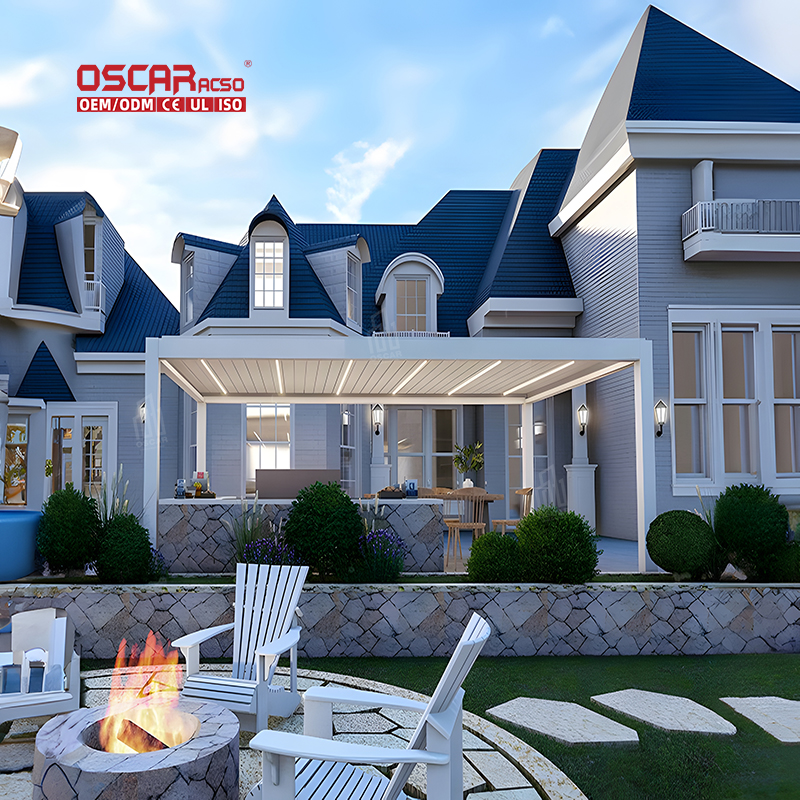
Bioclimatic louver systems represent the pinnacle of aluminium extrusion innovation. These adjustable roof systems allow precise control over sunlight and ventilation, often with motorized operation for seamless adjustment. The integration of hidden gutters within the profiles ensures efficient water drainage while maintaining clean aesthetics .I’m particularly impressed by systems that incorporate LED lighting channels directly into the extruded profiles. This thoughtful integration eliminates the need for external lighting fixtures and creates beautiful ambient lighting for evening enjoyment.The technological integrations continue to advance. We’re now seeing profiles designed with conduit channels for wiring smart sensors that automatically adjust louvers based on weather conditions—true bioclimatic adaptability that responds to environmental changes in real-time.
The beauty of extrusion technology lies in its flexibility. Manufacturers can produce profiles in:
• Various shapes: Square, rectangular, T-shaped, or custom geometries
• Multiple sizes: From delicate trim pieces to substantial load-bearing members
• Different finishes: Metallic, matte, wood-grain, or custom color matches
Wood grain aluminium profiles deserve special mention for their ability to replicate the warmth of timber without the maintenance. Through sublimation or film lamination processes, extruded aluminium can mimic oak, teak, walnut, and other popular wood species with remarkable authenticity .In my experience, the most successful projects leverage custom extrusion profiles specifically engineered for particular design visions. While this approach involves higher initial tooling costs, the result is a truly bespoke structure optimized for its specific application and aesthetic context.
Performance Under Pressure: Weather Resistance Metrics 🌦️
• Wind resistance up to 180-220 km/h when properly engineered
• Snow load capacity of 60-80 cm in robust systems
• Waterproof ratings of IP67 for integrated electrical components
• UV resistance that maintains color stability for 10-20 years
The secret lies in the alloy composition and tempering process. Properly manufactured profiles maintain dimensional stability across temperature extremes from freezing winters to scorching summers—a critical advantage over materials that expand, contract, or degrade under thermal cycling.
Installation Considerations for Optimal Results ⚙️
While aluminium profiles are relatively lightweight compared to steel, proper foundation support remains essential. The installation approach varies significantly based on whether the structure is freestanding or attached to a building, with each scenario requiring specific connection details.For complex systems—particularly those with motorized louvers or integrated lighting—I strongly recommend professional installation. The precision required for proper operation and weatherproofing justifies the investment in expert installation, ensuring optimal performance and longevity.The modular nature of many extruded aluminium systems does allow for simplified assembly compared to traditional construction methods. Many manufacturers design connection systems that facilitate straightforward installation while maintaining structural integrity.
Maintenance Realities: Surprisingly Minimal 🔧
One of the most compelling advantages I’ve observed is the minimal maintenance requirement. Unlike wood that needs regular staining or sealing, aluminium profiles typically require only occasional cleaning with mild soap and water to maintain their appearance.The long-term maintenance savings are substantial. With proper powder coating or anodizing, aluminium pergolas can go decades without significant upkeep beyond basic cleaning—a stark contrast to wood structures that may require refinishing every few years.
Cost Perspective: Value Beyond Initial Price 💰
While aluminium extrusion profiles often involve higher upfront costs than pressure-treated wood, the lifetime value proposition is compelling. When you factor in reduced maintenance, longer service life, and better durability, aluminium frequently proves more economical over the structure’s lifespan.The pricing spectrum reflects quality tiers. Economy-grade profiles might start around 2−3perkilogram,whilepremiumsystemswithcustomextrusionsandadvancedfinishescanreach3,000-3,500 per ton . The key is matching the profile specification to your specific performance requirements and budget.
Personal Insights: Where the Industry Is Heading 🔮
Having observed numerous installations and manufacturer innovations, I believe we’re moving toward increasingly integrated systems. The boundaries between pergolas, outdoor rooms, and smart home technology continue to blur as profiles evolve to incorporate more functions seamlessly.The aesthetic evolution has been particularly fascinating. Early aluminium pergolas often had an industrial appearance, but today’s wood-grain finishes and sophisticated profiles can replicate traditional looks while offering modern performance. This trend makes aluminium accessible to homeowners who want classic aesthetics without traditional material limitations.Perhaps the most exciting development is the growing accessibility of custom extrusion. As manufacturing capabilities expand, even small-scale projects can access custom profiles that were once prohibitively expensive. This democratization of design freedom is transforming what’s possible in residential outdoor spaces.The future likely holds even greater integration with smart home systems, photovoltaic elements, and responsive technologies that make pergolas not just passive structures but active contributors to home efficiency and comfort.


.jpg "aluminium extrusion profiles for pergola")

.jpg "aluminium extrusion profiles for pergola")