

🏡✨
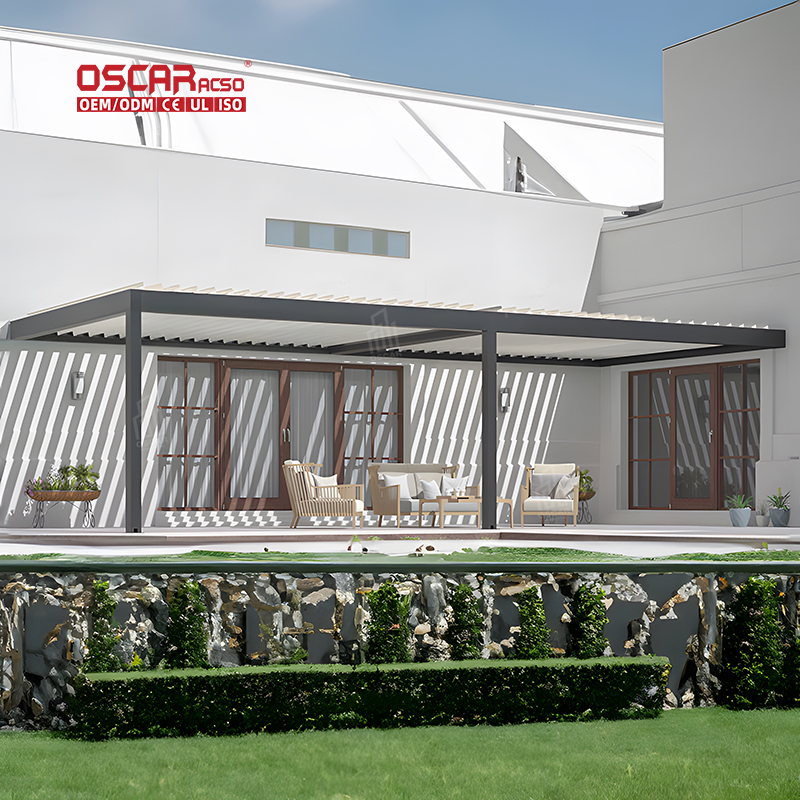
So you’re dreaming of a beautiful pergola in your backyard, but your ground isn’t perfectly flat? This is a common hurdle many homeowners face. A key question arises: Are pergola legs adjustable? The exciting answer is yes, many modern pergola systems offer innovative solutions for adjustment and leveling. While traditional fixed-leg pergolas require precise ground leveling, a variety of adjustable bases, brackets, and clever design features can conquer uneven terrain, making your pergola dream entirely achievable. Let’s explore how you can achieve a stable and stunning structure, no matter what’s underneath.
Why Adjustable Legs Are a Game-Changer 🏆
First, why is adjustability so important? Unless your installation site is perfectly level (which is rare), adjustable legs or base systems are crucial for ensuring structural integrity, safety, and aesthetics. A unlevel pergola can lead to:
• Structural Stress: Uneven weight distribution can warp frames and weaken joints over time.
• Wobbling and Instability: This is both unsafe and unpleasant, especially on windy days.
• Water Drainage Issues: A slanted roof might cause water to pool in unwanted areas, leading to potential damage or leaks.
• Visual Imperfection: It just won’t look right, and that sagging corner will always catch your eye.
Thankfully, manufacturers have developed several ways to tackle this challenge head-on.
Types of Adjustable Pergola Leg Solutions 🔧
There isn’t a one-size-fits-all answer. The “adjustability” can come from the leg itself or from the base that connects the leg to the ground.
• Adjustable Metal Base Plates: These are a very common and effective solution. A prime example is a hot-dip galvanized steel base that features a threaded screw adjustment. This allows you to finely tune the post’s height from the ground to achieve perfect leveling before final securing. These are renowned for being maintenance-free and weather-resistant, lasting for years .
• Post Anchors with Height Adjustment: Some supports are designed specifically for connecting wooden posts to concrete. They often include a threaded mechanism that lets you adjust the preferred height yourself and regulate the post’s distance from the ground. This is incredibly useful for creating decks or compensating for slight slopes .
• Adjustable Saddle Brackets: Products like a horizontal rotatable 180-degree adjustable saddle pergola bracket offer flexibility in aligning and leveling beams on top of posts, which can indirectly help address minor leg height discrepancies and ensure a level roof .
• Weighted Base Options (For Non-Permanent Setups): While not “adjustable” in a screw-like fashion, heavy-duty PVC vinyl or polyethylene weight bags filled with sand or water provide a stable base and can be stacked or arranged to compensate for very minor unevenness. They are a popular, non-invasive solution for temporary or rental properties .
Key Features to Look For in Adjustable Systems 🔍
When selecting a pergola or an adjustable base kit, keep an eye out for these important features:
• Material Durability: The adjustment mechanism should be as robust as the pergola itself. Look for powder-coated or hot-dip galvanized steel to ensure resistance to rust, corrosion, and weathering, which is crucial for long-term performance outdoors .
• Ease of Installation: The best solutions are user-friendly. Many modern adjustable bases are designed for easy DIY installation, often requiring basic tools. Some even come with clear, numbered parts and instructions, making the process smoother .
• Load Capacity and Stability: Always check the weight rating of both the pergola and the adjustable base. The system must be capable of supporting the structure safely, especially in areas with high winds or potential snow load.
• Range of Adjustment: Consider how much adjustment you’ll likely need. Different systems offer varying degrees of height adjustment, so ensure the product you choose can accommodate the specific slope of your terrain.
Step-by-Step: Leveling a Pergola with Adjustable Legs 📐
While the exact process depends on your specific hardware, the general approach is logical and manageable.
- 1.
Site Preparation: Start with a well-prepared base. While adjustable legs help, a relatively level gravel or concrete pad makes the process much easier and provides a more stable foundation.
- 2.
Dry Assembly and Positioning: Assemble the pergola frame (or sections of it) without fully tightening all bolts. Position it roughly in its final location.
- 3.
Initial Leveling: Use a long spirit level across the main beams. Identify the high and low corners.
- 4.
Making Adjustments: This is where the adjustable bases shine. For screw-type systems, turn the adjustment mechanism on the base plates to raise or lower each corner until the entire structure is perfectly level. This might require a few iterations, checking from multiple directions.
- 5.
Final Securing: Once perfectly level, tighten all locking nuts or mechanisms on the adjustable bases to secure the height setting. Then, fully tighten all frame bolts to lock in the structure’s geometry.
- 6.
Anchoring to the Ground: Finally, according to the base’s design, anchor it to the ground. This could involve driving anchors into concrete, securing it to a deck, or staking it into the earth.
Pro Tip: Don’t work alone. Having a helper to hold parts and check levels from the other side will save you time and frustration.
My Personal Take on Pergola Leveling
In my opinion, investing in a pergola with a built-in adjustable leg system or purchasing high-quality aftermarket adjustable bases is a non-negotiable for most DIY installations. The peace of mind and professional-looking result are worth the slightly higher upfront cost or effort.
• For permanent installations on concrete patios, galvanized steel adjustable base plates are the undisputed champion. They offer precision, incredible strength, and permanence.
• If you’re on a deck or want less permanent footing, exploring heavy-duty adjustable post anchors designed for wood-to-wood or wood-to-deck connections is a fantastic route.
• For those with hardscape like pavers or stone, a combination of a properly prepared base and adjustable brackets can seamlessly integrate the structure into your existing landscape.
Remember, the goal is to create a stable and enjoyable outdoor room. Taking the time to get the foundation perfectly level with the right adjustable hardware ensures your pergola will be a source of joy for years to come, not a wobbly headache.