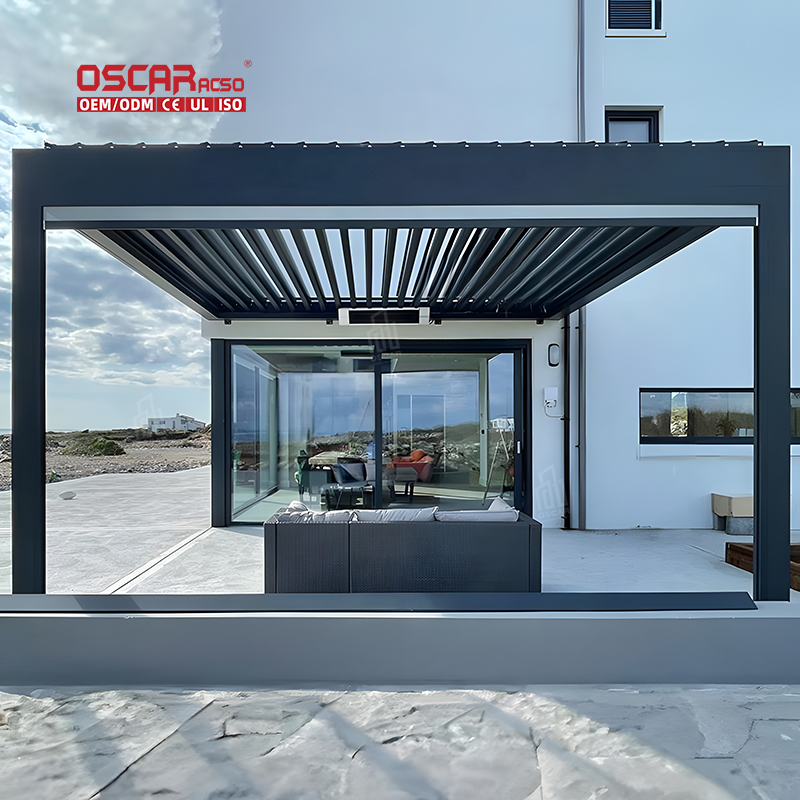
Imagine pulling into your driveway where your car is sheltered under a structure that blends the elegance of a garden pergola with the practicality of a carport—welcome to the world of carport pergolas! 🌟 These innovative hybrids are revolutionizing outdoor spaces by offering aesthetic appeal and functional vehicle protection in one sleek package. Unlike traditional garages, they provide an open, airy feel while shielding your vehicle from sun, rain, and debris. But what exactly makes them a must-have for modern homeowners? Let’s dive in.
🌞 Why Choose a Carport Pergola? Beyond Basic Parking
At its core, a carport pergola is designed to enhance curb appeal while delivering multi-purpose utility. Why settle for a plain metal shed when you can have a structure that doubles as an outdoor entertainment zone? For instance, during gatherings, the shaded space under the pergola can serve as a cozy seating area—simply add string lights and patio furniture.Key benefits include:
• Vehicle protection: Shields cars from UV rays, rain, and hail, reducing interior heat buildup and paint damage .
• Cost-effectiveness: Typically cheaper than enclosed garages, with prices ranging from 1,200forbasickitsto15,000 for custom designs .
• Quick installation: Many models come as DIY kits, requiring minimal foundation work compared to traditional builds .
• Eco-friendly options: Some designs integrate solar panels to power LED lights or even charge EVs sustainably .
From a personal perspective, I’ve noticed that homes with well-designed carport pergolas often see a boost in property value—buyers appreciate the added functionality and visual charm.
🏗️ Design Innovations: From Minimalist to Bioclimatic
Gone are the days of boxy carports! Modern pergola carports feature adjustable louvered roofs that let you control sunlight and ventilation with a remote. For example, fully closed louvers can withstand rain, while angled slats promote airflow during summer . Popular designs include:
• Cantilever styles: With fewer posts, they maximize space and offer a sleek, modern look .
• Green roof integrations: Climbing plants like jasmine create a natural canopy, boosting biodiversity .
• Smart tech: Motorized roofs with rain sensors that auto-close during storms .
Worried about durability? High-quality aluminum frames can resist winds up to 144 km/h and snow loads of 60-80 cm, thanks to reinforced pillars and concealed drainage systems .
🔩 Material Matters: Aluminum vs. Wood vs. Polycarbonate
The longevity of your carport pergola hinges on material choice. While wood offers a classic vibe, it requires regular staining to prevent rot. In contrast, powder-coated aluminum is rust-proof and lasts over 25 years with minimal care—just an annual rinse .Comparison highlights:
• Aluminum: Lightweight, recyclable, and ideal for humid climates. Costs 20–30 per square meter .
• Wood: Warm and natural but needs yearly maintenance. Pressure-treated timber can last decades if cared for .
• Polycarbonate roofing: Provides UV protection while allowing diffused light. Paired with aluminum frames, it’s a budget-friendly combo .
In my opinion, aluminum is the winner for busy homeowners—it’s a set-and-forget solution that aligns with sustainable living.
⚡ Installation Insights: DIY or Pro?
Thinking of self-installation? While DIY kits cost 700–4,000 and are designed for easy assembly, complex designs—like cantilever or motorized models—should be handled by professionals to ensure stability and compliance with local codes . Critical steps include:
• Checking permits: Many regions require approvals for structures over 10 square meters .
• Site preparation: A level concrete base is essential; grass or soil can lead to shifting .
• Safety checks: Professionals assess wind loads and grounding, especially for solar-powered units .
A little-known tip? Leave louvers slightly ajar when unused to prevent debris accumulation and prolong mechanism life .
💡 The Future Is Adaptive: Why This Trend Is Growing
Carport pergolas are evolving into smart outdoor hubs. Recent models feature built-in LED lighting, speakers, and even Wi-Fi extenders, transforming parking areas into immersive spaces. Industry data suggests a rise in demand for bioclimatic designs that adapt to weather changes—like self-regulating louvers that optimize shade based on sun angle .From a sustainability angle, I believe integrated solar panels will become standard, turning passive structures into energy generators. With climate concerns mounting, these designs offer a pragmatic yet beautiful way to reduce our carbon footprint.


.jpg "carports for car parking pergola")