So, what is this material that’s changing outdoor spaces? Composite pergola material, often called WPC (Wood Plastic Composite), is an engineered blend of recycled wood fibers and plastic polymers. Think of it as a superhero team-up: the natural look of wood joins forces with the durability of plastic. Typically, the recipe includes about 55-60% wood fibers (like bamboo or treated wood), 30-35% recycled plastic (often HDPE), and a small percentage of additives for UV resistance and stability . This combination creates a product that looks and feels like wood but is engineered to overcome wood’s weaknesses. It’s a win-win for your patio and the planet!
💪 Why Choose Composite? The Unbeatable Advantages
Why are homeowners and designers making the switch? The benefits are simply too compelling to ignore.
• 🌟 Extremely Low Maintenance: Bid farewell to annual sanding, staining, and sealing! Unlike traditional wood that demands constant care, composite pergolas only need an occasional rinse with soap and water to look fantastic. This is arguably its biggest selling point, saving you countless hours and dollars over the years .
• 🌟 Exceptional Durability & Longevity: How long can you expect it to last? These pergolas are warriors against the elements. They are highly resistant to rot, decay, warping, and splintering. Plus, they boast built-in UV resistance to prevent fading and are impervious to insects like termites. With a lifespan of 25-30 years or more, it’s a long-term investment that pays off .
• 🌟 Eco-Friendly Champion: For the environmentally conscious, composite is a clear choice. It gives a second life to recycled plastic and wood waste, reducing the demand for virgin timber and diverting material from landfills. Choosing composite means you’re building a beautiful space with a smaller environmental footprint .
🎨 Exploring Styles and Design Flexibility
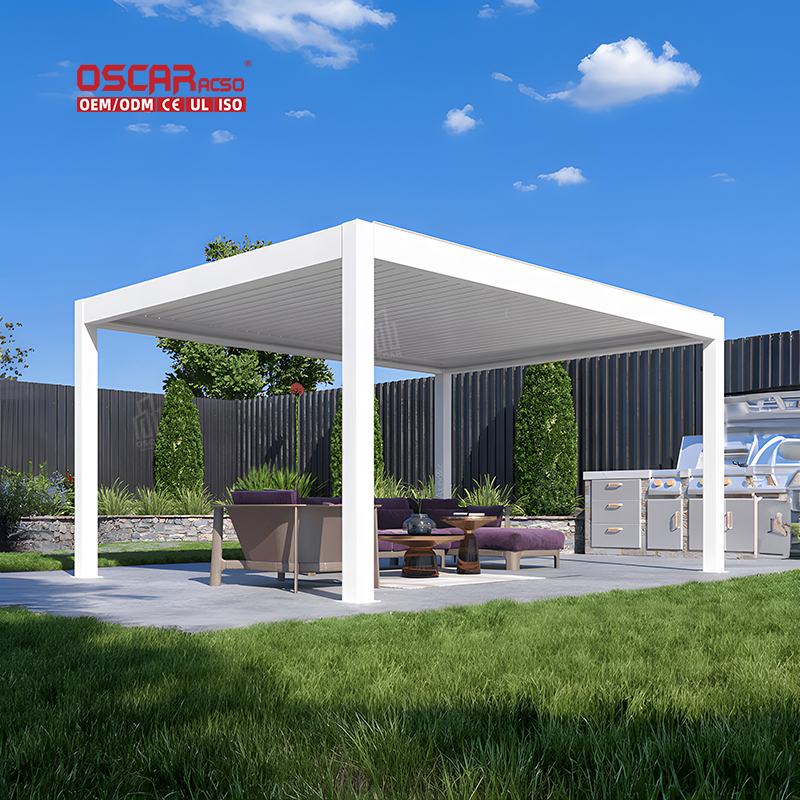
Gone are the days of limited options. Composite pergolas offer a surprising range of designs to match any architectural style.You’ll commonly find three main types:
• Fascia Pergolas: Use planks with gaps between them to create a defined shade pattern, allowing dappled sunlight to filter through .
• Weaved Pergolas: Feature planks woven together for a more solid roof that provides greater shade and a unique, eye-catching aesthetic .
• Beamed Pergolas: Focus more on visual elegance than shade, adding structural beauty and a sense of grandeur to a space .
The best part? They come in a variety of colors—from classic Teak and Dark Ash to modern Grey—all mimicking the richness of natural wood without the upkeep . My personal favorite is the weaved design for its perfect balance of style and function.
🛠️ Installation and Upkeep: A Breeze or a Challenge?
A common question is, “Can I install it myself?” While DIY-savvy individuals might manage it, professional installation is highly recommended for optimal results, especially for complex designs or motorized features. Proper installation ensures the structure’s integrity and that integrated drainage systems work correctly .As for maintenance, it’s refreshingly simple. Just follow these steps:
1. Regular Cleaning: Twice a year, wash with mild soap and water.
2. Avoid Harsh Chemicals: Steer clear of abrasive cleaners to protect the surface.
3. Prompt Stain Removal: Wipe up spills quickly to prevent potential staining .
This low-maintenance lifestyle truly lets you spend more time enjoying your oasis rather than working on it.
⚖️ Composite vs. Traditional Materials: A Quick Showdown
How does it stack up against the classics? Let’s break it down:
• vs. Wood: Wood has a timeless charm but requires constant maintenance and is susceptible to rot and insects. Composite wins hands-down on durability and ease of care .
• vs. Aluminum: Aluminum is lightweight and rust-proof but can feel industrial and may retain more heat. Composite offers a warmer, more natural aesthetic that many find more inviting for a residential setting .
The initial cost of composite may be higher than some wood, but its incredible longevity and near-zero maintenance make it the more cost-effective choice over time .
🔮 The Future is Smart and Sustainable
Looking ahead, the innovation in composite materials is thrilling. We’re moving towards even smarter integrations, like built-in rain sensors that can trigger automatic louver adjustments. Furthermore, the industry is pushing for higher recycled content and exploring ways to incorporate solar panels directly into pergola structures, transforming them from passive shade providers into active, energy-generating assets for your home. This evolution towards a truly sustainable and intelligent outdoor living space is what excites me most about the future of composite pergolas.


.jpg "composite pergola material")
.jpg "composite pergola material")
.jpg "composite pergola material")