

🌟 Why Choose a Sloped Roof for Your Pergola?
.jpg "custom made slopped roof for pergola")
Ever wondered how to make your pergola both stylish and highly functional? A custom sloped roof might be the game-changer you’re looking for! Unlike traditional flat-top pergolas, a sloped design doesn’t just add architectural interest—it actively manages rainwater, sheds snow, and can even create a more dynamic outdoor living space. From my experience, this design is particularly brilliant for homes in regions with heavy rainfall or seasonal snow, as the slope provides natural drainage that protects the structure and the area beneath it. What exactly makes it so special? Let’s explore!
📐 Key Design Considerations for Slope and Angle
The angle of your sloped roof isn’t just about looks; it’s a critical functional decision. The ideal slope depends heavily on your local climate. For areas with high rainfall, a steeper pitch between 15 to 30 degrees is advisable to ensure water runs off quickly and efficiently. In snowy regions, a similar or even steeper angle helps prevent heavy snow accumulation, which could otherwise strain the structure. But how do you balance aesthetics and function? I always recommend consulting local building codes first, as they often have specific requirements. A well-calculated slope harmonizes with your home’s existing roofline, creating a cohesive and intentional look for your entire property.
🏗️ Material Choices for Durability and Style
Selecting the right materials is paramount for a long-lasting and beautiful sloped roof pergola. Popular options include:
• Wood: Offers a classic, natural look but requires regular maintenance like sealing to withstand the elements.
• Metal: Metal roofing panels are excellent for durability and efficient water runoff, available in modern finishes like galvanized steel or aluminum.
.jpg "custom made slopped roof for pergola")
• Polycarbonate: This material provides excellent light transmission for a sunroom-like feel while being lightweight and impact-resistant.
.jpg "custom made slopped roof for pergola")
In my projects, I’ve seen a trend towards combining materials—for instance, using a metal roof on a wooden pergola frame for a blend of traditional warmth and modern performance. The key is to choose materials that not only match your home’s style but are also suited to the specific pitch of your roof.
💡 Blending Form and Function: The Practical Benefits
A custom sloped roof goes beyond mere weather protection. One of its greatest advantages is the potential for water collection. By directing rainwater to one side, you can easily install a gutter system to channel water into a rain barrel for garden use—a fantastic eco-friendly feature! Furthermore, the slope can be oriented to provide optimal shade throughout the day or even to allow for the future installation of solar panels. I believe this multifunctional approach is what makes a custom sloped pergola a smart investment. It’s not just an ornament; it’s an actively working part of your home’s ecosystem.
🎨 Personalizing Your Sloped Roof Pergola
.jpg "custom made slopped roof for pergola")
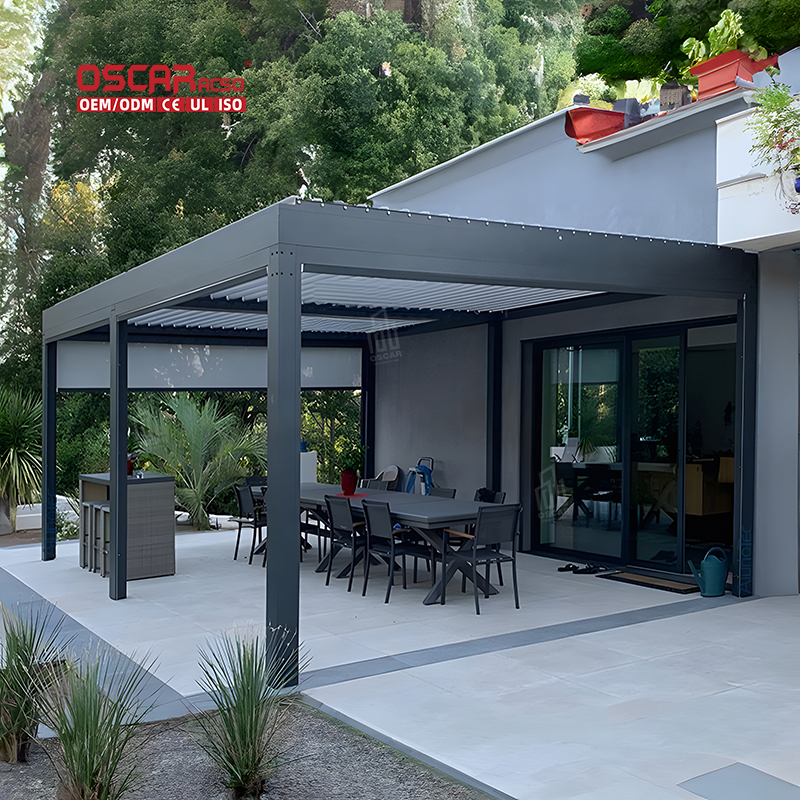
This is where your creativity shines! A custom build allows you to tailor every aspect. Consider adding skylights or translucent panels to brighten the space without sacrificing shelter. You can play with the pitch to create a dramatic, high-angled ceiling that feels more like an outdoor room. For a truly unique touch, integrate lighting or speakers into the rafters. From a design perspective, I encourage homeowners to view the pergola as an extension of their indoor living space. Choosing a color or material that complements your home’s exterior will create a seamless flow and significantly boost curb appeal.
🔮 Future-Forward Trends: Beyond the Basics
The evolution of outdoor structures is leaning heavily towards sustainability and technology integration. We’re seeing more sloped roof pergolas designed with integrated solar tiles for off-grid power and green roofing systems where part of the slope supports drought-resistant plants. These innovations not only reduce your environmental footprint but also create a truly unique backyard sanctuary. My take? The future of pergolas is intelligent and adaptive. As smart home technology becomes more prevalent, we can expect sloped pergolas with automated louvered roofs or built-in weather sensors to become the new standard for personalized comfort.