

What Makes a Custom Pergola Different from a Pre-Built One? 🤷♂️
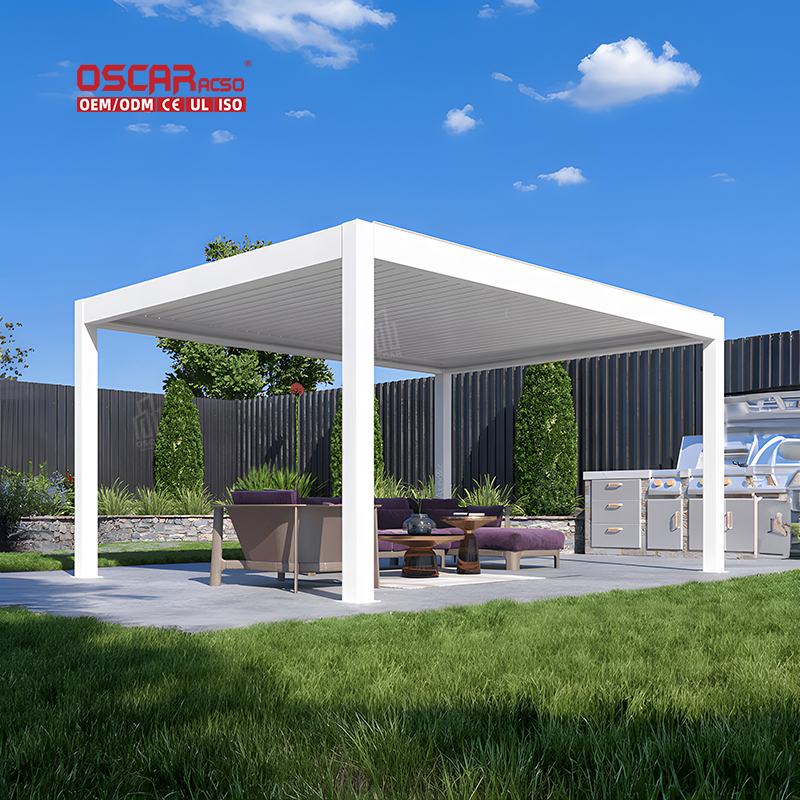
You may ask: “Why bother with a custom pergola when pre-built options are cheaper and faster to set up?” The answer is simple—fit and personality. Pre-built pergolas come in fixed sizes and styles, which often means they’ll either be too big for your small patio or too plain to complement your home’s architecture. A custom one, though, is tailored to your space: it can follow the curve of your deck, match your house’s siding color, or even include unique details like built-in planters. From my experience, this level of personalization turns a “generic outdoor structure” into a true extension of your home.
Key Things to Consider When Designing Your Custom Pergola 📝
Not sure where to start with the design? Let’s break down the non-negotiables to avoid mistakes:
- Space & Purpose: First, ask yourself: “Will this pergola be for dining, lounging, or covering a hot tub?” A dining-focused pergola needs to fit a table and chairs with extra room to move, while a lounging one might need wider beams for hanging swings.
- Material Choice: Wood (like cedar or redwood) adds warmth but needs annual maintenance; aluminum is low-effort but has a modern look; vinyl is budget-friendly and resistant to rot. Pick one that aligns with your lifestyle—don’t just go with what’s trendy!
- Style Sync: Does your home have a modern, farmhouse, or Mediterranean vibe? A custom pergola should blend in, not stick out. For example, a farmhouse home pairs well with a pergola with thick, rustic wooden beams, while a modern home suits slim aluminum frames.
How to Work with a Builder (and Avoid Headaches) 🛠️
Worried about miscommunication with your builder? Here’s how to keep the process smooth:
- Bring Visuals: Show them photos of pergolas you love, or even paint swatches of your home—visuals prevent “misunderstandings” about style.
- Talk Budget Early: Be clear about how much you want to spend. A good builder will suggest tweaks (like swapping rare wood for cedar) to stay within budget, instead of surprising you with extra costs later.
- Ask About Timeline: Custom projects take longer than pre-built ones, but you should still get a clear timeline (e.g., “2 weeks to design, 3 weeks to build”). Follow up once a week to stay in the loop—this keeps the project on track.
In my view, choosing a builder who listens more than they talk is key. You want someone who prioritizes your vision, not their “go-to” design.
The Long-Term Value of a Custom Pergola 💰
You might wonder: “Is a custom pergola worth the extra cost?” Let’s look at the numbers. A well-designed custom pergola can boost your home’s resale value by 3–5%, according to home improvement experts—more than a pre-built one, which often doesn’t add much value because it feels “generic.” Plus, it’s a space you’ll use every day: I’ve had clients tell me their custom pergola turned their unused backyard into a favorite spot for family dinners or weekend brunches.
Unlike pre-built structures that you’ll likely replace in 5–7 years, a custom pergola (built with quality materials) can last 15–20 years. It’s not just an expense—it’s an investment in making your home feel more complete, and in creating memories that happen outdoors.
.jpg "custom pergola")
.jpg "custom pergola")
.jpg "custom pergola")