

Imagine an outdoor structure that does more than just provide shade—it serves as a stunning architectural extension of your home, reflecting your personal style and transforming your backyard into a curated living space. This is the power of a designer pergola. It’s not merely a functional addition; it’s a statement piece that blends art, architecture, and nature to create a truly personalized oasis.

✨ What is a Designer Pergola?
A designer pergola transcends the basic concept of a standard pergola. While traditional structures focus primarily on providing partial shade and support for climbing plants, a designer pergola emphasizes aesthetic integration, custom materials, and tailored functionality. It involves thoughtful consideration of how the structure complements your home’s architecture, meets your specific lifestyle needs, and creates a desired ambiance in your outdoor space.
The key differentiator is intentional design. Every element, from the beam spacing and post proportions to the choice of hardware and integrated features, is selected to achieve a specific look and feel, making it a true extension of your living area.
.jpg "designer pergola")
🏡 Why Invest in a Designer Pergola?
The decision to install a designer pergola is an investment in your property and your quality of life. The benefits are substantial:
- •
Elevated Property Value: A well-designed and constructed pergola is a significant home improvement. Industry insights suggest that quality outdoor living improvements can recoup up to 70% of their cost in added home value, making it a financially savvy project.
- •
Unmatched Aesthetic Appeal: This is the core of a designer pergola. It acts as a focal point in your landscape, adding depth, character, and architectural interest that elevates your entire property’s curb appeal.
- •
Tailored Functionality: Your outdoor time should be comfortable. Designer pergolas can be equipped with retractable canopies, adjustable louvers, integrated lighting, and even outdoor kitchen setupsor weatherproofing systemsto create a perfect space for dining, relaxing, or entertaining, rain or shine.
- •
Seamless Indoor-Outdoor Flow: A professionally designed pergola creates a graceful transition from your interior to your exterior, effectively extending your living space and encouraging you to enjoy the outdoors in comfort.
🎨 Exploring Designer Pergola Styles
From timeless classics to cutting-edge contemporary, the style of your pergola sets the tone for your entire outdoor area.
Modern Minimalist
Characterized by clean lines, sleek materials like powder-coated aluminum or steel, and often featuring flat or gently curved roofs. The minimalist design focuses on form and function, creating a sophisticated and uncluttered look perfect for urban homes.
Classic & Timeless
Drawing inspiration from traditional architecture, these pergolas often feature detailed woodwork, classic columns, and a warm, inviting presence. Woods like cedar or redwood are popular choices, often left to develop a natural patina or stained to enhance their grain.
Industrial Chic
This bold style incorporates materials like black steel, concrete, and large-scale fixtures. It’s an edgy and robust look that makes a dramatic statement, often playing with raw textures and structural elements.
Bioclimatic & Smart
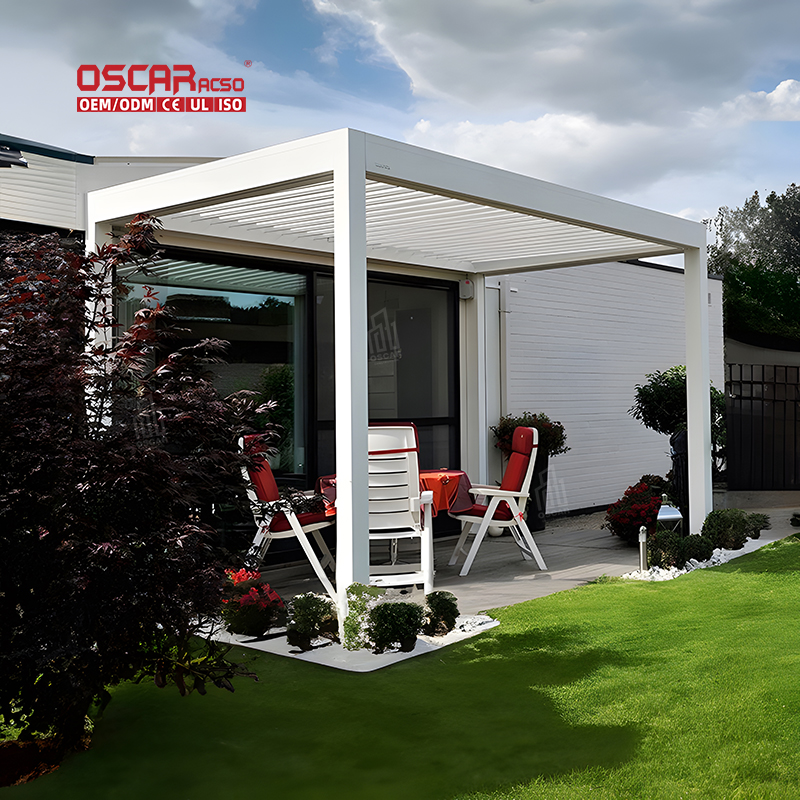
The pinnacle of modern design, these pergolas feature motorized, adjustable louvers that allow you to control sunlight, ventilation, and rain protection with the touch of a button. Many come with integrated LED lighting and automated systems, offering ultimate comfort and a high-tech experience.
📐 Choosing Materials: Beauty and Brawn
The material you choose defines the pergola’s character, durability, and maintenance needs.
- •
Wood (Cedar, Redwood): Offers natural warmth and beauty. It’s versatile for staining or painting but requires regular maintenance like sealing to protect against the elements.
- •
Aluminum: A top choice for modern designs. It is lightweight, rust-proof, and incredibly low-maintenance. The powder-coated finish allows for any color, ensuring a perfect match for your home.
- •
Vinyl/Composite: Provides the look of wood without the constant upkeep. It’s durable, resistant to rot and insects, and only needs occasional cleaning, though it may lack wood’s structural strength and natural feel.
- •
Steel: Offers exceptional strength for large spans and bold designs. It requires a protective coating to prevent rust but is unmatched for creating sturdy, industrial-style structures.


💡 Inspiring Designer Features & Customizations
This is where a pergola truly becomes yours. Consider these elements to personalize your space:
- •
Dynamic Shading: Retractable fabric canopiesor motorized louvered roofsgive you complete command over sun and shade.
- •
Ambient Lighting: Integrate recessed LED spotlights into the beams or drape festive string lights to create magic and extend usability into the evening.
- •
Integrated Greenery: Design your structure to support climbing plants like wisteria or jasmine. This merges architecture with nature, creating a living, fragrant canopy.
- •
Architectural Details: Don’t overlook the hardware. Decorative brackets, end cuts on beams, and custom post caps can add a significant level of detail and refinement.
- •
Functional Add-Ons: For the ultimate experience, incorporate outdoor heaters, ceiling fans, privacy screens, or even sound systems to make the space comfortable in every season.
🛠️ The Design Process: From Concept to Creation
Embarking on a designer pergola project involves key steps:
- 1.
Vision & Inspiration: Gather ideas from platforms like Pinterest or design magazines. Note what styles, colors, and features resonate with you.
- 2.
Professional Consultation: While DIY kits exist, working with a designer or specialized company is crucial for custom structures. They can ensure the design is structurally sound, meets local codes, and is perfectly tailored to your space.
- 3.
Material Selection: Choose materials that align with your desired aesthetic, climate, and maintenance tolerance. This is a balance between beauty, budget, and practicality.
- 4.
Finalizing Plans & Installation: Review detailed drawings and 3D renderings if available. Professional installation is recommended for complex designs, especially those involving electrical components for lighting or motorized systems.
My personal view is that the most successful designer pergolas are those that feel inevitable—as if they were always meant to be a part of the home’s landscape. It’s not about choosing the most expensive materials, but about selecting the right elements that tell your story and create a space where you love to spend time.
🔧 Maintenance for Long-Term Beauty
Protecting your investment ensures it remains beautiful for years to come.
.jpg "designer pergola")
- •
Wood: Requires the most upkeep. Plan on cleaning and reapplying a protective sealant every 2-3 years to prevent weathering, rot, and insect damage.
- •
Aluminum/Vinyl/Steel: These materials are incredibly low-maintenance. Typically, a simple wash with soapy water once or twice a year is all that’s needed to keep them looking new. Inspect steel for any chips in the finish that could lead to rust.
- •
All Types: Regardless of material, perform seasonal checks. Tighten any loose hardware, clear debris from the roof, and trim back any climbing plants that may be getting overgrown.
A lesser-known data point: High-end aluminum pergolas with powder-coated finishes can often come with extensive warranties—sometimes up to 10 years on the finish and structure—highlighting their incredible durability and making them a wise long-term choice.