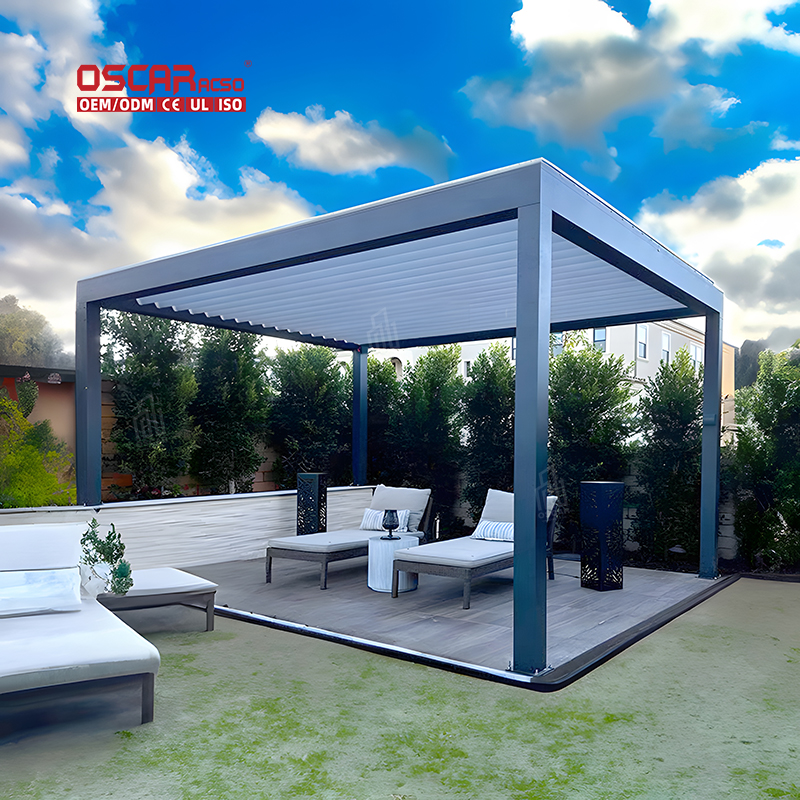
Ever walked past a home with a two-level pergola and thought, “How do they make that work?” A double-story pergola isn’t just a fancy structure—it’s a smart way to maximize outdoor living, whether you have a small backyard or a sprawling patio. Let’s break down why it’s worth considering, how to design it, and common questions people ask.
1. What Exactly Is a Double-Story Pergola? 🪑
First, let’s clarify: a double-story pergola (or two-tier pergola) has two distinct levels of open-air frameworks, stacked vertically. Unlike a single pergola that only covers one area, this design adds a second “floor” of overhead structure—often for different uses. For example, the lower level might shade a dining set, while the upper level covers a rooftop lounge or a second-floor balcony.Why go double? It solves a big problem for homeowners who want shade in multiple spots but don’t want to build two separate pergolas. It’s space-efficient and adds visual depth to your outdoor area—something a single structure rarely achieves.
2. Key Benefits of a Double-Story Design 🌟
Is a two-tier pergola right for you? Here are the top perks I’ve noticed from working with outdoor designers:
- Maximized Shade Without Wasting Space: The lower level blocks direct sun for ground-level activities (like grilling or playing games), while the upper level shields second-floor areas (such as a balcony or deck). No need to sacrifice yard space for two structures.
- Boosts Curb Appeal & Property Value: A well-built double-story pergola stands out—neighbors will notice, and potential buyers (if you ever sell) will see it as a premium feature. It’s a small investment that makes your home feel more luxurious.
- Flexible Use for Every Need: Want a quiet reading nook on the upper level and a family dining spot below? Easy. The two tiers let you split your outdoor space into “zones” without building walls.Wait, does it feel too tall? Not if you match the pergola’s height to your home. For example, a two-story house pairs perfectly with a double-story pergola—no awkward “too-big” look.
3. Design Tips to Get It Right 🎨
Building a double-story pergola isn’t just about stacking wood—it’s about balance. Here’s what I recommend:
- Choose the Right Materials: Opt for weather-resistant wood (like cedar or redwood) or low-maintenance aluminum. The upper tier will be exposed to more wind and rain, so durability matters—you don’t want to replace boards every year.
- Keep It Open (But Not Too Open): The beauty of a pergola is its open framework, but the upper tier should have slightly closer slats than the lower one. Why? It adds more shade to the level below without making the upper tier feel cramped.
- Add Lighting for Evening Use: String lights on the lower tier and small LED spotlights on the upper tier turn your pergola into a nighttime gathering spot. I’ve seen this transform a boring backyard into a space where friends linger for hours.
- Match Your Home’s Style: If your house is modern, go for clean, straight lines in the pergola. If it’s cottage-style, add curved edges or decorative brackets. Mismatched styles make the pergola feel like an afterthought—not a intentional part of your home.
4. Common Myths to Ignore ❌
I’ve heard a lot of misconceptions about double-story pergolas—let’s set the record straight:
- Myth 1: It’s Too Expensive: Yes, it costs more than a single pergola, but it’s cheaper than building two separate ones. Plus, the added property value often offsets the cost.
- Myth 2: It’s Hard to Maintain: Not true! If you use durable materials, maintenance is simple—just power-wash once a year and seal the wood every 2-3 years. The upper tier is easy to reach with a long-handled brush.
- Myth 3: It Only Works for Big Yards: Small yards benefit most! A double-story pergola lets you use vertical space instead of horizontal—perfect if you have a tiny patio but still want shade for dining and relaxing.
Final Thoughts: Is a Double-Story Pergola Worth It?
From what I’ve seen, absolutely—if you want to make the most of your outdoor space. It’s not just a structure; it’s a way to create memories: morning coffee on the upper tier, summer dinners below, and evening chats under the lights.One last data point: A 2023 survey by the National Association of the Remodeling Industry found that outdoor living upgrades (like pergolas) recoup 65-70% of their cost when selling a home. A double-story design? It might recoup even more, since it’s a unique feature that stands out to buyers.