

.jpg "can pergola be freestanding")
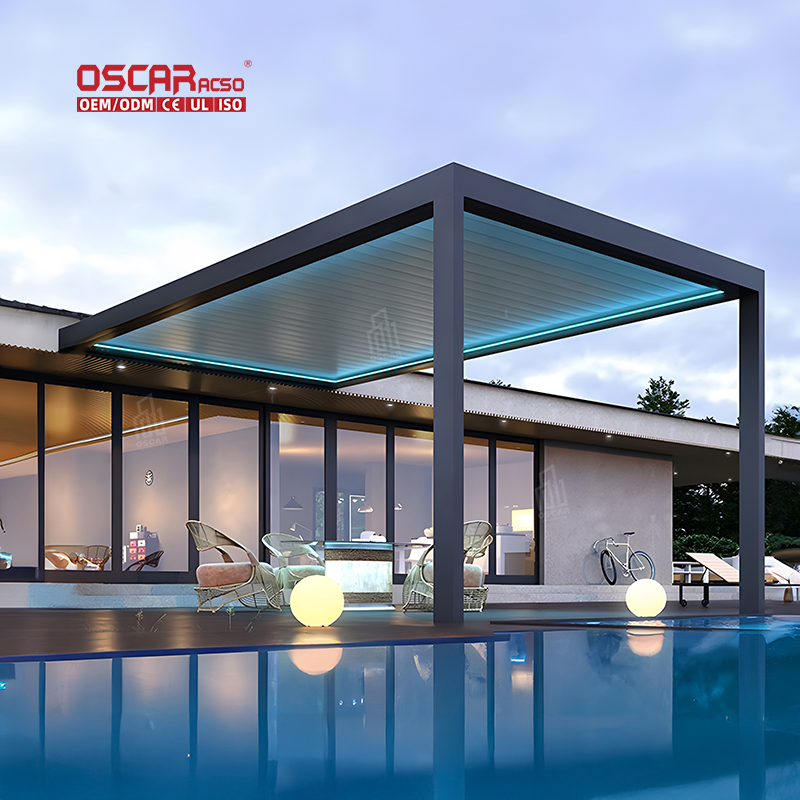
Dreaming of a shaded retreat in your garden but unsure about attaching it to your house? Let’s answer the burning question: Can a pergola be freestanding? The answer is a resounding YES! 🎉 Freestanding pergolas are not only possible but also incredibly popular for their versatility and design freedom. These standalone structures can transform any corner of your yard into a stylish outdoor living room, perfect for relaxing, dining, or entertaining without the need for existing structural support.
What Exactly is a Freestanding Pergola? 🌿
A freestanding pergola is a self-supported outdoor structure consisting of vertical posts that hold up an open-beam roof. Unlike its attached counterpart, it doesn’t rely on or connect to your home or any other building. This independence means you can place it virtually anywhere on your property—nestled among garden beds, beside a pool, or even as a stunning focal point in the center of your lawn. Its primary function is to create a defined, partially shaded area that encourages relaxation and enjoyment of your outdoor space.
The Undenied Advantages of Choosing a Freestanding Design 🏆
Why opt for a freestanding pergola? The benefits are compelling:
- •
Ultimate Placement Flexibility: The biggest advantage is the freedom to choose your ideal location. Place it to capture the best views, follow the sun’s path for optimal light, or create a private nook away from the main house.
- •
No Structural Impact on Your Home: Since it doesn’t connect to your house, you don’t have to worry about affecting your home’s structure, drainage, or roofing. This often simplifies the planning process and can alleviate potential concerns.
- •
Design Versatility: Freestanding pergolas can be designed to match any aesthetic, from classic rustic wood to sleek modern aluminum. They can become a true garden destination, defining a specific area for activities like dining, lounging, or spa time.

- •
Potential for Relocation: Depending on its foundation, some freestanding pergolas can even be disassembled and moved to a new spot in the yard if you decide to redesign your landscape.

Foundation First: The Key to Stability and Longevity ⚒️
A proper foundation is non-negotiable for a sturdy, safe, and durable freestanding pergola. The structure must be securely anchored to resist wind loads and prevent shifting or sinking over time.
Common foundation options include:
- •
Concrete Footings: The gold standard. Posts are set into concrete poured into holes dug below the frost line to prevent frost heave. This is essential for permanent stability.
- •
Ground Anchors or Base Plates: Can be used for less permanent installations or on solid surfaces like concrete patios, but must be appropriately weighted or secured.
- •
Pavers or Concrete Slab: Building the pergola over a level, solid surface like a pre-existing patio or a new slab provides excellent stability and a clean finished look.
Always check local building codes to see if a permit is required and to understand specific foundation depth requirements for your area.
Material Matters: Choosing the Right Frame for Your Lifestyle 🪵
The material you choose will define your pergola’s look, maintenance needs, and lifespan. Each has its own charm and practical considerations:
- •
Wood (Cedar, Redwood, Pressure-Treated Pine): Offers a classic, natural look that blends beautifully with gardens. However, it requires regular maintenance like staining or sealing every few years to prevent rot, warping, and insect damage.
- •
Aluminum: A top choice for a low-maintenance, modern option. High-quality powder-coated aluminum is rust-resistant, incredibly durable, and won’t warp or crack. It’s also lightweight yet strong, often supporting features like motorized louvers.
- •
Vinyl: Extremely low-maintenance and resistant to the elements, but may not have the same structural strength or aesthetic appeal as wood or metal for some homeowners.
- •
Steel: Provides exceptional strength and a very modern industrial vibe, but must be properly treated to prevent rust.
- •
Composite: Blends wood fibers with plastic for a wood-like appearance without the high maintenance, as it doesn’t rot, warp, or fade.
Designing Your Dream: From Simple Shade to an Outdoor Room 🏡
A freestanding pergola is a blank canvas. Your design choices will determine how you use and enjoy the space.
- •
Size and Scale: A common versatile size is 12×10 feet, providing ample room for a dining set or a group of lounge chairs. Always ensure the scale is proportional to your yard.
- •
Roof Options: The roof defines the experience.
- •
Open-Beam: The classic design offers dappled sunlight and is perfect for supporting climbing plants like wisteria or clematis.
- •
Louvered / Adjustable: The ultimate in control! Motorized or manual louvers allow you to adjust for sun, shade, or even waterproof protection against rain. This technology truly extends the usability of your space.
- •
Fixed Solid Roof: Some opt for a solid roof made of polycarbonate panels or corrugated metal for more complete protection from sun and rain.
- •
- •
Add-Ons for Comfort and Ambiance: Transform the structure into an outdoor room:
- •
Lighting: String lights, recessed LED spots, or lanterns create magic for evening use.
- •
Shade & Privacy: Add retractable side blinds, flowing curtains, or grow vines on trellises for sun control and seclusion.
- •
Climate Control: Consider integrating misting systems for summer cooling or patio heaters for chilly nights.
- •
.jpg "can pergola be freestanding")
Navigating permits and professional installation 📋
While many freestanding pergola kits are designed for DIY installation, it’s crucial to research your local building codes. Regulations vary, but permits are often required for structures over a certain size or those with substantial foundations.
If your project involves complex foundations, electrical work for lighting, or a large custom design, hiring a professional is highly recommended. They ensure the structure is not only beautiful but also safe, secure, and built to last.
My Final Thought: The Garden’s Centerpiece Awaits 💡
The freestanding pergola’s greatest strength is its power to create a destination within your garden. It’s more than just shade; it’s an experience. Unlike an attached structure that extends your home, a freestanding pergola invites you on a journey into your landscape. It becomes a purposeful retreat for morning coffee, an intimate setting for evening gatherings, or a quiet haven to unwind surrounded by nature.
By carefully considering its placement, foundation, materials, and design, you invest in a versatile outdoor living area that will enhance your property’s value and your quality of life for years to come. So, yes, not only cana pergola be freestanding—it might just be the perfect choice for unlocking your garden’s full potential. ✨
