


A gable roof pergola is more than just a shade structure—it’s a timeless architectural feature that combines elegance with practicality 🌿. With its distinctive triangular roof, this pergola style not only enhances your garden’s aesthetics but also offers superior protection from the elements. Let’s explore how this design can transform your outdoor space into a functional retreat.
What Is a Gable Roof Pergola?
A gable roof pergola features two symmetrical sloping sides that form a central ridge, creating a classic triangular shape. Unlike flat-roof pergolas, this design excels at shedding rain and snow, making it ideal for various climates. Originally inspired by traditional roof designs, it adds a touch of sophistication while providing partial shade and support for climbing plants.
Advantages of a Gable Roof Pergola
Why choose a gable roof pergola? Here are its standout benefits:
- •
Superior Durability: The triangular design offers inherent structural strength, capable of withstanding high winds and heavy snowfall.
- •
Excellent Drainage: The sloped roof efficiently channels rainwater away, preventing pooling and water damage.
- •
Enhanced Airflow: The pitched roof promotes natural ventilation, keeping the space cooler during hot days.

- •
Aesthetic Versatility: It complements both traditional and modern homes, serving as a focal point in gardens or patios.
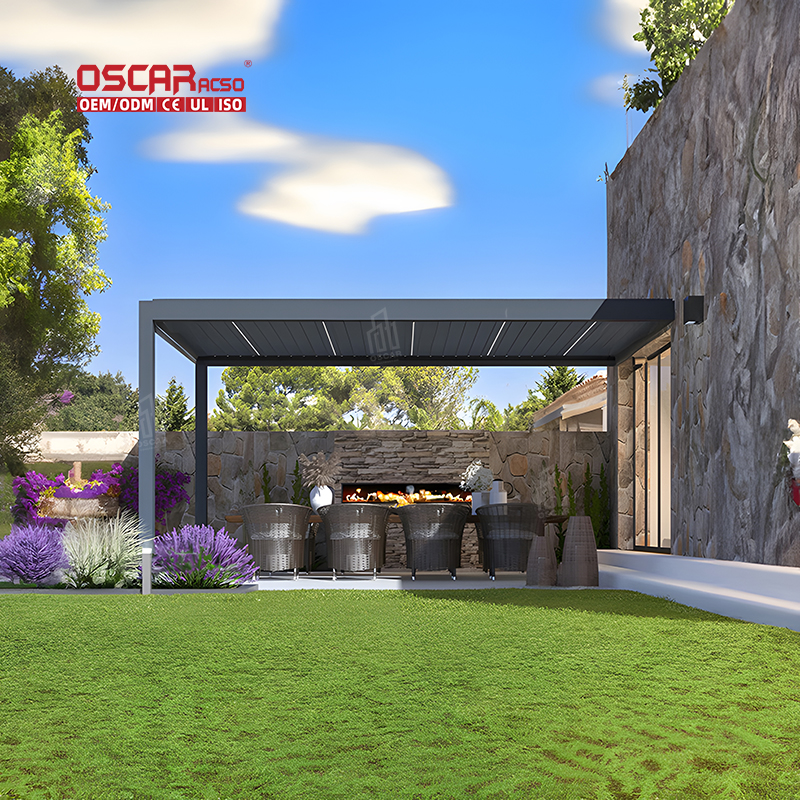
Compared to flat roofs, gable pergolas absorb less heat and allow better heat dissipation, making them more comfortable in warm weather.
Design Variations and Customization
Gable pergolas come in diverse styles to suit different needs:
- 1.
Freestanding Gable Pergolas: Ideal for open gardens or yards, these standalone structures offer flexibility in placement and design.
- 2.
Attached Gable Pergolas: Fixed to a building wall, they extend living spaces seamlessly but may require more permitting.
- 3.
Louvered Gable Roofs: Adjustable slats allow control over sunlight and ventilation, blending functionality with modern aesthetics.
- 4.
Eco-Friendly Options: Some designs integrate solar panels or green roofs for energy efficiency and sustainability.
.jpg "gable roof pergola")
Pro Tip: Pair your gable pergola with climbing plants like wisteria or ivy to create a natural canopy that enhances shade and beauty.
Material Selection: Pros and Cons
Choosing the right material ensures longevity and style:
- •
Wood: Western Red Cedar and Teak are popular for their natural resistance to decay and insects. However, wood requires regular maintenance like sealing or staining to prevent weather damage.
- •
Metal (Aluminum/Steel): Offers a sleek, modern look with minimal upkeep. Aluminum is rust-proof and lightweight, while steel provides sturdiness but may need anti-rust treatments.
- •
Vinyl: A low-maintenance, cost-effective option that mimics wood but won’t rot or fade. It’s less sturdy in extreme weather, though.
For durability in harsh climates, aluminum is a top choice due to its resistance to corrosion and wind.
Installation and DIY Tips
Building a gable roof pergola requires careful planning:
.jpg "gable roof pergola")
- 1.
Site Selection: Choose a location that maximizes shade and complements your outdoor layout. Consider sun path and wind direction.
- 2.
Foundation: Dig deep post holes (at least 3 feet) and use concrete anchors for stability. Ensure posts are perfectly vertical.
- 3.
Roof Framing: Cut rafters at precise angles (e.g., 45 degrees) to form the gable shape. Use galvanized screws for secure connections.
- 4.
Roofing Materials: Options include polycarbonate panels for light filtration, metal sheets for full coverage, or retractable fabrics for flexibility.
DIY Note: While kits are available, complex designs may require professional assistance to ensure structural integrity.
Maintenance and Long-Term Care
Keep your gable pergola in top condition with these tips:
- •
Wood Structures: Apply sealant every 2–3 years to prevent moisture damage and fading.
- •
Metal Components: Clean periodically to avoid dirt buildup; inspect for rust annually.
- •
General Inspections: Check bolts and joints seasonally, especially after storms.
.jpg "gable roof pergola")
For louvers or moving parts, lubricate mechanisms to ensure smooth operation.
Why Choose a Gable Roof Pergola?
This pergola style merges form and function, offering a perfect balance of shade, weather protection, and visual appeal. Whether you’re hosting summer gatherings or creating a cozy nook for relaxation, its design adapts to any lifestyle. Additionally, a well-built gable pergola can increase property value by enhancing outdoor usability.
Personal Insight: I believe gable roof pergolas are undervalued in modern landscaping. Their pitched design not only stands out visually but also addresses practical issues like drainage and heat management—making them a smarter investment over flat-roof alternatives 🌟.