

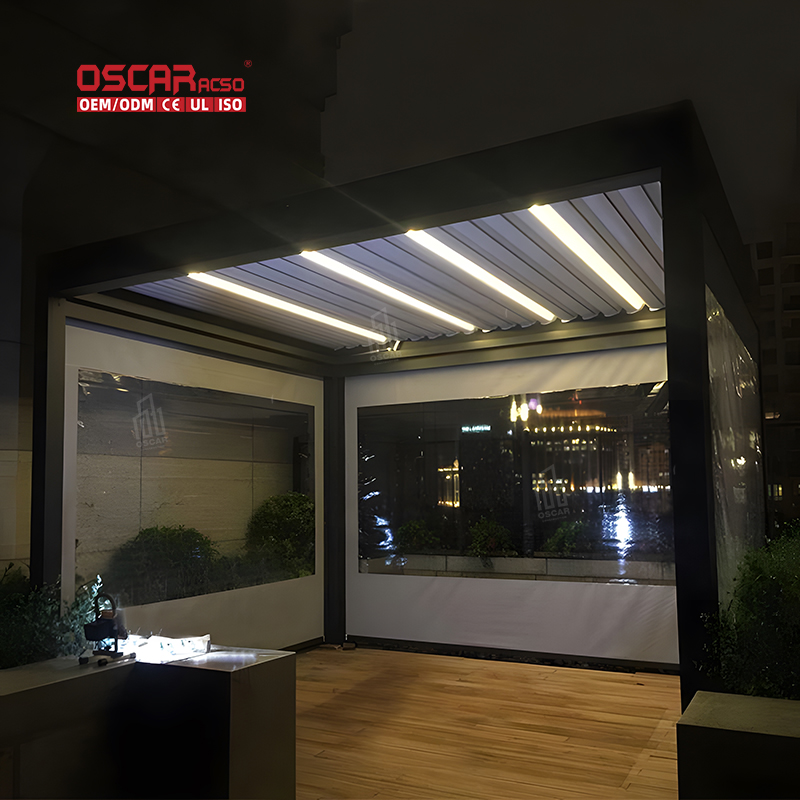
Imagine sipping your morning coffee in a cozy, shaded nook just steps from your kitchen, or hosting a delightful dinner party under the stars without ever leaving your home. A garden lean-to pergola makes this dream a reality, effortlessly extending your living space and creating a smooth transition between your home and garden 🌿.
✨ What Exactly is a Lean-To Pergola?
A lean-to pergola, also known as a wall-mounted pergola, is a structure designed to be attached to the exterior wall of your house. Unlike a freestanding pergola that can be placed anywhere in the garden, this design leverages your home’s existing structure for support, creating a seamless and integrated look. It’s the perfect solution for defining a patio area, especially above doors or windows, effectively creating an outdoor room.
.jpg "garden pergola lean to")
🏡 Why Choose a Lean-To Design? The Unbeatable Advantages
So, what makes attaching a pergola to your house so special? The benefits are numerous and impactful:
- •
Space Maximization: Perfect for smaller gardens or patios where every square meter counts. It utilizes vertical space and doesn’t dominate the area like a freestanding structure might.
- •
Enhanced Functionality: It creates a fantastic covered area for outdoor dining, relaxing, or even housing a hot tub, with incredibly convenient access to your kitchen or living room.
- •
Increased Privacy: By being situated against your home and potentially a fence, it can offer more seclusion than a open garden structure.
- •
Potential Value Addition: A well-built and attractive lean-to pergola can enhance the aesthetic appeal and potentially the value of your property by creating a desirable outdoor living area.
🛠️ Key Considerations Before You Build
Installing a lean-to pergola requires some important planning. Asking the right questions upfront ensures a successful project.
1. Permits and Regulations:
Always check with your local building authority about permits. Regulations vary, but a declaration of works is often required for structures of a certain size.
2. Wall Assessment:
It’s crucial to ensure your house wall can support the structure. If unsure, consult a structural engineer or a professional builder to assess the wall’s load-bearing capacity and securely attach the crucial ledger board (support beam).
3. Roof Slope and Drainage:
A slight slope (often recommended around 5 degrees) is essential for effective rainwater runoff, preventing water buildup and protecting your structure. This is especially important if you add solid roofing.
🌟 Personal Opinion: The Bioclimatic Choice
In my view, if your budget allows, investing in a modern aluminum lean-to pergola with motorized louvered roofs is a game-changer. While the initial cost is higher than basic kits, the functionality is unparalleled. Controlling sunlight and shade with a remote, having built-in LED lighting for ambiance, and knowing you’re protected from a sudden rain shower without rushing indoors truly elevates your outdoor experience. It’s not just a shade structure; it’s a fully functional outdoor room that can be used in almost any weather.
📐 Material Matters: Choosing the Right Frame
The material you choose defines the look, maintenance, and longevity of your pergola.
- •
Aluminum: Highly durable and low-maintenance. It won’t rust, rot, or warp. Modern powder-coated finishes offer great style and weather resistance. Often features integrated tech like adjustable louvers and lighting.
- •
Wood (Cedar, Redwood, Pressure-Treated): Offers a classic, natural aesthetic that blends beautifully with gardens. However, it requires more upkeep, like annual sealing or staining, to prevent weather damage and maintain its appearance.
- •
Vinyl (UPVC): Budget-friendly and virtually maintenance-free. It won’t need painting or sealing and is easy to clean. It can mimic other materials but may have a less premium feel.
💡 Design Inspiration: Making It Your Own
Your lean-to pergola should be a reflection of your personal style. Here are some ideas to personalize it:
- •
Create an Outdoor Dining Room: Position it over a patio dining set for unforgettable al fresco meals.
- •
Add a Green Ceiling: Train climbing plants like wisteria, clematis, or climbing roses over the rafters for a natural, fragrant canopy.

- •
Incorporate Lighting: String lights, integrated LED strips, or mounted lanterns create a magical atmosphere for evening use.
- •
Install Side Screens: For added privacy and protection from wind, consider adding retractable blinds or privacy screens.
.jpg "garden pergola lean to")
⚖️ Weighing the Pros and Cons
Pros:
- •
Space-Efficient: Ideal for compact areas.
- •
Convenient Access: Directly accessible from your home.
- •
Integrated Look: Creates a cohesive flow between indoor and outdoor spaces.
- •
Versatile Use: Can cover dining areas, hot tubs, or simple seating.
Cons:
- •
Wall Dependency: Requires a sound structural wall for attachment.
- •
Potential Permit Needs: May require checking local regulations and obtaining permits.
- •
Possible Complexity: Installation might be more complex than a freestanding model, especially for securing the ledger board.
💰 Investment and Value
Costs can vary widely based on materials, size, and features. A basic DIY kit might start from a few hundred pounds, while a high-end, professionally installed aluminum bioclimatic system can cost several thousand. View it as an investment in your lifestyle and property, not just a garden purchase. The countless hours of enjoyment and the enhanced functionality of your home can offer significant returns in quality of life.
.jpg "garden pergola lean to")
A garden lean-to pergola is more than an addition; it’s a transformative element that encourages you to live larger and enjoy every moment outdoors, rain or shine.
.jpg "garden pergola lean to")