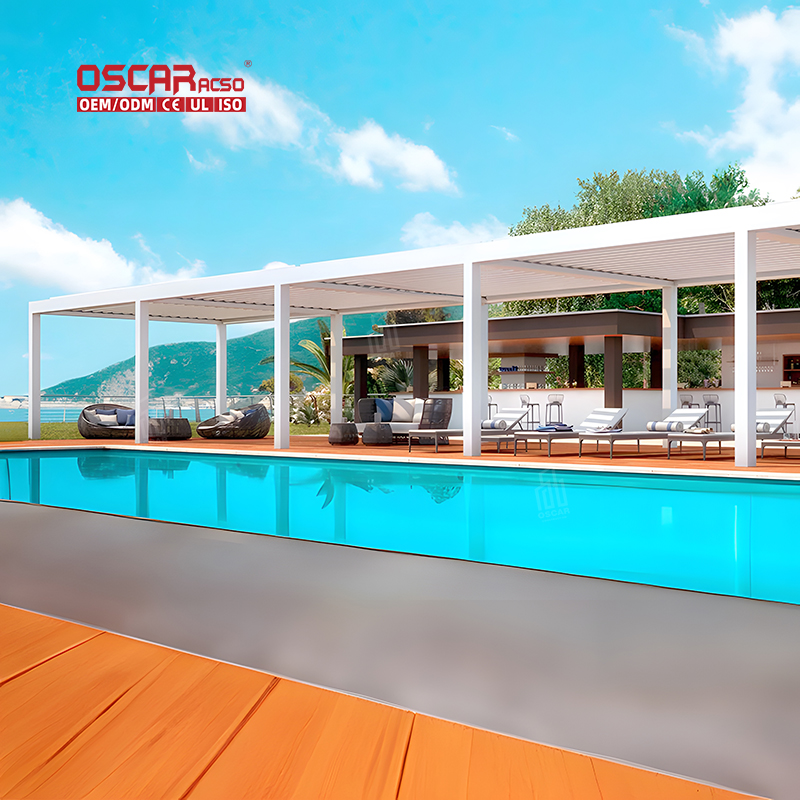
Imagine sipping your morning coffee under the dappled shade of a structure built with your own hands—a homemade pergola isn’t just a garden project; it’s a lifestyle upgrade 🌿. This versatile outdoor feature combines artistry with functionality, offering a shaded retreat, a support for climbing plants, and a stunning focal point for gatherings. Beyond its beauty, building one yourself can save thousands compared to professional installations while providing immense personal satisfaction. Ready to transform your backyard? Let’s dive in!
🛠️ Why Build Your Own Pergola?
Building a pergola from scratch might seem daunting, but the rewards are undeniable. For starters, you gain full control over design, materials, and size, ensuring it perfectly complements your home’s architecture and your personal style. Economically, a DIY pergola typically costs between 800to1,500 for materials, depending on wood quality and dimensions—far cheaper than pre-fab kits or hired pros . Plus, the sense of accomplishment when you lounge under your creation? Priceless 💪.
📐 Planning & Design Essentials
Before swinging a hammer, meticulous planning is crucial. Ask yourself: What’s the primary purpose?Is it for shade, privacy, or to support lush vines? Your answer guides the design.
• Location & Dimensions: Choose a flat, spacious area—like a patio or garden corner—and ensure dimensions align with your space. A common size is 10×16 feet, offering ample room for seating . Height matters too; ideally, keep it between 7.5 to 8.5 feet to avoid a cramped feel while maintaining proportionality .
• Style Inspiration: From modern minimalist (clean lines, neutral tones) to rustic charm (reclaimed wood, climbing plants), your design should reflect your taste. Sketch a scale plan to visualize the result and calculate material needs accurately .
• Permits & Regulations: Check local building codes! Some regions require permits for permanent structures, especially if attached to your home .
🌳 Material Selection: Wood & Beyond
Choosing the right materials ensures durability and aesthetics. Wood remains the top choice for its natural look and workability:
• Cedar or Redwood: Naturally rot-resistant and ideal for outdoor use. Though pricier, their longevity justifies the cost .
• Pressure-Treated Pine: A budget-friendly option that withstands moisture and insects when properly sealed .
• Bamboo Hybrids: For a tropical twist, bamboo beams add exotic flair and sustainability .
• Hardware & Extras: Opt for galvanized or stainless-steel screws to prevent rust. For stability, use metal post anchors embedded in concrete .
• Safety Gear: Gloves, goggles Pro Tip: Rent specialized tools like a concrete mixer if needed—it’s cost-effective for one-time use.
🏗️ Step-by-Step Construction Guide
1. Foundation & Posts: Dig holes 至少 80 cm deep for posts, add gravel for drainage, and set posts in concrete-filled tubes. Use a spirit level to ensure they’re plumb and brace temporarily until concrete sets (1-2 days) .2. Frame Assembly: Attach horizontal beams to posts using metal brackets or notched joints for stability. For a 10×16 pergola, use 2×6 or 2×8 lumber for beams and joists spaced 16 inches apart .3. Roof Slats & Decor: Add top slats (2x4s recommended) perpendicular to beams. For adjustable shade, consider retractable fabric canopies or polycarbonate sheets .4. Finishing Touches: Sand surfaces smooth, fill holes with wood putty, and apply weather-resistant stain or sealant to protect against UV rays and moisture .
🌸 Personalization & Landscaping Integration
A pergola becomes truly unique when tailored to your lifestyle:
• Greenery & Privacy: Train climbing plants like wisteria, clematis, or grapes over the structure for natural shade and fragrance . Add slatted privacy walls for seclusion .
• Lighting & Ambiance: String solar-powered LED lights or Edison bulbs overhead for evening charm .
• Functional Zones: Use the space for outdoor dining, a cozy fire pit area, or even a car shelter by adapting the design .
💡 Pro Tips for Success
• Pre-Drilling Prevents Splitting: Especially with cedar, always pre-drill holes before screwing .
• Check Diagonals for Squareness: After framing, measure corner-to-corner diagonals—equal lengths mean a perfectly square structure .
• Maintenance Matters: Inspect annually for wear; reapply sealant every 2-3 years to prolong life.
🚀 Beyond Basics: Innovative Ideas
Feeling adventurous? Explore these advanced options:
• Attached Pergolas: Secure to your home’s exterior using ledger boards and flashing for weather protection .
• Mixed Materials: Combine wood with metal corbels or bamboo for visual interest .
• Eco-Friendly Tweaks: Install rainwater collection systems on the roof or use reclaimed wood for a sustainable build.
Building a homemade pergola is more than a DIY project—it’s an investment in your home’s comfort and value. With careful planning, quality materials, and a dash of creativity, you’ll create an outdoor oasis that delights for years. So grab those tools and start crafting! 🌟


.jpg "homemade pergola")
.jpg "homemade pergola")