

.jpg "how big of a pergola do i need")
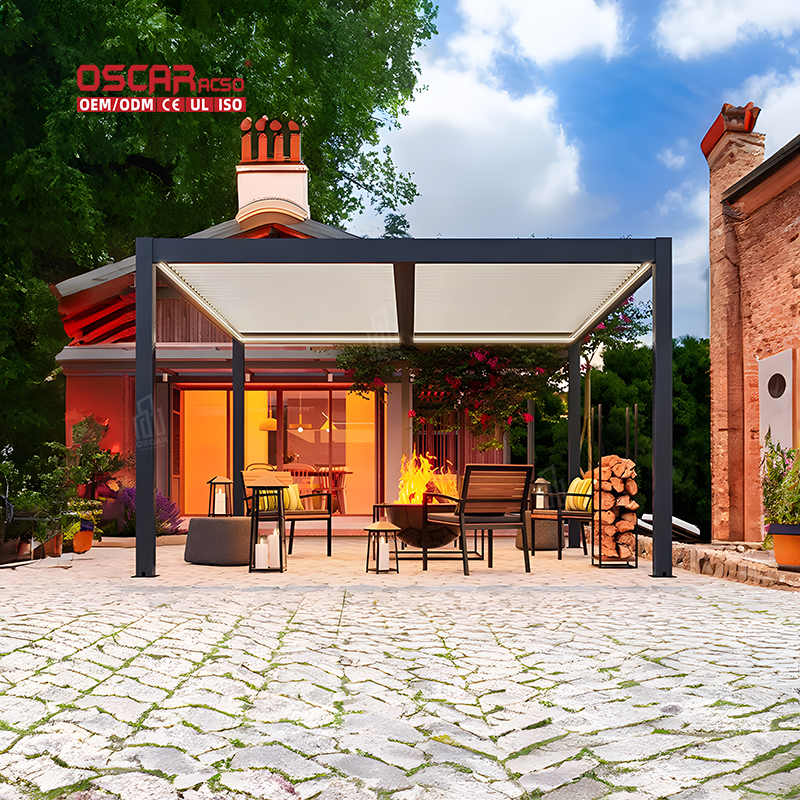
Dreaming of the perfect pergola? 🤔 You’re not alone! This beloved outdoor structure can transform your backyard into a stylish retreat for dining, relaxing, or entertaining. But one question stumps many: “How big should it be?” There’s no one-size-fits-all answer, but by understanding your space, needs, and a few key principles, you can find the perfect dimensions for your paradise. Let’s dive in!
🏡 First, Assess Your Space & Needs
Before you fall in love with a size, grab a tape measure! Accurately measure the length and width of your intended installation area. Don’t forget to note any obstacles like trees, downspouts, or existing structures that might affect placement .
Next, ask yourself: What’s the primary purpose?
- •
A cozy nook for two? A compact size might suffice.
- •
Family dinners or hosting friends? You’ll need room for a table and chairs.
- •
A large lounge area with sofas and coffee tables? Think bigger.
- •
Covering an outdoor kitchen or hot tub? This requires very specific sizing.
Pro Tip: Physically mark the proposed pergola footprint on the ground with rope or tape. Walk around it, place your existing furniture inside, and see how it feels. This real-life test is a game-changer!
📊 Standard Sizes & Their Best Uses
While custom options abound, standard sizes provide a great starting point :
|
Dimensions (Feet) |
Pergola Size |
Ideal For |
Capacity |
|---|---|---|---|
|
8′ x 8’ |
🔹 Small |
Bistro set, 2-4 person lounge |
2-4 people |
|
10′ x 10’
|
🔸 Medium |
4-person dining set, compact lounge |
4-8 people |
|
10′ x 12’ |
🔸 Medium |
6-person dining, larger lounge area |
4-8 people |
|
12′ x 16’ |
🔶 Large |
8-person dining, sectional sofa, fire pit
|
8-12 people |
|
16′ x 20’ |
🔶 Large |
Grand entertaining, multiple zones |
12+ people |


Remember: Ensure a minimum clearance of 7 to 8 feet beneath the beams for comfortable movement and a spacious feel .
⚖️ Getting Proportions & Scale Right
A pergola should complement your home and garden, not overwhelm them. A good rule of thumb is that it should take up no more than one-third of your available outdoor space .
- •
For large houses and expansive yards: A bigger pergola (e.g., 12×16 ft or larger) will look balanced.
- •
For smaller homes and compact gardens: A modest-sized pergola (e.g., 10×10 ft or 8×8 ft) will feel cozy, not cramped.
Height is crucial too! Standard heights range from 8 to 12 feet .
- •
8 ft offers a more intimate, cozy feel.
- •
10-12 ft feels more open and airy, allowing for hanging lights, fans, or climbing plants.
🛋️ Planning for Furniture & Flow
Don’t just think about the furniture footprint—think about movement! A common mistake is choosing a size that fits a table and chairs but leaves no room to walk around comfortably when seated.
- •
For dining areas: Allow at least 3 feet of clearance around the table for pulling out chairs and easy passage .
- •
For lounge areas: Ensure enough space for walking around sofas and chairs without squeezing through.
Think in zones: A very large pergola can be designed with distinct areas for dining, lounging, and cooking.
🌞 Consider Sun, Wind, and Material
The sun’s path affects your experience. A deeper pergola (greater depth) provides more shade. If your goal is maximum shade protection, consider the sun’s angle and orient your pergola to block the harsh afternoon sun .
Your choice of material also influences size and design:
- •
Wood & Fiberglass: Can often span longer distances (up to 20 ft) between posts .
- •
Aluminum & PVC: May require additional support posts for spans over 12-14 feet .
My Insight: For most homeowners, powder-coated aluminum offers an excellent blend of strength for longer spans, low maintenance, and modern aesthetics. It’s a top choice for achieving a sleek look without constant upkeep.
📐 Navigating permits and practicalities
Always check local building codes and HOA rules first! Regulations often dictate:
- •
Maximum height (e.g., often under 10-12 ft).
- •
Setback requirements from property lines.
- •
Permit needs: Smaller structures (often under 120 sq ft) may not need one, but height restrictions can apply. A permit is almost always required for larger, attached pergolas .

.jpg "how big of a pergola do i need")
Attached vs. Freestanding:
- •
Attached pergolas fix to your house, can often span longer, but are limited by your home’s wall length.
- •
Freestanding pergolas offer more placement flexibility but might need more supports and must adhere to property line setbacks.
💡 Final Pro Tips for Your Decision
- 1.
Prioritize Function: Let how you’ll usethe space be your primary guide.
- 2.
Custom is King: Don’t feel constrained by standard sizes. Many companies offer custom kits to perfectly fit your unique space and vision .
- 3.
Consult a Pro: When in doubt, get advice from a landscape designer or reputable pergola builder. Their experience can prevent costly sizing mistakes and unlock creative possibilities .
Choosing the right pergola size is a blend of art and science. It’s about creating a personal sanctuary that feels intuitively right for you, your home, and your lifestyle. By measuring carefully, thinking about your activities, and considering the overall balance of your outdoor space, you’ll invest in an oasis you’ll adore for years to come. 🍷