

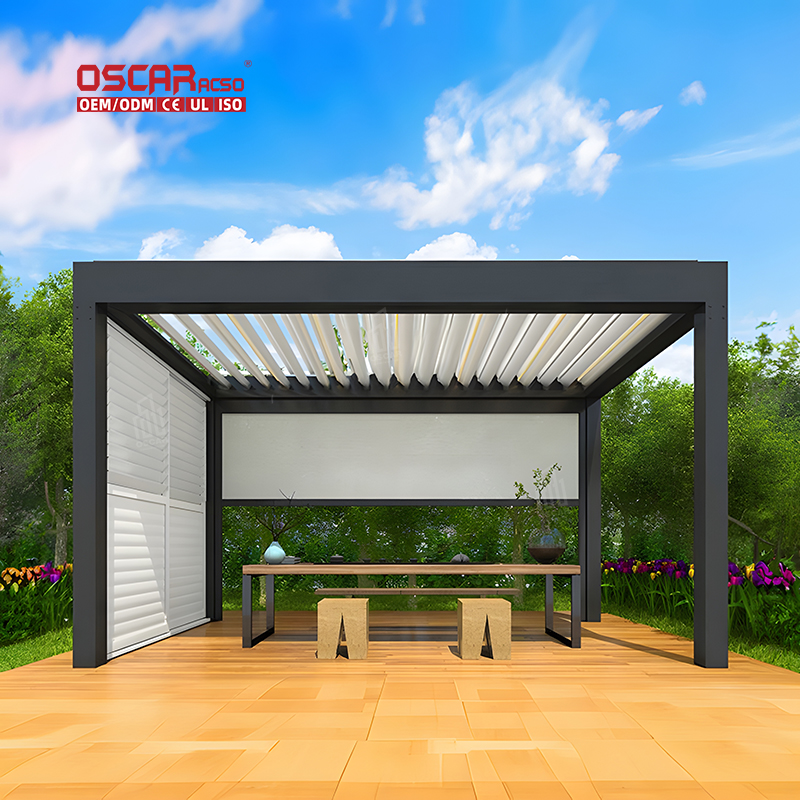
Dreaming of a beautiful outdoor living space but worried about hurricane season? You’re not alone! Many homeowners love the idea of a pergola but fear it might become a dangerous projectile in strong winds. The truth is, no pergola is 100% “hurricane-proof” – but with smart engineering and proper materials, many can withstand extreme weather conditions surprisingly well 🤔.
What Makes a Pergola Hurricane-Resistant?
Hurricane resistance isn’t about creating an indestructible structure but rather one designed to survive specific wind loads and weather conditions. The key lies in three fundamental elements: materials, engineering, and installation.
Most quality pergolas built for high-wind areas share these features:
- •
Robust framing using reinforced aluminum or galvanized steel
- •
Deep concrete footings that secure the structure to the ground
- •
Aerodynamic designs that allow wind to pass through rather than push against solid surfaces
- •
Corrosion-resistant hardware that won’t fail in salty, humid air
The minimum wind load standard in the United States is 105 mph, which many standard pergolas don’t meet.真正能够抵御飓风的凉亭需要专门的设计和材料。
❓ Hurricane-Proof vs. Hurricane-Resistant: What’s the Difference?
This is an important distinction! While manufacturers might use these terms interchangeably, there’s a subtle difference:
- •
Hurricane-resistant means the structure can withstand certain hurricane-force winds (typically up to 130-150 mph) when properly installed, but might sustain some damage in extreme conditions.
- •
Hurricane-proof suggests absolute invulnerability – which is essentially impossible for any outdoor structure.
The most honest manufacturers will specify their products as “hurricane-resistant” and provide exact wind ratings based on engineering tests .
🛡️ Best Materials for Hurricane-Resistant Pergolas
Not all materials perform equally in high winds! Your choice dramatically affects both durability and safety.
Aluminum reigns supreme 👑 for hurricane-prone areas. High-quality aluminum pergolas offer:
- •
Excellent strength-to-weight ratio
- •
Natural corrosion resistance (crucial for coastal areas)
- •
Low maintenance requirements
- •
Wind resistance ratings up to 130+ mph in engineered systems
Wood has limitations. While traditional and attractive, wooden pergolas typically withstand only 50-70 mph winds. They require more maintenance and can weaken over time due to rot, insects, and weather exposure .
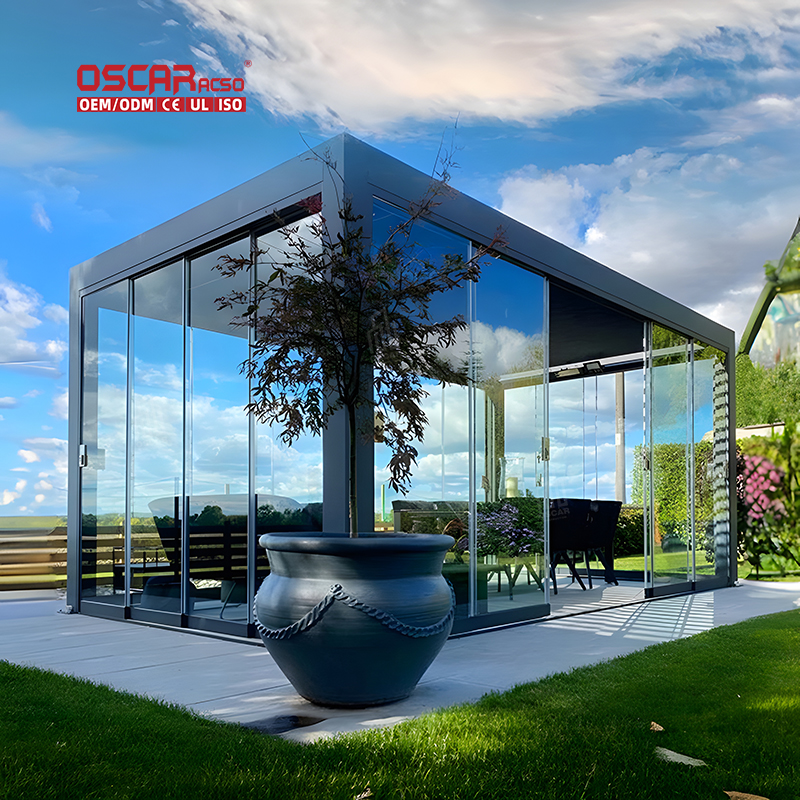
Avoid flimsy materials like standard vinyl or poorly reinforced composites. These often lack the structural integrity for high-wind environments .
🏗️ Engineering Matters: The Hidden Key to Survival
The materials alone don’t guarantee storm resistance – how they’re engineered and installed makes all the difference.
Proper anchoring is non-negotiable. This isn’t a job for simple surface mounts! Hurricane-resistant pergolas require:
- •
Deep concrete footings (often 24+ inches deep)
- •
Heavy-duty post brackets designed for uplift prevention
- •
Professional installation following exact specifications
Aerodynamic design features significantly help. Many hurricane-rated pergolas include:
- •
Louvered roofs that can be adjusted to reduce wind resistance
- •
Open designs that allow wind to pass through rather than push against solid surfaces
- •
Strategic bracing that reinforces the structure without creating sail-like surfaces
Certifications provide proof. Look for products with Miami-Dade County NOA (Notice of Acceptance) certification. This rigorous standard is recognized across multiple states and indicates the pergola has passed testing for hurricane-prone areas .
💨 Wind Ratings Explained: What Do the Numbers Mean?
Understanding wind ratings helps you make informed decisions about what level of protection you’re actually getting.

Most quality aluminum pergolas fall into these categories:
- •
Standard wind resistance: 50-80 mph (may not meet building codes in high-wind areas)
- •
High wind resistance: 80-110 mph (suitable for many coastal regions)
- •
Hurricane resistance: 110-130+ mph (engineered for severe weather)
Remember: The United States minimum wind load standard is 105 mph. Anything less may not meet building code requirements in many areas .
🏡 Location-Specific Considerations
Where you live dramatically affects what type of pergola you need and what regulations apply.
Coastal areas have special challenges beyond just wind:
- •
Salt air corrosion requires marine-grade materials and finishes
- •
Higher wind loads typically require engineered solutions
- •
Strict building codes often mandate specific certifications
Inland areas might have more flexibility, but still need to consider:
- •
Local wind patterns (valleys, hills, and buildings can create wind tunnels)
- •
Soil conditions that affect anchoring stability
- •
Snow loads that add additional stress to structures
Always check local building codes and permit requirements before installing any permanent structure .

⚠️ Common Mistakes That Compromise Safety
Even well-designed pergolas can fail if installed or maintained improperly.
Avoid these critical errors:
- •
Using inadequate anchors or skipping concrete footings
- •
Choosing the wrong material for your climate and wind conditions
- •
Installing too close to property lines where wind effects might be amplified
- •
Neglecting maintenance that could reveal weaknesses before storms hit
- •
Assuming DIY installation is sufficient for hurricane-resistant models
The cheapest option is often the most expensive mistake. Cutting corners on materials or installation can lead to catastrophic failure during storms – potentially causing damage to your home and property .
🔧 Maintenance for Long-Term Storm Readiness
Hurricane resistance isn’t a one-time feature – it requires ongoing attention to maintain its effectiveness.
Regular inspections are crucial. Check for:
- •
Loose bolts or connections
- •
Signs of corrosion (especially in coastal areas)
- •
Cracks or weaknesses in materials
- •
Soil erosion around footings that might compromise stability
Pre-storm preparations make a difference. For louvered pergolas, opening the louvers to a 45-degree angle before a storm allows wind to pass through, reducing pressure on the structure .
Remove potential projectiles like hanging plants, furniture, and decorative items before severe weather hits .

💡 Professional Installation: Why It Matters So Much
This isn’t a typical DIY project! Hurricane-resistant pergolas require precise installation to perform as engineered.
A qualified contractor will:
- •
Understand local building codes and permit requirements
- •
Properly prepare footings based on soil conditions
- •
Follow engineering specifications exactly as designed
- •
Provide warranties on both materials and installation
Ask potential installers these critical questions:
- •
“Do your pergolas meet Miami-Dade hurricane requirements?”
- •
“Can you provide engineered drawings and pull permits?”
- •
“What warranties do you offer on materials and installation?”
- •
“What materials are NOC approved for my area?”
Don’t be fooled by the lowest price. Quality materials and proper installation cost more upfront but prevent costly failures and repairs later .
📊 Cost Considerations: Investment vs. Protection
Hurricane-resistant pergolas represent a significant investment, but one that pays dividends in safety, durability, and peace of mind.
Price ranges vary based on:
- •
Materials (aluminum generally costs more than wood but lasts longer)
- •
Size and complexity of the design
- •
Engineering requirements for your specific location
- •
Installation challenges (site accessibility, soil conditions)
- •
Certifications like Miami-Dade NOA
While initial costs are higher, a properly installed hurricane-resistant pergola:
- •
Adds value to your property
- •
Reduces maintenance costs over time
- •
Might qualify for insurance discounts in some areas
- •
Eliminates replacement costs after storm season
The average homeowner might spend 20-40% more for a hurricane-rated pergola compared to a standard model – but the protection during storm season is priceless 🌟.
独家见解: Based on engineering data, a properly installed aluminum pergola with a 130 mph wind rating can withstand forces equivalent to a Category 4 hurricane – something many homes themselves might not survive unscathed. This surprising durability makes them not just decorative additions but genuine protective structures for your outdoor living space.