

Imitation wood planks are revolutionizing pergola design 🌱, offering the classic beauty of wood without the high maintenance. These innovative materials, often called composite lumber or wood-plastic composites (WPC), are crafted from a blend of recycled plastics and natural wood fibers like wood chips, bamboo, or agricultural waste (e.g., rice husks, straw) . They expertly mimic the grain, texture, and color of real wood, providing a sustainable and durable alternative for your outdoor oasis.
.jpg "imitation wood planks for pergolas")
✨ Why Choose Imitation Wood Planks?
The appeal of imitation wood goes beyond its good looks. Homeowners are increasingly choosing it for several compelling reasons:
.jpg "imitation wood planks for pergolas")
- •
Unbeatable Durability & Resistance: These planks are highly resistant to rot, decay, and insect damage 🐜, eliminating worries about termites or fungal growth. They also offer excellent moisture resistance, making them ideal for humid climates or areas with heavy rainfall .
- •
Minimal Maintenance Required: Say goodbye to annual sanding, staining, and sealing! Imitation wood pergolas require very little upkeep. An occasional cleaning with soap and water is usually all it takes to keep them looking new .
- •
Eco-Conscious Choice: By utilizing recycled plastics and reclaimed wood fibers, these planks help reduce landfill waste and decrease the demand for virgin timber 🌍, promoting forest conservation .
- •
Long-Term Value: While the initial investment might be higher than some softwoods, their extended lifespan (often 20+ years with minimal maintenance) and lack of ongoing costs for stains and sealants make them a cost-effective choice over time .
🔄 How Do They Compare to Traditional Wood?
Understanding the differences helps in making an informed decision.
|
Feature |
Imitation Wood Planks (WPC) |
Traditional Wood (e.g., Cedar, Pine) |
|---|---|---|
|
Maintenance |
Very low; occasional cleaning
|
High; requires regular staining/sealing |
|
Durability |
High; rot, insect, and moisture resistant |
Varies; some are naturally resistant, others need treatment |
|
Lifespan |
Long (20+ years) |
Varies (10-75 years based on type and care) |
|
Environmental Impact |
Uses recycled materials |
Depletes forest resources (unless sustainably sourced) |
|
Cost |
Higher upfront cost |
Lower upfront, higher long-term maintenance cost |
|
Aesthetics |
Consistent color & texture, can mimic wood |
Natural, authentic grain; ages uniquely |
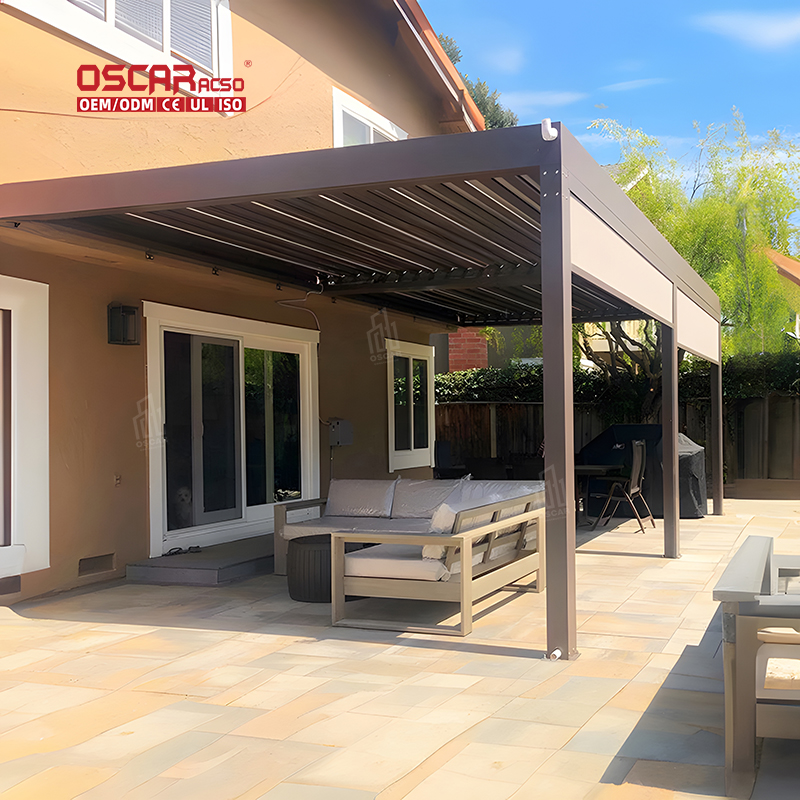
While woods like cedar, redwood, or ipe have a timeless, authentic appeal , they come with ongoing maintenance and a higher environmental cost if not sourced from well-managed forests. Imitation wood offers a worry-free and consistent aesthetic.
🎨 Design Possibilities and Aesthetic Appeal
Gone are the days of limited “fake wood” looks. Modern imitation wood planks come in a staggering array of colors and finishes—over 200 options by some estimates! Whether you want the rich tone of mahogany, the warm hue of western red cedar, or the deep brown of ipe, there’s a style to match your vision.
This versatility allows it to blend into various designs:
- •
Classic & Rustic: Achieve a traditional pergola look without the maintenance headaches.
- •
Modern & Sleek: The clean lines and uniform appearance suit contemporary outdoor spaces.
You can also find imitation wood with features like scored surfaces to mimic real wood plank seams and embossed textures for a more authentic feel.
🛠️ Installation and Construction Considerations
Building a pergola with imitation wood planks is often straightforward, especially with many manufacturers offering prefabricated kits . Standard dimensions for posts are typically 4×4 inches or 6×6 inches for larger structures, while beams often use 2×6, 2×8, or 2×10 inches .
However, it’s crucial to use the correct fasteners and techniques. Specialized screws designed for composite materials are recommended to prevent damage and ensure a secure hold. For complex designs or if you’re unsure, consulting a professional is wise to ensure structural integrity and adherence to local building codes .
💡 The Manufacturing Process: How It’s Made
Ever wondered how these planks are created? The process is fascinating! It typically involves:
.jpg "imitation wood planks for pergolas")
- 1.
Material Preparation: Recycled plastics (like PE or PVC) are cleaned and ground. Natural fibers (wood flour, bamboo, straw) are dried and refined to a fine powder.
- 2.
Mixing & Compounding: The plastic, wood fibers, and additives (for color, UV stability, and bonding) are blended in a high-temperature mixer until uniform.
- 3.
Extrusion: The molten composite mixture is forced through a die (a shaped mold) under high pressure and heat. This forms the planks into their final profile and shape.
- 4.
Cooling & Finishing: The extruded planks are cooled, often with water sprays. They may then pass through embossing rollers to add a wood-grain texture before being cut to length .
This process allows for incredible consistency and the creation of long, durable planks perfect for pergola construction.
🔮 The Future of Outdoor Living
Imitation wood planks represent a significant shift towards sustainable, low-maintenance outdoor living. As technology advances, we can expect even more realistic wood-look finishes, improved durability, and greater design flexibility. They offer a practical way to enjoy the natural warmth and beauty of wood while aligning with modern environmental values and busy lifestyles.
Your dream pergola awaits—a beautiful, durable, and eco-friendly space where you can relax and entertain for years to come, with more time for enjoying and less time for maintaining.
