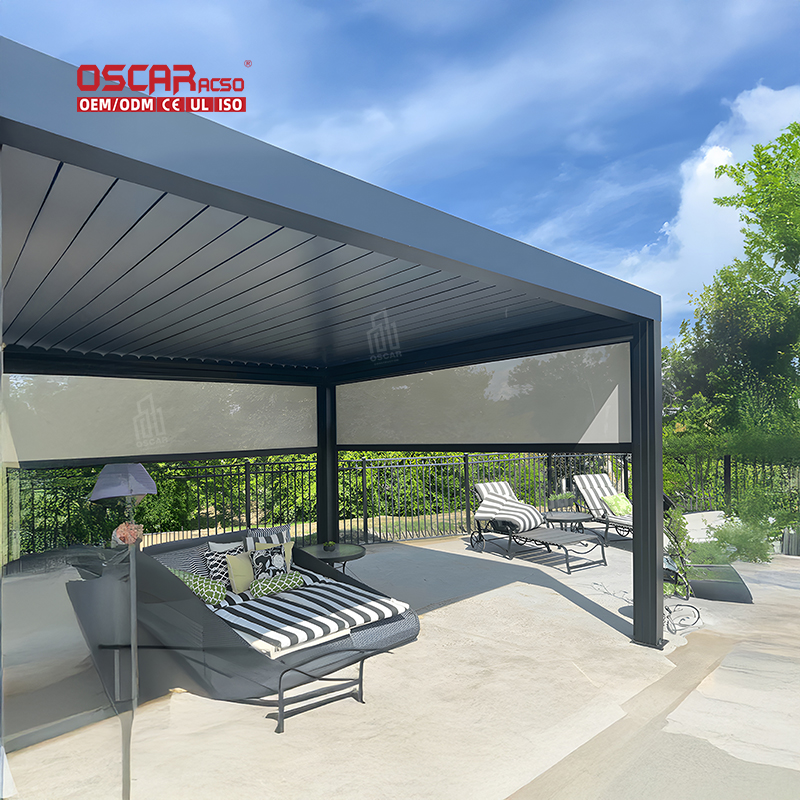
A natural biodynamic pergola is more than just a garden structure—it’s a living, breathing extension of your home that works in harmony with the environment. Unlike traditional pergolas, which may rely on synthetic materials and energy-intensive features, a biodynamic approach focuses on creating a sustainable ecosystem. By leveraging natural materials, passive climate control, and integrated greenery, this design philosophy transforms your outdoor space into a dynamic sanctuary that adapts to the seasons and reduces your ecological footprint. Let’s explore how you can achieve this balance of beauty, function, and sustainability.
🌿 What Is a Biodynamic Pergola?
At its core, a biodynamic pergola embraces bioclimatic principles—designing with nature, not against it. Think of it as a “living architecture” that responds to sunlight, wind, and rain to create comfortable microclimates. For example, by orienting the structure to capture winter sun while providing summer shade, you can naturally regulate temperature without relying on artificial heating or cooling . This approach goes beyond aesthetics; it’s about creating a space that evolves with the environment, supporting both human well-being and local biodiversity.
🌱 Eco-Friendly Materials: Building with the Earth
The foundation of a biodynamic pergola lies in material choices that prioritize sustainability and circularity. Here’s a breakdown of top options:
• Sustainably Sourced Wood: FSC-certified cedar or redwood offers natural resistance to pests and rot, minimizing the need for chemical treatments. These woods blend beautifully into landscapes and biodegrade responsibly at the end of their lifespan .
• Reclaimed Timber: Salvaged from barns or factories, reclaimed wood adds character while reducing waste. Its weathered patina integrates seamlessly with rustic or modern designs .
• Bamboo: As one of the fastest-growing plants on Earth, bamboo is incredibly renewable. Its lightweight yet sturdy nature makes it ideal for structures in humid or tropical climates .
• Recycled Composites: Materials made from recycled plastic and wood fibers offer durability without the environmental cost of virgin resources. They’re low-maintenance and often outlast traditional lumber .
🔥 Pro Tip: Pair dark-colored materials (e.g., stained wood) with light-colored gravel paths to balance heat absorption—dark tones convert sunlight into warmth during cooler months, while light surfaces reflect summer heat .
🍃 Biophilic Integration: Merging Structure with Nature
A biodynamic pergola doesn’t just sit in your garden—it becomes part of it. By incorporating climbing plants and native vines, you create a “green canopy” that provides shade, attracts pollinators, and purifies the air. Consider these options:
• Fast-Growing Vines: Wisteria, honeysuckle, or climbing roses quickly cover the structure, offering up to 90% sun blockage when mature .
• Edible Varieties: Grapevines or passionfruit add a functional twist, yielding harvests while shading your seating area .
• Native Plants: Species like clematis or Virginia creeper adapt to local conditions, requiring less water and care than non-native alternatives .
To support growth, attach a lattice or wire grid to the pergola beams. This guides vines upward and prevents damage to the structure. For a multi-sensory experience, add lavender or rosemary nearby—their fragrant blooms enhance relaxation while repelling mosquitoes naturally .
💧 Water and Energy Efficiency: Smart Resource Management
Why let rainwater go to waste? A biodynamic pergola can incorporate rainwater harvesting systems—diverting runoff from the roof into barrels for irrigation. This reduces reliance on municipal water and supports surrounding plants . Pair this with a smart irrigation system that uses moisture sensors to deliver water only when needed, preventing overwatering and promoting deep root growth .For energy needs, solar panels integrated into the pergola’s roof can power LED lighting or small appliances. Photovoltaic cells embedded in shingles or canopies generate clean electricity without compromising aesthetics. One study notes that a 4kW system may offset 30–100% of a home’s energy needs, paying for itself in 7–10 years .
🌞 Passive Climate Control: Working with Natural Forces
A well-designed biodynamic pergola acts as a natural thermostat. Here’s how to optimize it:
• Seasonal Sun Management: Angle the roof slats to block high summer sun while inviting lower winter rays. In colder climates, pair this with a retractable canopy to retain heat .
• Ventilation Strategies: Open sides encourage cross-breezes that cool the space in summer. For added airflow, incorporate sliding panels or adjustable louvers .
• Thermal Mass Materials: Stone pathways or gravel bases absorb heat during the day and release it at night, stabilizing temperatures .
💡 Did you know? Positioning your pergola near a water feature like a small pond can amplify cooling effects—evaporation lowers ambient temperatures by up to 10°F .
🐝 Biodiversity and Wildlife Support
A biodynamic pergola isn’t just for people—it’s a habitat for beneficial wildlife. By adding native flowering plants like elderberry or coneflower beneath the structure, you attract bees, butterflies, and birds that pollinate your garden. A “green wall” of ferns or mosses can further purify air and provide shelter for insects . Avoid pesticides; instead, introduce companion plants like marigolds to deter pests naturally.
💚 Maintenance and Long-Term Care
To ensure your pergola ages gracefully, adopt these eco-friendly practices:
• Natural Sealants: Use plant-based oils or beeswax to protect wood without toxic chemicals. Reapply every 1–2 years to maintain water resistance .
• Composting: Trimmed vines and fallen leaves can be composted nearby, enriching soil for surrounding plants.
• Inspection Routines: Check for loose branches or erosion seasonally. Replace any weakened elements with upcycled materials to maintain circularity .
🌟 The Future Is Biodynamic
As climate awareness grows, biodynamic designs offer a path to resilient, joyful outdoor living. By choosing local materials, embracing native plants, and harnessing natural energy flows, your pergola becomes a statement of stewardship—a place where morning coffee comes with birdsong, and evening gatherings are lit by solar-powered fairy lights. It’s a reminder that the most enduring beauty is one that gives back to the earth.


.jpg "natural biodynamic pergola")