Picture this: you’re enjoying a perfect afternoon in your backyard oasis when suddenly, the sun gets too intense ☀️. Instead of retreating indoors, you simply slide open your pergola cover to create instant shade. This seamless control over your outdoor environment is what makes sliding pergola covers a game-changer for modern living spaces. But how exactly do these innovative systems work, and why are they becoming so popular? Let’s explore the magic behind the mechanism. ✨
At first glance, a sliding pergola cover might seem like simple fabric on tracks, but the engineering behind it is surprisingly sophisticated. These systems typically operate on horizontal wires or cables stretched taut across your pergola structure. The fabric panels slide along these tracks using a clever pulley mechanism that allows for smooth opening and closing. Most systems include aluminum ribs placed across the width of the cover to prevent sagging and maintain a clean, straight appearance when extended .What really sets sliding covers apart is their flexibility. Unlike fixed covers that are either open or closed, sliding systems offer incremental adjustment – you can open them partially to allow just the right amount of sunlight through. This precision control means you’re not constantly choosing between full sun and total shade but can find that perfect middle ground. The manual operation via ropes and pulleys is intuitive and reliable, though some high-end models offer motorized options for ultimate convenience .From my experience testing various systems, the simplicity of the sliding mechanism is its greatest strength. With fewer moving parts than complex retractable systems, there’s less that can go wrong over time. The manual operation means no electrical components to fail, and the physical feedback you get from pulling the rope gives you a tangible connection to adjusting your outdoor environment.
Material Matters: Choosing Your Perfect Cover 🧐
The functionality of your sliding pergola cover depends heavily on the materials used. Not all fabrics are created equal, and your choice will determine everything from UV protection to durability against the elements.Top material options include:
• HDPE Fabrics (Commercial 95): Known for their breathable knit construction, these fabrics block 95-98% of harmful UV rays while allowing air circulation. The knitted design prevents fraying if cut and resists rot and moisture absorption. They’re not fully waterproof but offer excellent heat reduction .
• Solution-Dyed Acrylic (Sunbrella): If waterproofing is a priority, these fabrics offer superior water resistance while maintaining breathability. They’re fade-resistant and provide UPF 50+ protection, blocking about 98% of UV rays. The material is also resistant to mildew and staining .
• Polyester Blends: Affordable yet effective, these fabrics often feature reinforced grommets and stainless steel hardware for longevity. They typically offer 90-95% UV protection and come in various colors .
I’ve found that the breathability of HDPE fabrics makes them ideal for hot climates where heat buildup under the cover can be an issue. The way they allow hot air to escape while blocking UV rays creates a noticeably cooler environment than solid covers. However, if you live in an area with frequent rain, the water-resistant properties of acrylic fabrics might be worth the additional investment.The hardware quality is equally important. Stainless steel cables and aluminum components will withstand weather exposure far better than cheaper alternatives. When comparing options, pay attention to the warranty – some premium fabrics come with 10-year protection against UV breakdown and undue fading .
Installation Insights: DIY or Professional Help? 🛠️
One of the most common questions homeowners ask is: “Can I install a sliding pergola cover myself?” The answer depends on your comfort level with basic tools and the complexity of your pergola structure.For standard rectangular pergolas, many sliding cover kits are designed with DIY installation in mind. These typically include pre-measured components, detailed instructions, and all necessary hardware. The process generally involves attaching cable tensioners to your pergola frame, stretching the steel cables across, then threading the fabric panels onto the tracking system .Key installation considerations:
• Accurate measurements are crucial – measure your space at least twice before ordering
• Leave 5-15 cm clearance on each side for proper operation
• Ensure your pergola structure is sturdy enough to handle the tension from cables
• Use quality fasteners appropriate for your pergola material (wood vs. metal)
For complex shapes or larger installations (over 5 meters), professional installation is recommended. The tension forces on longer spans can be significant, and improper installation may lead to sagging or operational issues. Some manufacturers specifically caution against DIY installation for oversized applications without additional support beams .Having helped several friends with their installations, I’ve found that having an extra pair of hands makes the process much smoother. The most challenging part is typically getting the cable tension just right – too loose and the cover sags, too tight and it becomes difficult to slide. The good news is that most quality kits include adjustable tensioners that allow for fine-tuning after installation.
Weather Warrior: How These Covers Perform 🌧️
A sliding pergola cover isn’t just for sun protection – it’s your first line of defense against various weather conditions. But how does it actually hold up when the elements turn unfavorable?During rain showers, the coverage depends on your fabric choice. Water-resistant acrylic fabrics will shed light to moderate rain, while breathable HDPE fabrics will allow some moisture through but provide protection from downpours when fully closed. The wave or Roman shade design helps water run off efficiently rather than pooling on top .In windy conditions, the sliding mechanism actually offers an advantage. If strong winds suddenly pick up, you can quickly retract the cover to reduce wind resistance. Properly installed systems with secure fasteners can withstand moderate winds when partially or fully extended, but it’s always wise to retract covers during severe weather warnings .The true four-season performance comes from the adaptability. On a cool spring day, you might open the cover partially to let warming sunlight through. During summer’s peak heat, full coverage creates a shaded oasis. In autumn, you can adjust throughout the day as the sun’s angle changes. This dynamic response to changing conditions is what makes sliding covers worth the investment for year-round outdoor enjoyment.I’ve been particularly impressed with how well the fabrics maintain their color and integrity through seasonal changes. Even after a full year of exposure, quality covers show minimal fading and no noticeable degradation in performance. The key is following manufacturer recommendations for seasonal maintenance, which typically involves a simple cleaning with mild soap and water.
Design Integration: Blending Function with Beauty 🎨
A common concern with functional outdoor elements is that they might look utilitarian or out of place in a carefully designed outdoor space. Fortunately, modern sliding pergola covers have evolved to become design features in their own right.The wave-like pattern created when the cover is partially open adds visual interest and movement to your pergola. Available in various colors from neutral beiges and grays to more vibrant options, these covers can either blend seamlessly with your existing design or become a statement piece .Design-enhancing features:
• Hidden hardware that maintains clean lines
• Color-matched components for a cohesive look
• Customizable sizes to fit unique pergola dimensions
• Optional lighting integration for evening ambiance
The versatility extends to different architectural styles. For contemporary spaces, sleek neutral colors and minimal hardware create a modern aesthetic. For traditional settings, warmer tones and fabric textures that resemble classic canvas awnings maintain period-appropriate charm. I’ve seen stunning installations where the sliding cover became the centerpiece of the entire outdoor area, with complementary furnishings that highlighted the cover’s color and texture.What many homeowners don’t consider is how these covers can actually enhance their landscaping. By creating adjustable shade conditions, you can grow a wider variety of plants around your pergola – some that might need partial protection from intense afternoon sun. The ability to modulate sunlight exposure means you’re not stuck with permanent deep shade that limits planting options.
Answering Your Top Questions ❓
How much maintenance do sliding pergola covers require?Surprisingly little! The fabrics are designed for outdoor exposure and typically only need occasional cleaning with mild soap and water. The mechanical components benefit from periodic checks to ensure cables remain properly tensioned and pulleys operate smoothly. Before winter, some homeowners choose to remove the fabric panels (if designed for easy removal) to prevent snow load, but this is optional for most climates .Can these covers be automated?While most sliding systems are manually operated, motorized options are available for those wanting push-button convenience. These typically use the same track system but replace the rope mechanism with a quiet electric motor. The trade-offs include higher cost, potential maintenance complexity, and the need for electrical access near your pergola .What’s the typical lifespan?With proper care, quality sliding pergola covers can last 5-10 years before needing replacement. The fabrics are UV-stabilized to resist degradation from sun exposure, and the hardware is typically corrosion-resistant. Many manufacturers offer substantial warranties – some up to 10 years on fabric integrity – which speaks to their confidence in the durability .The evolution of outdoor living spaces continues to accelerate, with sliding pergola covers representing one of the most practical innovations in recent years. Homeowners who invest in quality systems often report using their outdoor spaces 2-3 times more frequently simply because they’re no longer at the mercy of changing weather conditions. This increased utilization transforms underused patios into genuine extensions of living space, effectively adding square footage to your home without the cost of formal construction.


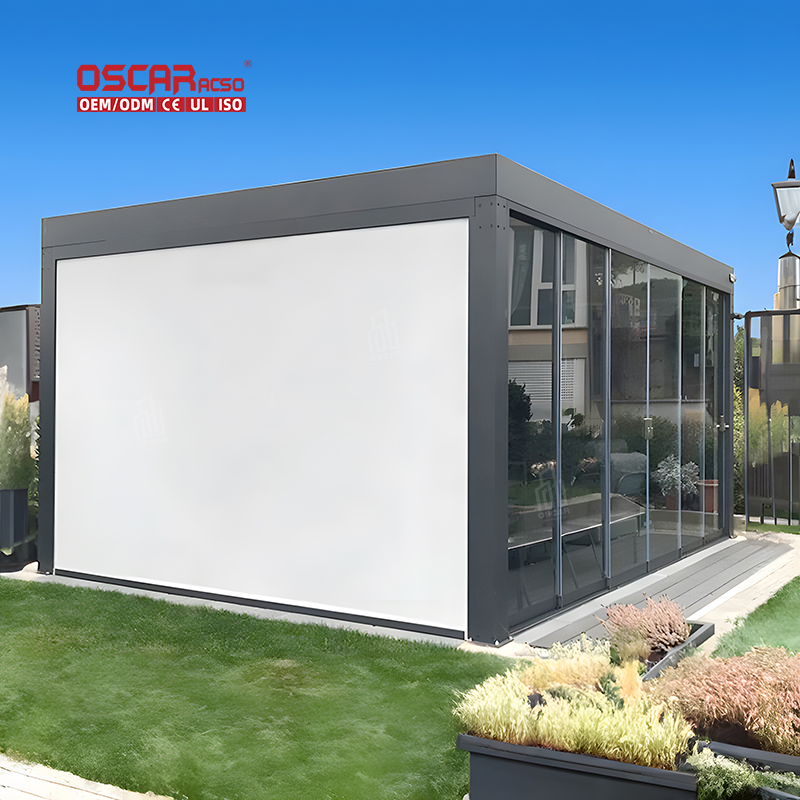
.jpg "outdoor sliding pergola cover")

.jpg "outdoor sliding pergola cover")
.jpg "outdoor sliding pergola cover")