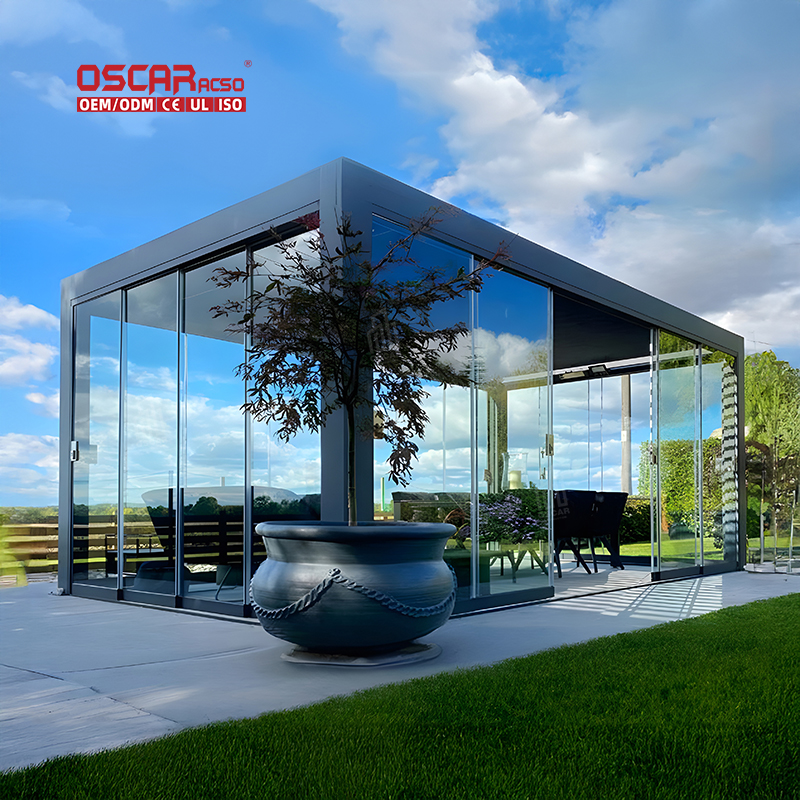
Dreaming of a seamless blend between your indoor comfort and outdoor beauty? That dream often starts with a pivotal question: Can a pergola be attached to a house? 🏡 The exciting answer is yes, absolutely! Attaching a pergola directly to your home is not just possible; it’s a brilliant way to create a structured and inviting outdoor living room. This connection transforms your patio or deck into a natural extension of your home, perfect for relaxation and entertaining. However, achieving this elegant look requires careful planning, a solid understanding of structural principles, and adherence to local regulations to ensure a safe and stunning result.
Why Attach? The Allure of an Integrated Outdoor Room
So, why would you choose an attached pergola over a freestanding one? The benefits are compelling and go far beyond mere aesthetics.The biggest advantage is the seamless integration it offers. An attached pergola creates a graceful and natural transition from your interior spaces to your garden, effectively expanding your living area without the need for expensive indoor renovations. It makes your garden look more expensive and thoughtfully designed.From a practical standpoint, attached pergolas are often more cost-efficient. Because one side is supported by your house’s structure, they typically require fewer posts and less material than a freestanding alternative, which can reduce both material and labor costs.They also excel in space conservation. By utilizing the side of your home, they free up more of your yard for other uses, a major plus for properties with limited square footage. Furthermore, when positioned against a protective wall, they can provide enhanced shelter from prevailing winds or harsh afternoon sun, depending on your home’s orientation.
🚧 Crucial Considerations Before Drilling Your First Hole
Attaching a structure to your home is a significant project. Before you begin, several critical factors must be evaluated to ensure success and safety.The most important step is assessing your home’s structural integrity. The attachment point on your house must be capable of supporting the additional weight and stress from the pergola, including potential snow loads. This often means securing the ledger board (the horizontal board that attaches to your house) directly to the home’s framing studs or rim joist, not just the siding or facade. When in doubt, consulting a structural engineer is a wise investment.Next, you must check local building codes and permitting requirements. While many smaller pergola projects fall under “permitted development” and don’t require a permit, there are exceptions. Rules are stricter if your home is listed, in a conservation area, or if you want to attach the pergola to the front or side of your house. There are also usually height restrictions if the structure is near a property boundary.Water management is non-negotiable. Proper flashing and sealing where the pergola meets your house are essential to prevent water infiltration, which can lead to costly rot and mold damage. Installing flashing above the ledger board and using high-quality sealant is critical. You should also consider the pergola’s pitch to encourage water to run awayfrom your home.
The How-To: Mastering the Attachment Process
While every project is unique, the general process for securely attaching a pergola follows these key steps:
1. Planning & Marking: Choose the perfect location, considering sun exposure, traffic flow, and access from your home. Use a measuring tape and level to meticulously mark the attachment points on your house.
2. Ledger Board Installation: This is the backbone of the attachment. The ledger board must be securely fastened to the house’s structural framing using heavy-duty lag bolts or screws, ensuring it is perfectly level.
3. Post Footings: Dig holes for the support posts, ensuring they are below the frost line. Set the posts in concrete footings for maximum stability, using a level to ensure they are perfectly plumb.
4. Attaching Beams & Rafters: Once the posts are set and the concrete has cured, secure the main beams to the ledger board and the tops of the posts. Then, add the rafters perpendicularly, spacing them evenly.
5. Final Waterproofing: Apply sealant to all attachment points and ensure flashing is properly installed to create a watertight seal against your home’s exterior.
Material Match: Choosing the Right Frame for Your Home
Your choice of material impacts aesthetics, maintenance, and even the attachment method.
• Wood: A classic choice that offers timeless beauty and versatility. However, it requires regular maintenance like staining or sealing to protect it from moisture and pests.
• Aluminum: A champion of modern design, aluminum is lightweight, rust-resistant, and incredibly low-maintenance. It’s often the material used for high-end, motorized louvered systems.
• Vinyl: Offers a clean look and is resistant to rot and insects, requiring very little upkeep beyond occasional cleaning. It’s a great “set it and forget it” option.
The best material for your home depends on your style, maintenance willingness, and budget. A wooden pergola might complement a traditional home, while a sleek aluminum design could be perfect for a modern facade.
DIY vs. Pro: Navigating the Installation Crossroad
This is a major decision. While a DIY installation can be cost-effective and personally satisfying, it demands a high skill level, knowledge of construction techniques, and the right tools. Mistakes in measuring, levelling, or especially in securing the structure to your home can lead to safety hazards or costly damage.Hiring a professional installer brings expertise, efficiency, and often a warranty on their work. They will handle permit applications, ensure the structure is perfectly sound, and navigate complex issues like integrating with existing gutters. For most homeowners, especially those attaching a large or complex pergola, the peace of mind offered by a pro is worth the investment.
✨ Beyond the Basics: Personalizing Your Pergola Paradise
Once the structure is up, the real fun begins! Personalize your new outdoor room to make it uniquely yours.
• 💡 Lighting: String lights, integrated LEDs, or hanging lanterns create a magical ambiance for evening enjoyment.
• 🌿 Greenery: Train climbing vines like wisteria or clematis to weave through the beams for natural shade and a lush, green canopy.
• 🪑 Furniture: Plush outdoor sofas and a dining set turn the space into a true living area.
• 🪟 Privacy & Shelter: Add retractable side screens or outdoor curtains for added privacy and protection from the elements.
An attached pergola is more than just a shade structure; it’s a lifestyle upgrade. It’s a powerful tool for reimagining your backyard, creating a defined, beautiful, and functional outdoor room that reflects your personal style and maximizes your enjoyment of your home. It’s the cornerstone of countless future memories, from quiet morning coffees to lively gatherings under the stars. By prioritizing structural integrity, smart waterproofing, and thoughtful design, you invest in a feature that enhances your daily life and adds lasting value to your property.


.jpg "can pergola be attached to house")
.jpg "can pergola be attached to house")