

Nature’s Living Canopy: The Magic of Leafy Pergola Ceilings 🌿
.jpg "pergola ceiling leaves")
Imagine stepping into your garden and being greeted by a lush, green ceiling that filters sunlight, provides shade, and moves gracefully with the breeze. That’s the enchantment of a pergola adorned with living leaves. Unlike static structures, a leafy pergola ceiling evolves with the seasons, offering dynamic beauty and ecological benefits. It’s not just about shade—it’s about creating a living, breathing outdoor room that connects you with nature.
I’ve always believed that the best outdoor spaces blur the line between architecture and the natural world. A pergola crowned with leaves does exactly that, weaving together design and ecology into a seamless experience.
Top Plants for a Leafy Pergola Ceiling
Choosing the right plants is crucial for achieving both aesthetic appeal and functional coverage. Here are some exceptional options:
- •
Virginia Creeper (Parthenocissus) 🍁: Known for its stunning seasonal color changes, this robust climber turns from vibrant green in summer to fiery crimson in autumn. It’s hardy, can withstand temperatures as low as -20°C, and clings effortlessly to surfaces with its adhesive pads.
- •
Grapevine (Vitis) 🍇: A classic choice that combines practicality with beauty. Beyond providing dense shade with its large leaves, it can yield edible fruit. It typically takes 2-3 years to fully cover a pergola but rewards patience with a bountiful, picturesque canopy.
- •
Climbing Hydrangea (Hydrangea petiolaris) 🌸: Ideal for partially shaded areas, this perennial features glossy heart-shaped leaves and fragrant white flowers that bloom from spring to summer. It grows slowly but creates a dense, elegant cover.

- •
Ivy (Hedera helix) 🌿: For a reliably green ceiling even in shade, ivy is a low-maintenance option. It’s evergreen in milder climates, providing year-round coverage, but requires management to prevent overgrowth.
- •
Wisteria 💜: While famous for its fragrant purple blooms, wisteria also produces a dense leaf canopy. It’s a vigorous grower that needs strong support and regular pruning to keep it in check.

Personal Insight: For a multi-sensory experience, I recommend combining plants like Jasmine and Passion Flower. Their fragrant blooms can make evenings under the pergola truly magical, and they attract pollinators like bees and hummingbirds, enhancing your garden’s biodiversity.
Why Choose a Living Leaf Canopy?
A leafy pergola ceiling offers more than just visual appeal; it’s a functional upgrade to your outdoor living space.
- •
Natural Temperature Control: Leaves provide shade and release moisture through transpiration, cooling the air beneath the pergola. This can make the area up to 10 degrees cooler than surrounding spaces, creating a comfortable retreat on hot days.
- •
Ecological Benefits: Leafy canopies improve air quality by absorbing carbon dioxide and other pollutants. They also offer habitat and food for birds and beneficial insects, turning your pergola into a small ecosystem.
- •
Seasonal Dynamics: Unlike a fixed roof, a living canopy changes with the seasons. You get fresh green growth in spring, dense shade in summer, spectacular colors in autumn, and interesting branch patterns in winter.

Essential Planting and Care Tips
To ensure your leafy ceiling thrives, consider these guidelines:
- •
Planting Time: The ideal time to plant many vines, like grapevines, is during their dormant season, typically from October to March. Early spring is also favorable to avoid winter frost damage to young plants.
- •
Soil and Support: Ensure the soil is loose, loamy, and nutrient-rich. Good drainage is essential. For support, install a sturdy structure—horizontal wires spaced 12-18 inches apart work well for guiding growth.
- •
Training and Pruning: Gently guide young vines along the pergola beams. Use soft ties to avoid damaging stems. Annual pruning is vital; for grapevines, prune in early spring before growth starts. This encourages fruit production and manages size.
- •
Watering and Feeding: Water new plants regularly to establish roots. Mature vines may need supplemental watering during dry spells. Apply a balanced fertilizer annually in spring to support healthy growth.
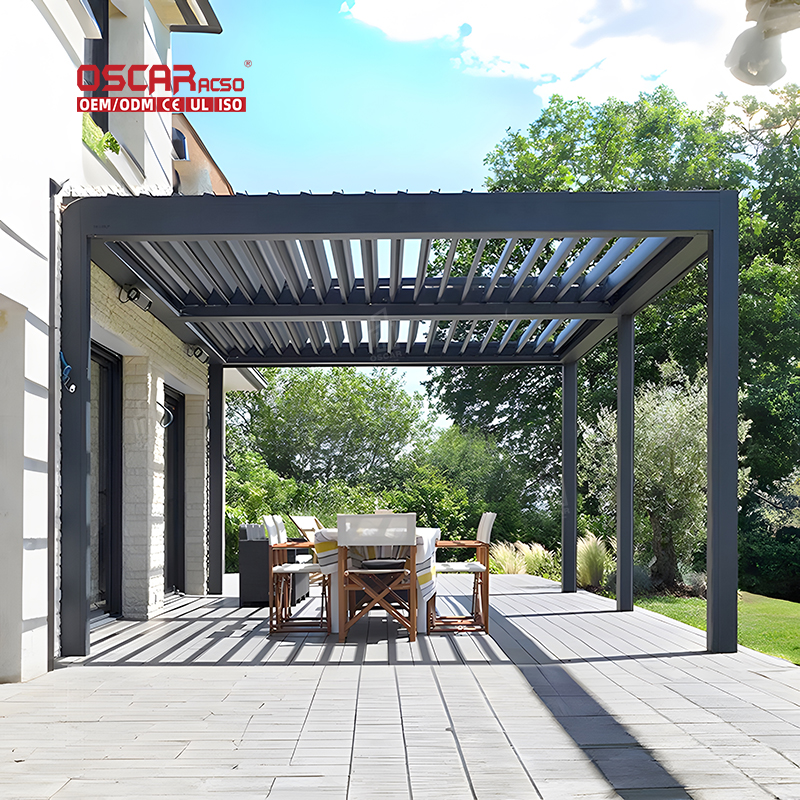
.jpg "pergola ceiling leaves")
Pro Tip: If your pergola is on a hard surface like paving, consider planting vines in large, deep containers with rich soil to ensure they have enough space and nutrients to thrive.
Design Ideas and Inspirations
Integrating a leafy ceiling into your pergola design can be both creative and practical.
- •
Create a Green Tunnel: Train vines like Wisteria or Virginia Creeper over a pergola-covered pathway. This transforms a simple walkway into a dramatic, shaded tunnel that feels like a journey through nature.
- •
Mix Materials for Texture: Combine natural vines with other elements. Wooden beams offer a rustic feel, while integrated string lights or outdoor lanterns can add a magical glow for evening enjoyment.
- •
Add Privacy with Curtains: For a more intimate space, complement your leafy canopy with weather-resistant fabric drapes. They can be drawn for privacy and add a soft, elegant texture to the structure.
Addressing Common Concerns
Many wonder if vines can damage their pergola. Most climbing plants, like Virginia Creeper, cling with tendrils and pads without harming the structure. However, it’s wise to avoid letting vines grow on painted surfaces or pebbledash, as they can be difficult to remove.
Another question is about maintenance. While leafy ceilings require some care, choosing disease-resistant varieties like Clematis or Akebia can minimize upkeep. Regular pruning keeps them healthy and manageable.
Final Thought: A leafy pergola ceiling is more than a garden feature; it’s a living investment. It teaches patience—watching tendrils slowly climb and weave overhead—and rewards you with a ever-changing, natural masterpiece right in your backyard. It’s a perfect way to blend artistry with ecology, creating a space that’s both beautiful and beneficial.