

Ever gazed at a beautiful pergola and wondered what magic holds it together? 🤔 Understanding its components is the first step to creating your own outdoor sanctuary. It’s not just about posts and beams; it’s about crafting a durable, stylish structure that blends seamlessly with your landscape and lifestyle. Let’s break down every part, so you can plan, build, or customize with clarity and confidence.
.jpg "pergola components")
The Core Framework: Essential Structural Elements 🏗️
Every pergola relies on a few key components for stability and form. Posts are the vertical pillars that bear the entire weight of the structure. Typically made from sturdy wood like cedar or redwood, or low-maintenance vinyl with aluminum cores, they are anchored deep into the ground, often set in concrete footings for maximum stability . Their strength ensures your pergola can withstand wind and weather.
Beams sit horizontally atop the posts, forming the primary support for the roof framework. In robust designs, double beams (like double 2x8s) are used for added strength . Rafters are then secured perpendicularly across the beams, creating the iconic open-lattice roof. For enhanced durability, some modern kits feature rafters with internal aluminum reinforcements . This foundational trio—posts, beams, and rafters—work in concert to define the pergola’s size, shape, and structural integrity.
Hardware & Anchoring: The Invisible Heroes 🔩
The right hardware is what transforms individual pieces into a solid, lasting structure. Stainless steel hardware and galvanized post anchors are crucial for resisting corrosion and ensuring a long life . Specialty brackets, like hurricane brackets, can be added at beam-and-rafter intersections to provide exceptional wind resistance, with some manufacturers offering lifetime warranties against wind damage when these are properly installed .
For pergolas attached to your home, a ledger board is indispensable. This is a horizontal board securely anchored to your house’s wall framing, providing a solid foundation for the attached side of the pergola . It’s a critical component for safely distributing the weight and integrating the structure with your home.
Material Deep Dive: Choosing What’s Best for You 🌳
The choice of material impacts not just aesthetics, but also longevity and upkeep.
.jpg "pergola components")
- •
Wood: A classic choice. Cedar and Redwood are popular for their natural resistance to decay and insects, offering a warm, traditional look. Pressure-treated pine is a more budget-friendly option, though it may require more maintenance over time .
- •
Vinyl (PVC): Prized for being virtually maintenance-free. It won’t rot, warp, or peel, and it never needs painting. High-quality vinyl pergolas often have an internal aluminum frame for structural strength, combining the best of both worlds .
- •
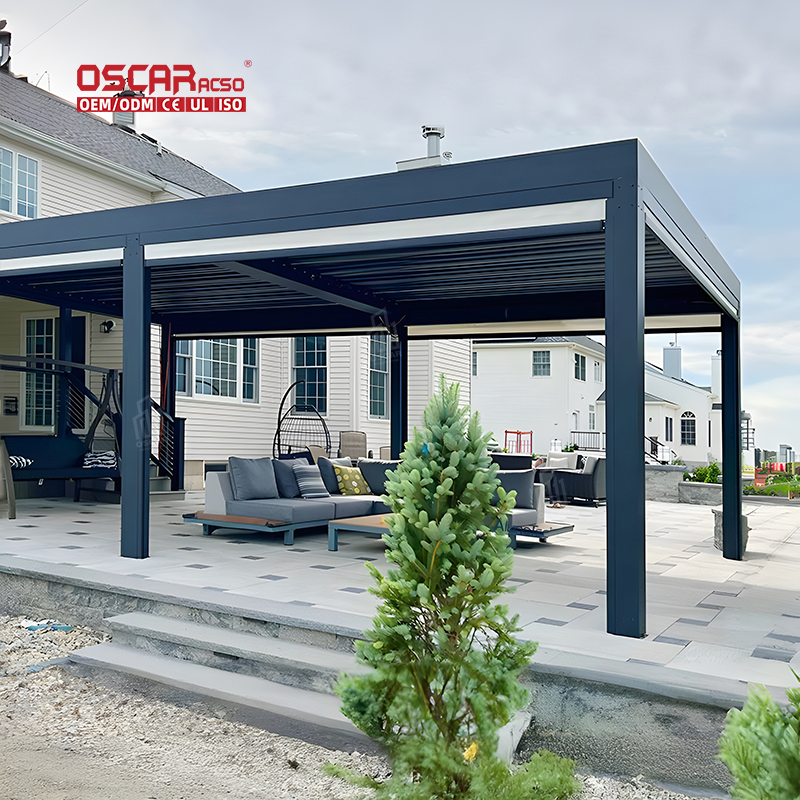
Metal: Aluminum pergolas offer a sleek, modern look and are naturally rust-resistant, especially with powder-coated finishes. Some designs even incorporate glass panels for a more enclosed, contemporary feel .
My personal take? While wood is timeless, the low-maintenance appeal of vinyl with aluminum cores is hard to beat for long-term value. It’s a set-and-forget solution that stays beautiful for decades.

Key Add-ons & Customization Options 🌟
Why stop at the basics? Accessories can elevate your pergola from a simple structure to a true outdoor living room.
- •
Shade Solutions: While the open lattice creates dappled light, you can add retractable canopies or shade cloths for adjustable sun protection . For a natural touch, grow climbing plants like wisteria or grapevines 🍇.
- •
Lighting & Ambiance: Weave solar string lights across the rafters or install integrated low-voltage lighting systems to create a magical atmosphere for evening entertaining .
- •
Privacy & Comfort: Outdoor curtains can add a soft, billowing texture and provide privacy from neighbors .
Design & Installation Considerations 🔨
A successful project starts with a solid plan. Always check local building codes before you dig your first post hole. The standard pergola height is usually between 8 to 10 feet to feel spacious without being overwhelming . For stability, posts should be set in concrete footings dug below the frost line, which can be 2-3 feet deep depending on your climate .
You can choose between freestanding pergolas, which are versatile in placement, and attached pergolas, which connect to your home via a ledger board . For most DIY enthusiasts, a pre-cut kit with detailed instructions is the way to go, as it simplifies the process immensely .
Maintenance for Longevity: Keep It Pristine ✨
A little care goes a long way in preserving your investment.
- •
Wood Pergolas: Require the most upkeep. A fresh coat of stain or sealant every couple of years is recommended to protect against moisture and UV damage .
- •
Vinyl & Aluminum Pergolas: Are famously low-maintenance. Typically, a simple rinse with soap and water is all that’s needed to keep them looking new .

.jpg "pergola components")
From my experience, scheduling an annual inspection of all hardware and connections is a wise habit. Tightening a few screws proactively can prevent issues down the road.
Understanding pergola components empowers you to make informed decisions, whether you’re building it yourself or overseeing a project. Each part plays a role in creating that perfect blend of shade, style, and serenity in your backyard.