


Are pergola covers waterproof? The answer is both yes and no 🤔. It completely depends on the specific material, construction quality, and installation method you choose. While many covers offer excellent water resistance, only certain types provide true, 100% waterproof protection that can withstand a heavy downpour. Understanding this difference is key to selecting the perfect cover for your outdoor sanctuary.
Not All Covers Are Created Equal: Water-Resistant vs. Waterproof
The first critical concept to grasp is the distinction between water-resistant and fully waterproof covers.
- •
Water-Resistant: These materials, like some polyethylene shade cloths, can handle light drizzle or brief rain but may allow water to seep through under sustained or heavy rainfall. They often have a lower denier or thread count and are primarily designed for sun protection .
- •
Fully Waterproof: These materials, such as vinyl (PVC), polycarbonate panels, or heavily coated fabrics, form an impermeable barrier. They are engineered to block all water penetration, ensuring you and your furniture stay completely dry during a storm .
💡 So, how can I tell if a cover is truly waterproof?
Always check the product’s specifications! Look for keywords like “100% waterproof,” “impermeable,” or specific ratings like “18oz vinyl” which denotes a thick, durable, and fully waterproof material. Be wary of terms like “water-repellent” or “weather-resistant,” which often indicate a lower level of protection .
The Top Contenders: Waterproof Cover Materials Breakdown
Your choice of material is the single most important factor in achieving a dry outdoor space.
- •
Vinyl (PVC) Covers: The durable workhorse of waterproof covers. Made from materials like 18oz vinyl, they are fully waterproof, UV-resistant, and often mold and mildew resistant. They offer a robust, long-lasting solution (5-10 years) that requires minimal maintenance, though installation can be more involved .
- •
Polycarbonate Panels: The modern and sleek option. These solid, translucent panels are 100% waterproof and allow natural light to filter through while blocking harmful UV rays 🌞. They are incredibly durable, with a typical lifespan of 10+ years, and are excellent for creating a bright, weather-protected space. They often require a more permanent installation framework .

- •
Coated Fabrics (Polyester, Canvas): The versatile performers. High-quality fabrics like 1,000-denier PVC-coated polyester or treated canvas are engineered to be fully waterproof. Brands like Sunbrella offer solutions that are not only functional but also aesthetically pleasing, blending into your outdoor decor. They balance durability with a softer look .
- •
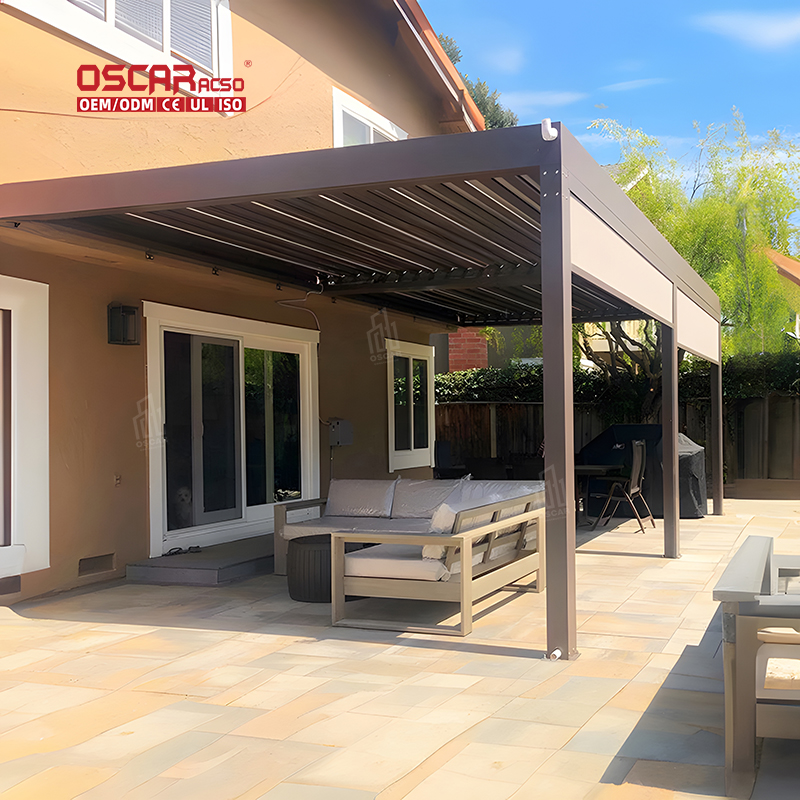
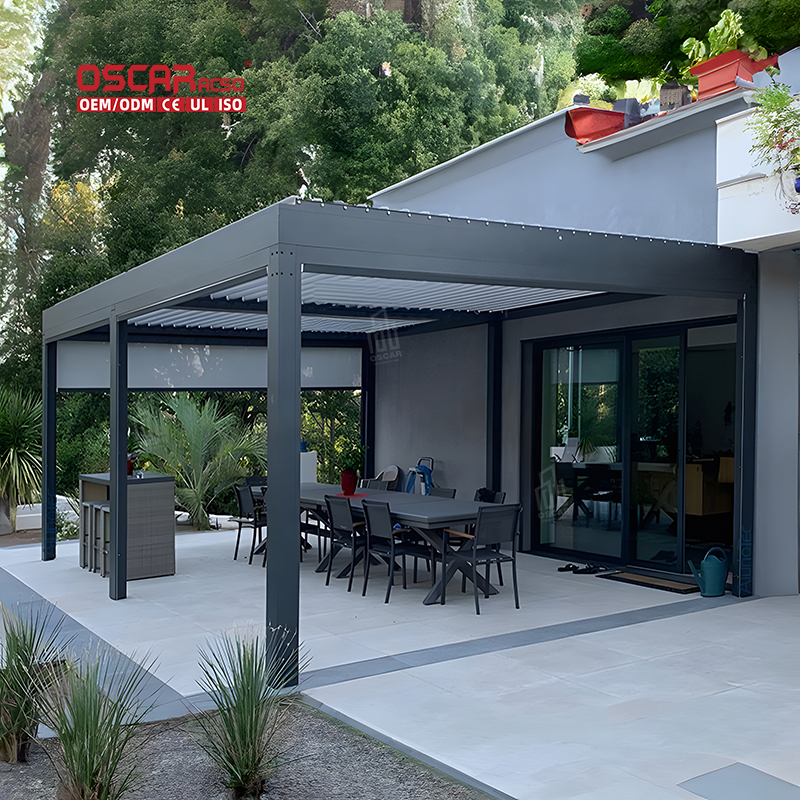
Retractable Awnings & Louvered Roofs: The smart and flexible choice. These systems, often made from waterproof acrylic or PVC fabrics, offer ultimate control. With the push of a button, you can extend the cover for rain protection or retract it to enjoy an open sky. Some advanced models even feature integrated gutters and rain sensors for automatic operation ☔ .
Beyond the Material: Keys to Ensuring Actual Waterproofing
Choosing a waterproof material is only half the battle. Proper installation and design are crucial to prevent leaks and pooling.

- •
The Slope is Non-Negotiable: A slight slope (至少1/4 inch per foot) is absolutely essential for proper water runoff. A flat cover will inevitably lead to water pooling, which can strain the fabric, cause sagging, and eventually lead to leakage or damage .
- •
Tension is Your Best Friend: For fabric covers, keeping the material taut is critical. A loose, sagging cover will create pockets where water can collect. Use built-in tension systems, ratchet straps, or support rods to ensure the cover is drum-tight .
- •
The Power of Gutters and Drainage: For permanent solid covers like polycarbonate or metal roofs, integrating a simple gutter system is a game-changer. It directs water away from the structure and the seating area below, preventing a waterfall effect off the edges and protecting your pergola’s base and foundation .
✨ Pro Tip: Combat Water Pooling
Even the best cover can pool water if not installed correctly. Simple solutions like angled mounting brackets for panels or crossbars for fabric covers can create the necessary pitch. Regularly clearing debris like leaves is also vital, as it can block drainage and create low spots .
Installation & Maintenance: Protecting Your Investment
A waterproof cover is an investment worth protecting.
- •
Professional Help for Complex Systems: While DIY is possible for simple fabric covers, consider professional installation for louvered roofs, retractable systems, or permanent solid covers. Ensuring they are perfectly level, sloped, and securely fastened is key to their long-term performance and warranty .
- •
Routine Care for Longevity:
- •
Clean Regularly: Use mild soap and water to prevent dirt and organic matter from degrading coatings.
- •
Inspect Seasonally: Check for tears, loose fasteners, or wear and tear, especially after severe weather.
- •
Re-tension Fabrics: Over time, fabrics may stretch; check tension periodically.
- •
Winter Care: In harsh climates, consider removing and storing retractable fabric covers to extend their life .
- •
Making the Right Choice: What to Consider
Selecting the perfect cover involves weighing several factors:
- •
Climate: Do you face heavy rain, strong sun, or high winds?
- •
Budget: Costs range from affordable polyethylene cloth to investment-grade louvered systems.
- •
Aesthetics: Do you want a transparent, solid, or fabric look?
- •
Functionality: Do you desire fixed protection or adjustable flexibility?
- •
Durability vs. Maintenance: Are you willing to perform regular maintenance for a natural look, or do you prefer a low-maintenance but potentially more expensive material?

The ideal pergola cover seamlessly blends form and function. By investing in a truly waterproof solution and ensuring it’s installed with proper slope and tension, you transform your pergola from a fair-weather feature into a year-round outdoor room 🏡. This not only enhances your daily living experience but also adds significant value and appeal to your property. Remember, the goal is to create a space where you can relax without ever worrying about the weather forecast.