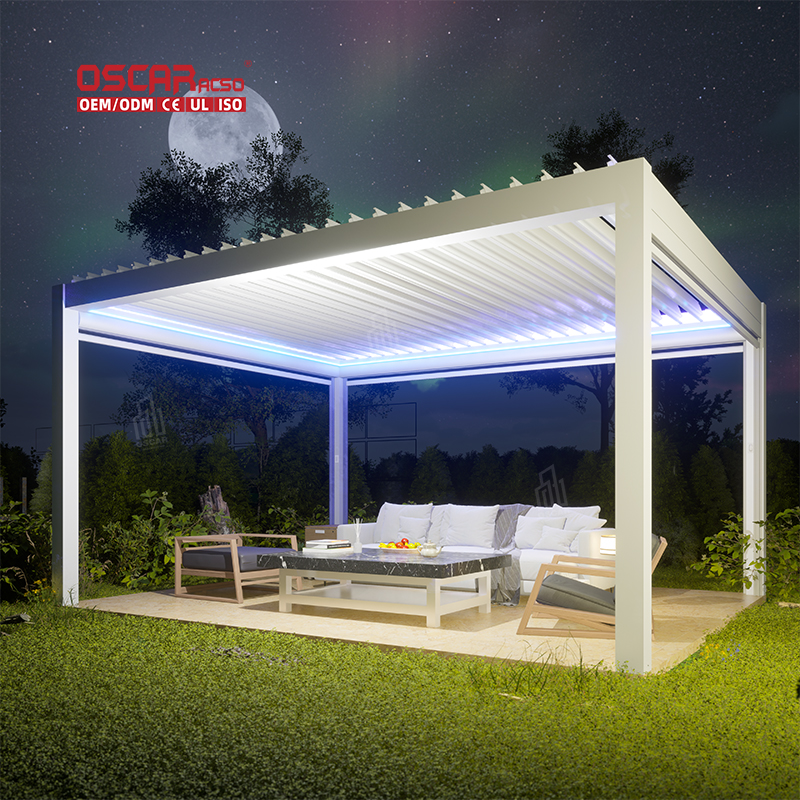
Imagine transforming your bland backyard into a stunning outdoor living room where you can host barbecues, read a book in the shade, or simply enjoy a cup of coffee surrounded by nature. 🌿 Building a pergola yourself is not just a project; it’s a gateway to creating those precious moments. And the best part? You can achieve this for a fraction of the cost of a professional installation, often between 500and1,500 compared to 4,000−8,000 . It’s a rewarding adventure that blends creativity, practicality, and a huge dose of satisfaction.
Why Go the DIY Route? 🤔
So, why should you pick up a saw instead of your phone to call a contractor? The reasons are more compelling than you might think. First, the sense of accomplishment is unparalleled. There’s a unique pride in relaxing under a structure you built with your own hands. Second, you have complete creative control. Want a modern minimalist design or a rustic vine-covered retreat? The choice is entirely yours, allowing you to tailor the pergola to your home’s aesthetic and your personal style . Finally, the significant cost savings mean you can allocate your budget to high-quality furniture, a fire pit, or beautiful climbing plants.
Laying the Groundwork: Plan Like a Pro 🗺️
What’s the first step you should never skip? Thorough planning! Rushing into construction is the most common mistake. Start by choosing the perfect location. Observe how the sun moves across your yard throughout the day. If you desire a shady seating area, an east or south orientation is ideal, while a west-facing spot captures the evening light . Also, consider the view from your house windows and ensure you’re not building over underground utilities .Next, sketch a simple design. This doesn’t need to be an architect’s blueprint, but a clear drawing will be your best friend. It helps you visualize the space, determine material quantities, and avoid costly errors. Standard sizes like 10×10 feet or 12×12 feet are great starting points . Your material choice is crucial here:
• Pressure-Treated Lumber: A fantastic budget-friendly option, costing around 10−15 per linear foot .
• Cedar: Slightly more expensive but offers natural resistance to rot and insects, saving money on long-term maintenance .
• Metal or Composite Materials: For a contemporary look and exceptional durability, though often at a higher price point .
My personal tip? When buying wood, hand-pick each piece. Look for straight planks without visible flaws like cracks, knots, or twists . This attention to detail at the start ensures a smoother build and a more professional-looking result.
The Build: Your Step-by-Step Adventure 🛠️
Let’s break down the construction into manageable phases. With basic tools like a drill, circular saw, level, and a post-hole digger, you’re well-equipped for the task .
1. Site Preparation & Post Setting: This is the foundation of your project—literally! Clear the area of debris and vegetation. Then, dig holes for your posts; these should be at least 2 feet deep to ensure stability in various weather conditions . Use quick-setting concrete to secure the posts, constantly checking with a level that they are perfectly vertical. This is non-negotiable for a sturdy structure. Allow the concrete to cure for 24-48 hours .
2. Framing the Structure: Once the posts are solid, attach the main horizontal beams to connect them. Use heavy-duty exterior screws and metal brackets for added strength . The key here is to ensure everything is square. Measure the diagonals; if they are equal, your frame is perfectly aligned .
3. Adding the Roof Rafters: This is where the classic pergola look comes to life. Space the rafters evenly across the top beams, typically every 16 to 24 inches. You can get creative here with decorative cuts or alternating widths for visual interest . Drill pilot holes before screwing them in to prevent the wood from splitting .
Beyond the Basics: Personalize Your Paradise 🌸
A pergola is more than just wood and screws; it’s a canvas for your personality. How can you make it truly yours?
• Greenery and Shade: Encourage climbing plants like jasmine, wisteria, or clematis to weave through the structure. They provide natural shade and a breathtaking floral display . For instant coverage, consider attaching a weather-resistant fabric tarp or installing adjustable louvered roof panels .
• Ambiance with Lighting: As the sun sets, the party doesn’t have to end. Drape string lights or hang solar-powered lanterns to create a magical evening atmosphere. It’s an simple upgrade that makes a huge impact .
• Privacy and Comfort: Add outdoor-resistant curtains to the sides for intimacy and protection from wind. This transforms your pergola into a cozy, room-like space .
I’ve found that the most inviting pergolas are those that reflect the owner’s lifestyle. Don’t be afraid to experiment!
Your DIY Pergola Questions, Answered! ❓
Q: I’m a beginner. Is this project too difficult for me?A: Not at all! While it requires patience and careful measurement, a basic pergola is a achievable weekend project for someone with fundamental DIY skills. Many plans are designed with beginners in mind . The key is to take your time and double-check every step.Q: Do I need a building permit?A: Regulations vary significantly by region. It is highly recommended to contact your local building authority during the planning phase to determine if a permit is required for your project. A scale drawing of your plan can be helpful for this inquiry .Q: How do I protect my pergola from the elements?A: After construction, sand any rough edges and apply a coat of exterior-grade stain or sealant. This not only protects the wood from moisture and UV rays but also enhances its appearance. An annual check-up to touch up the finish and tighten any loose screws will keep it looking great for years .A little-known fact that can save you headaches: pressure-treated wood needs to dry out for a few weeks before you can effectively apply a stain. If you stain it immediately, the finish may not penetrate properly or may peel. Patience in finishing is as important as patience in building.


.jpg "pergola diy")