Imagine stepping into your garden and being greeted by a cascade of colorful blooms overhead, where the air is filled with the sweet perfume of flowers and the gentle hum of bees 🐝. This isn’t just a daydream—it’s the reality of a flower-covered pergola. But what makes this structure so much more than just a garden feature? It’s the living, breathing canopy that transforms ordinary space into an extraordinary retreat. A pergola designed for flowers isn’t merely a support; it’s a stage where nature performs its daily show, offering shade, beauty, and a profound sense of peace 🌸.
Why a Flower-Covered Pergola is a Game-Changer for Your Garden 🌿
Why should you consider dedicating your pergola to flowers? The benefits are both visual and visceral. Firstly, it creates a natural cooling system. As climbing plants weave across the overhead beams, they provide dappled shade that feels significantly cooler than a solid roof, making your outdoor space usable even on hot summer days . Secondly, it’s a masterstroke in vertical gardening. For those with limited ground space, a pergola allows you to maximize growing area upwards, turning an unused vertical plane into a lush, flowering tapestry . But beyond practicality, it’s an emotional experience. There’s something inherently magical about dining or reading under a ceiling of wisteria or roses—it connects you to the rhythms of nature in a way that few other garden elements can.What about maintenance? You might think a flower pergola requires constant care, but many climbing plants are surprisingly low-maintenance once established. Choosing native species or drought-tolerant vines can significantly reduce your watering and pruning chores .
Choosing the Right Blooms: A Guide to Pergola-Perfect Plants 🌺
Selecting the right flowers is the heart of the project. Not every plant is suited for overhead glory. You need vigorous climbers that are both beautiful and sturdy.
• For Rapid Color and Fragrance: Star Jasmine is a superstar. Its evergreen foliage provides year-round interest, and the small, white star-shaped flowers release an intoxicating scent on summer evenings ☀️. It’s a self-clinging climber that doesn’t need much attention once established . Similarly, Honeysuckle (Lonicera) offers twining growth and deliciously perfumed flowers that are a magnet for pollinators like hummingbirds .
• For a Classic Romantic Look: You can’t go wrong with Climbing Roses. Varieties like ‘Eden’ or ‘Cecile Brunner’ provide months of lush, fragrant blooms that evoke a timeless, cottage-garden charm. For a truly fairytale effect, Wisteria is unparalleled. Its cascading clusters of purple or white flowers in spring create a breathtaking canopy, though it requires a sturdy structure and patience, as it can take 3-5 years to flower fully .
• For a Bold, Modern Statement: Bougainvillea is a fantastic choice for sunny climates. Its vibrant, papery bracts in magenta, orange, or crimson provide a long-lasting explosion of color with minimal water needs once established. It’s a hardy, fast-growing climber that makes a real impact .
• For the Edible Landscape: Why not combine beauty with function? Grapevines provide a dense, leafy canopy and the bonus of succulent fruit hanging overhead. Scarlet Runner Beans offer bold red blooms that are also edible, creating a playful and productive pergola .
Design Inspirations: From Cottagecore to Modern Minimalism 🏡
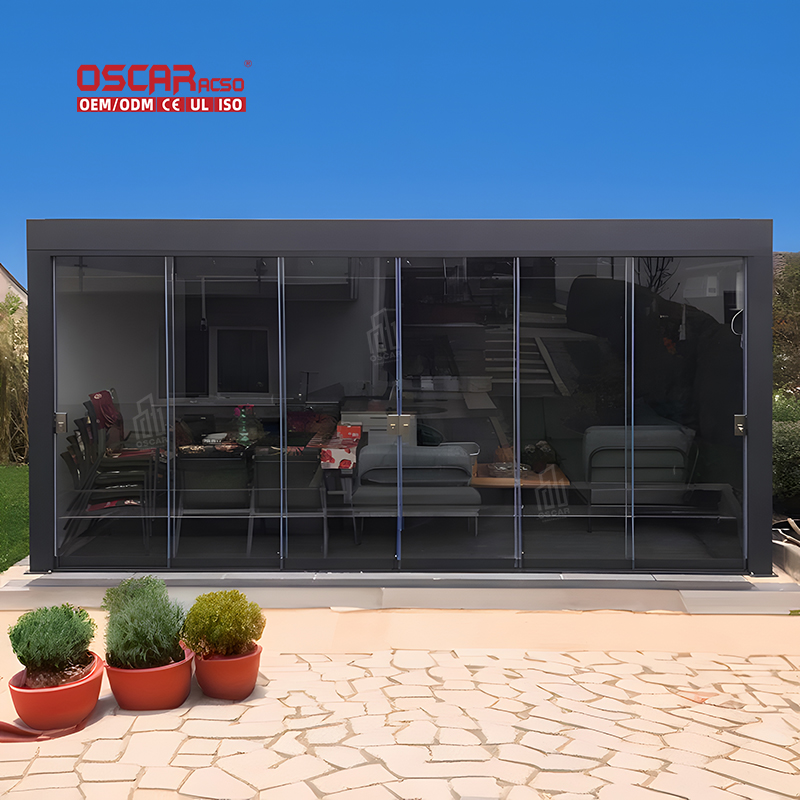
Your flower pergola should reflect your personal style. The great news is that this structure is incredibly adaptable.The Cottagecore Dream: This style is all about softness and abundance. Imagine a wooden pergola draped in a mix of sweet peas, clematis, and climbing roses. The key is layering—allow plants to intertwine naturally for a casually elegant, “lived-in” look. Add an outdoor rug, vintage bistro chairs, and solar-powered fairy lights for a cozy, whimsical vibe that feels straight out of a storybook .The Mediterranean Oasis: Channel the sun-drenched hills of Italy or Greece. Use a pergola as a support for grapevines or bougainvillea. Incorporate terracotta pots filled with herbs like rosemary and thyme at the base. The goal is to create a warm, rustic retreat perfect for al fresco dining and relaxation .The Modern Minimalist Retreat: For a cleaner aesthetic, a powder-coated metal pergola in charcoal or black provides a striking geometric frame. Train a single type of plant, like star jasmine or a well-manicured clematis, for a sophisticated, uncluttered look. The contrast between the dark metal and the green foliage is exceptionally elegant . This design pairs beautifully with sleek outdoor furniture and minimalist planting schemes.
Pro Tips for Installation and Long-Term Success 🔧
Building a pergola for flowers requires a bit more foresight than a standard structure. The weight of mature plants, especially when wet, is considerable.Start with a Sturdy Foundation: This is non-negotiable. Your pergola must be built to support the future weight of dense, flowering vines. For heavy growers like wisteria or grapevines, ensure posts are securely set in concrete footings that extend below the frost line to prevent heaving . Metal pergolas, often made from powder-coated steel, offer inherent strength and durability with minimal maintenance .Training and Tying is Key: Don’t just plant and hope for the best. As vines begin to grow, gently train them onto the structure using soft garden ties or jute string. Avoid plastic ties that can cut into stems as they thicken. Regularly guide new growth to ensure even coverage across the pergola .The Importance of Pruning: Regular pruning is not just about aesthetics; it’s about plant health. It encourages blooming and prevents the structure from becoming overwhelmed. For roses, deadhead after flowering to encourage a second flush. For wisteria, prune twice a year—in late winter and mid-summer—to control growth and promote flower buds .A little-known trick for ensuring lush coverage from the start is to plant your climbers in compost-rich soil and keep the roots cool. Many clematis, for example, prefer their “heads in the sun and feet in the shade,” so planting a small groundcover at the base can help immensely .The true success of a flower pergola is measured over years, not months. It’s a living project that evolves and matures, often becoming more beautiful with time. The initial investment in a strong structure and the right plants pays off in decades of shaded, scented, and utterly enchanting garden living ✨.


.jpg "pergola for flowers")

.jpg "pergola for flowers")
.jpg "pergola for flowers")