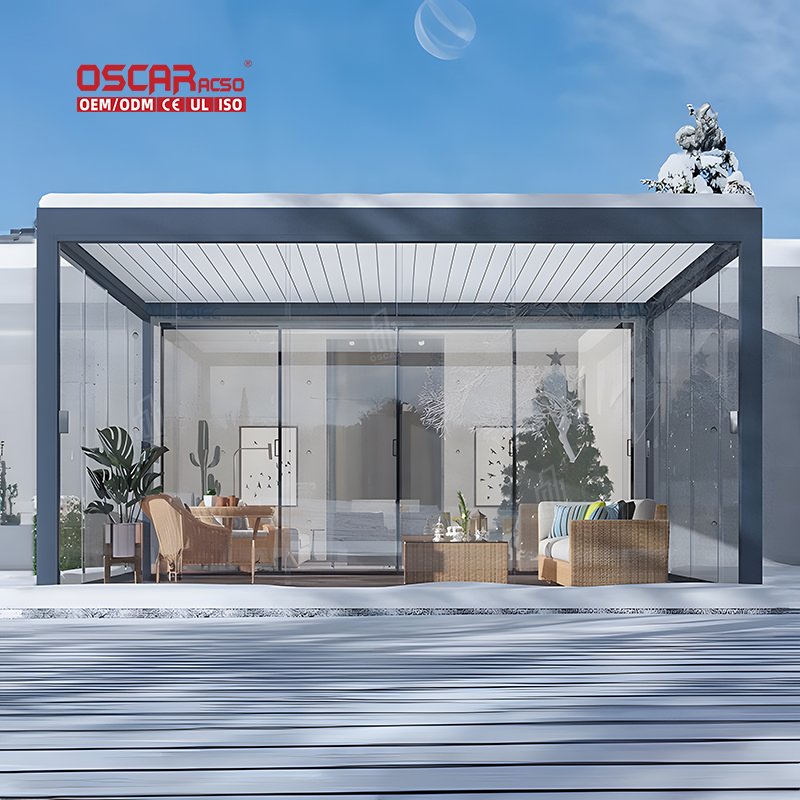
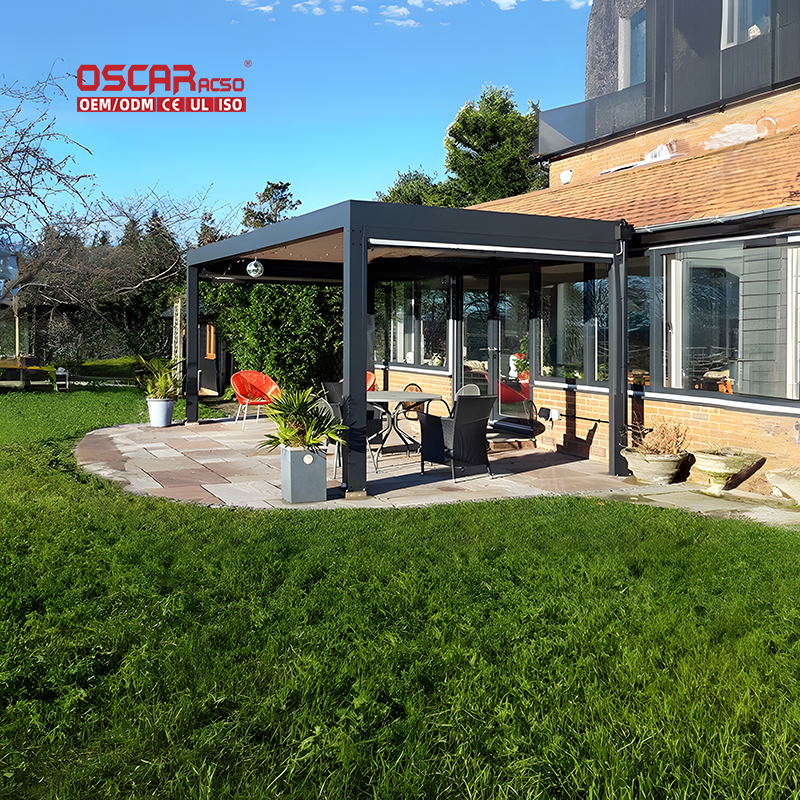
Ever gazed at your backyard and dreamed of creating a perfect outdoor living room? That dream often starts with a simple question: Can a pergola be freestanding? The resounding answer is yes! 🎉 Unlike their attached cousins, freestanding pergolas are versatile, self-supported structures that offer unparalleled flexibility in designing your dream outdoor space. They stand independently on their own posts, allowing you to place them virtually anywhere—be it in the middle of your garden, next to your pool, or over a cozy patio seating area.
The Defining Feature: Independence Meets Design
So, what exactly sets a freestanding pergola apart? Its greatest strength is its lack of reliance on any existing structure. Typically supported by four or more posts, it doesn’t need to be anchored to your house or a wall. This independence is more than just structural; it’s a design superpower. It means you have complete control over the orientation of the shade-providing purlins or louvers. You can rotate the entire structure to perfectly align against the sun’s path, maximizing shade and comfort throughout the day. This creates a beautifully defined outdoor room, a dedicated destination for relaxation and entertainment that feels both intentional and inviting.
Why Choose a Freestanding Pergola? A Symphony of Benefits
Choosing a freestanding design unlocks a world of advantages that can transform how you live outdoors:
• ✨ Ultimate Placement Freedom: The world—or at least your yard—is your oyster! Place it anywhere you have a solid foundation, from concrete patios to decking or even nestled into your garden landscaping.
• 🎛️ Superior Sun Control: With no fixed attachment point, you can position and rotate the pergola to precisely manage sunlight and shade, tailoring the comfort level perfectly to your needs.
• 🌿 Enhanced Privacy: Strategically placed away from the house, it can become a private retreat in your garden, a secluded haven where you can unwind away from prying eyes.
• 📈 Increased Property Value: This isn’t just an aesthetic upgrade; it’s a smart investment. A well-built pergola adds functional, attractive square footage to your living space, boosting your home’s overall appeal and value.
From Rustic to Modern: Exploring Your Design Options
The beauty of the freestanding pergola lies in its incredible adaptability to any style. Whether your taste leans classic or contemporary, there’s a design for you.For a traditional and natural look, wooden pergolas made from cedar or pressure-treated pine are a timeless choice. They offer warm, organic charm but require a commitment to regular staining or sealing to protect against the elements.If modern minimalism is more your speed, sleek aluminum or powder-coated steel structures deliver clean lines and a contemporary vibe. For the ultimate in form and function, louvered pergola systems (often called bioclimatic pergolas) feature adjustable roof blades that you can open, close, or pivot with a remote control to dynamically manage sun, rain, and airflow.For those who desire the look of wood without the high maintenance, vinyl and composite materials are fantastic options. They resist rot, warping, and fading, offering long-lasting durability and beauty with little more than an occasional rinse with a hose.
Material World: Choosing the Right Stuff for Longevity
Your choice of material dramatically affects your pergola’s look, feel, and how much work it requires to maintain.
• Wood: Offers a classic, natural aesthetic but requires regular maintenance like staining or sealing to protect against weathering.
• Aluminum: Durable, rust-resistant, and relatively lightweight. It’s the base material for most modern and motorized louvered systems and requires very little upkeep.
• Vinyl/Composite: Provides the look of wood with maximum durability and minimal maintenance. These materials won’t rot, warp, or fade, making them a great long-term choice.
Key Considerations Before You Build: Installation & upkeep
A successful pergola project requires some thoughtful planning. First, check your local building codes and regulations. Depending on your location and the size of your structure, you may need a permit before you start building.Foundation is everything. A freestanding pergola must be securely anchored to a solid base, whether it’s a concrete patio slab, sturdy deck footings, or permanent landscape columns. Don’t forget to consider practicalities like proximity to electrical outlets if you plan to integrate lighting, fans, or motorized systems.Maintenance will vary by material. While aluminum, vinyl, and composite options mainly need just occasional cleaning, wood structures will require a more dedicated regimen of staining or sealing every few years to preserve their beauty and structural integrity.
Beyond the Structure: Accessorizing Your Outdoor Room
The real magic happens when you personalize your pergola. Think of it as an empty room waiting for your decorator’s touch.
• 💡 Lighting: String lights, integrated LED strips, or hanging lanterns can create a magical ambiance for evening enjoyment.
• 🪑 Furniture: Plush outdoor sofas, cozy armchairs, and a dining set turn the space into a true living area.
• 🌿 Greenery: Encourage climbing plants like wisteria or ivy to weave through the beams for natural shade and a lush, green canopy.
• 🔥 Fire & Heat: Incorporate a fire pit or outdoor heater to extend the usability of your space into cooler seasons.
• 🪟 Privacy & Shelter: Add curtains, drapes, or retractable side screens for added privacy and protection from wind.
A freestanding pergola is far more than just a shade structure; it’s a lifestyle upgrade. It’s a powerful tool for reimagining your backyard, creating a defined, beautiful, and functional outdoor room that reflects your personal style and maximizes your enjoyment of the great outdoors. It’s the cornerstone of your future memories—from quiet morning coffees to lively gatherings under the stars.


.jpg "can pergola be freestanding")
.jpg "can pergola be freestanding")
.jpg "can pergola be freestanding")