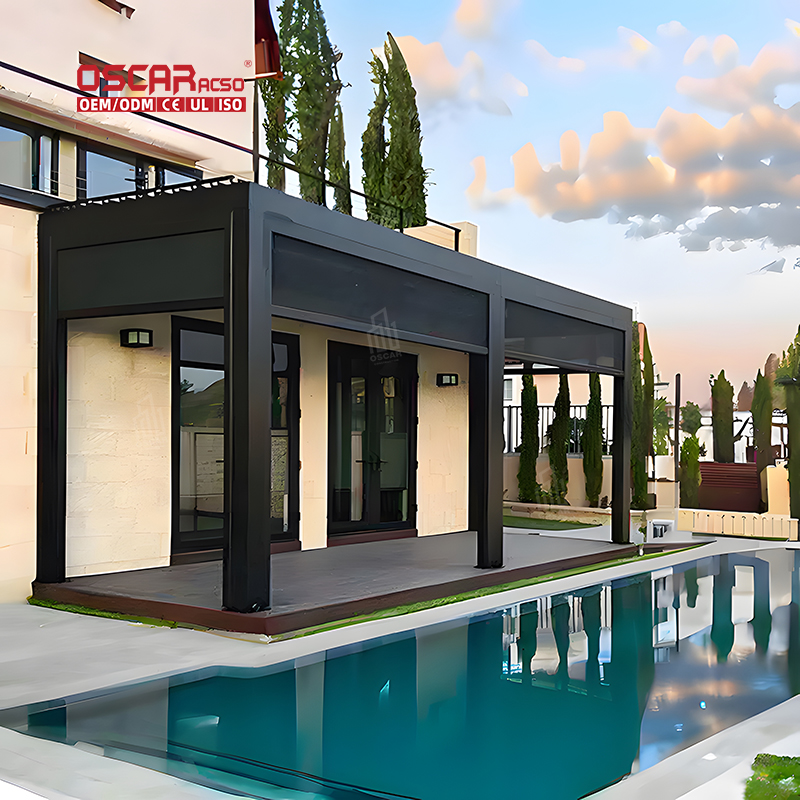
The Ultimate Backyard Upgrade: Why a Pergola Hammock Combo? 🌿
Imagine stepping into your backyard and finding the perfect spot for afternoon naps, one that blends seamlessly with your garden and offers a stylish retreat. This isn’t just about hanging a hammock; it’s about creating an architectural feature that enhances your entire outdoor living space. A pergola-based hammock setup provides the ideal balance of sun and shade, structural integrity, and aesthetic appeal that simple hammock stands can’t match.So why are homeowners increasingly choosing pergolas for their hammocks? The answer lies in the perfect synergy of form and function. While traditional hammock stands are portable, they often lack the permanent, integrated look that elevates a backyard’s design. A pergola, with its vertical posts and open lattice roof, creates a dedicated zone for relaxation that feels like an outdoor room. It’s a game-changer for those who want to move beyond temporary solutions and invest in their property’s value and enjoyment.
Choosing Your Perfect Pergola: A Material Guide 🏗️
Selecting the right material for your pergola is crucial, as it determines not just the look but also the longevity and maintenance requirements of your hammock haven. Each material offers distinct advantages.
• Wood Classics: Cedar and redwood are popular for their natural resistance to rot and insects, offering a traditional, rustic charm. However, they require regular staining or sealing to maintain their appearance. A cedar pergola provides the most value for your investment.
• Low-Maintenance Champions: Vinyl and aluminum pergolas offer a modern look with minimal upkeep. They won’t rot, rust, or require painting, making them a great long-term, weather-resistant option. Aluminum, in particular, is known for its clean lines and contemporary feel.
• Strength and Durability: For a truly robust structure, steel and fiberglass are top contenders. Steel provides an industrial, heavy-duty look but may require rust protection. Fiberglass is highly weather-resistant and can be painted any color, though it comes at a premium price.
The best choice ultimately depends on your local climate, design preferences, and how much maintenance you’re willing to undertake. For a hammock, sturdiness is non-negotiable, so prioritize materials known for their strength and durability.
Installation Showdown: DIY Kit vs. Professional Builder 🔧
You’ve chosen your design and materials, but how do you bring your pergola hammock to life? The installation method you choose can significantly impact the project’s cost, time, and final quality.The DIY Route with a Kit: Prefabricated pergola kits are a fantastic middle ground. They arrive with pre-cut and pre-drilled parts, along with step-by-step instructions. This option is less expensive than hiring a pro and can be a rewarding project for a handy homeowner. A basic DIY kit can cost between 500and2,000. The main challenge? Ensuring the structure is perfectly level and securely anchored, which is absolutely critical for safely supporting a hammock.Hiring a Professional: Opting for a custom-built pergola is the hassle-free choice. A professional builder brings expertise in structural integrity, knowledge of local building codes, and access to high-quality materials. While this is the most expensive option (typically starting around 1,500andgoingupto10,000), it offers peace of mind and a guaranteed, long-lasting result. This is highly recommended if your design is complex or if the pergola will be attached to your home.
My personal take: If you’re an experienced DIYer with a helper, a kit can be a great adventure. But for most people, especially those looking for a permanent, attached structure, the investment in professional installation is worth every penny for the safety and durability it provides.
The Art of Hanging: Securing Your Hammock to the Pergola 🤔
Now for the most important part: how do you safely hang the hammock? Not all pergolas are created equal, and the method depends heavily on the material and construction.The golden rule is to always anchor to a sturdy beam or rafter. For wooden pergolas, use heavy-duty eye screws or lag bolts drilled directly into the overhead beams. On metal pergolas, you can use similar hardware or specialized clamps designed for metal structures. It’s crucial to avoid attaching hardware to any decorative or non-structural elements.A common question is: Can a vinyl pergola support a hammock?The general consensus is to avoid it. Vinyl pergolas are often not designed to handle the dynamic, moving weight of a hammock and may not have the structural strength of wood or metal. Always check the manufacturer’s weight specifications before proceeding.Pro Tip: For the most comfortable lay, hang the foot end of the hammock about one foot higher than the head end. This prevents you from sliding toward the middle and ensures a flat, comfortable sleeping position.
Beyond the Basics: Elevating Your Pergola Hammock Experience ✨
Your pergola hammock setup is functional, but why stop there? Accessories can transform it from a simple lounging spot into a full-fledged outdoor sanctuary.
• Create Ambiance with Lighting: Drape weatherproof string lights across the rafters or hang paper lanterns for a soft, romantic glow in the evenings.
• Add Privacy and Shade: Install retractable side screens or curtains for privacy on windy days. For adjustable shade, consider a retractable canopy or train climbing plants like wisteria or climbing roses to create a living, natural roof.
• Control the Temperature: For ultimate comfort, integrate a ceiling fan for summer breezes or an outdoor-rated heater to extend your hammock season into the cooler months.
These additions personalize your space, making it a true extension of your indoor living area and a destination for relaxation and entertainment year-round.
Final Thoughts: Is It Worth the Investment? 💡
Combining a pergola with a hammock is more than a weekend project; it’s an investment in your home and your well-being. While the upfront cost can be higher than a simple freestanding hammock stand, the benefits are substantial. You gain a permanent, stylish structure that increases property value, provides a versatile outdoor room, and offers a superior, safer anchor point for years of relaxation. The key is to choose quality materials and ensure professional-grade installation, so your backyard paradise remains a source of joy, not a worry.


.jpg "hammock frame standkit pergola")

.jpg "hammock frame standkit pergola")
.jpg "hammock frame standkit pergola")