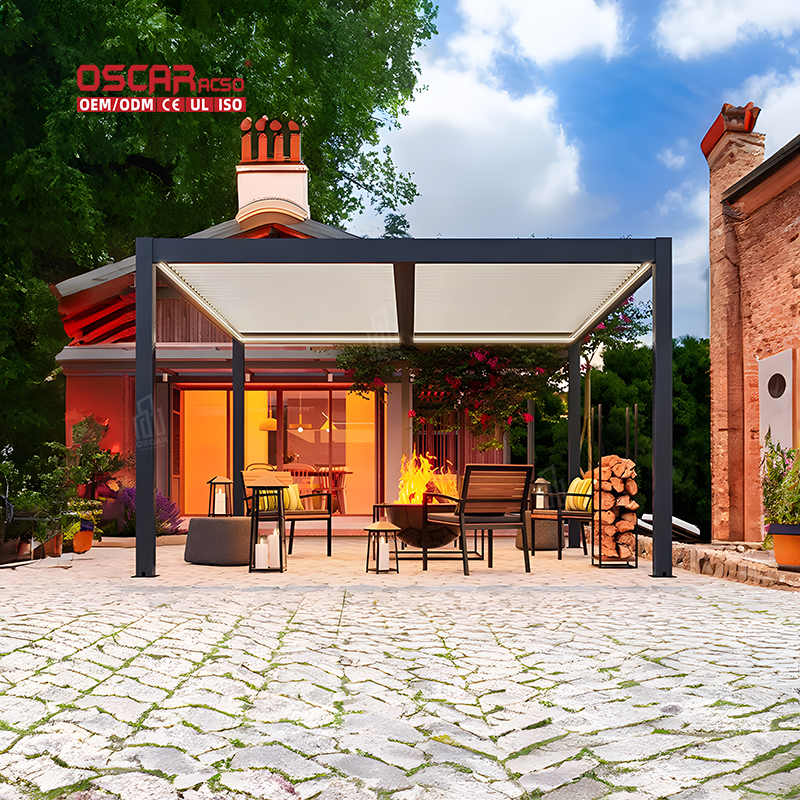
Cracking the Pergola Height Code: Why It Matters More Than You Think 🌿

So, you’re dreaming of a pergola. But have you stopped to consider how tall it should be? This isn’t just a minor detail—it’s the foundational decision that will make or break your outdoor experience. A pergola’s height directly influences everything from the atmosphere underneath it to how it complements your home. I believe that nailing the height is the single most important step in creating an outdoor space that feels both incredibly inviting and perfectly proportional to your home.
📏 The Golden Range: Standard Pergola Heights Explained
Most pergolas comfortably sit in a height range of 8 to 12 feet. This isn’t a random number; it’s a sweet spot forged from practicality and aesthetics.
- •
An 8 to 10-foot tall pergola is often ideal for intimate spaces meant for dining or relaxation. It creates a cozy, human-scale atmosphere without making guests feel boxed in .
- •
Opt for a 10 to 12-foot height if you have a larger backyard, want to support lush climbing plants, or are aiming for a more grand and dramatic architectural statement. The extra space prevents the structure from feeling overwhelming .
The most common average height? Right around 9 to 10 feet. It’s a fantastic compromise that offers ample headroom for nearly everyone while maintaining a sense of cozy enclosure .
⚖️ Beyond the Tape Measure: Key Factors Dictating Your Perfect Height
Choosing a height isn’t as simple as picking a number you like. Several critical factors must guide your decision.
- •
Purpose & Function: What will you do under your pergola? A dining area for six has different needs than a spacious lounge set or a garden path covered in wisteria. Define the use first; the height will follow .
- •
Proportion & Width: This is crucial! A good rule of thumb is that a wider pergola needs a taller roof to look balanced and avoid a squat, awkward appearance. Always consider the footprint of your structure .
- •
Attachment Style: Is your pergola attached to your house or freestanding? Attached structures often look best when their height relates to the eaves of your home, while freestanding ones offer more flexibility .
- •
Local Building Codes & Permits: This is non-negotiable. Regulations vary globally. In the UK, for instance, an attached pergola is often limited to 2.5 meters (approx. 8.2 ft), and a freestanding one to 3 meters (approx. 9.8 ft), especially if within 2 meters of a property boundary . Always check with your local building authority first!
- •
Sun & Shade Goals: Height dramatically affects sunlight. A lower pergola provides more immediate, defined shade. A taller one allows for more dappled light and airy openness throughout the day. Consider the sun’s path across your yard .
🌍 Navigating the Legal Landscape: Permits and Neighborly Etiquette
Before you get too deep into design dreams, a quick reality check is essential. Ignoring local regulations can lead to fines or being forced to take down your beautiful new structure.
- •
Permitted Development: Many areas allow pergolas under a certain size and height to be built as “permitted development,” meaning you won’t need a full planning application. The key is staying under those height and footprint thresholds .
- •
The Neighbor Factor: Even if your plan is legal, being a good neighbor is smart. A very tall pergola placed right on the property line can cast shade or feel intrusive. A quick, friendly conversation with your neighbors about your plans can prevent disputes and foster good will .
✨ Pro Tips & Creative Considerations for a Flawless Fit
Here’s how to elevate your decision from good to great.
.jpg "how tall pergola")
- •
Material Matters: The material you choose can influence the ideal height. Heavier timber beams can feel more substantial at a lower height, while sleek aluminum structures can soar visually without feeling heavy .
- •
The ⅓ Rule for Posts: A classic stability tip for post installation is to bury one-third of the total post length underground. So, for a 9-foot tall pergola, you’d need a 12-foot post, with 3 feet set in concrete .
- •
Think Vertically with Plants: If you dream of a green canopy, remember climbing plants need time to grow. A slightly taller structure accommodates mature growth without feeling cramped .
- •
Avoid the Cave Effect: A pergola that is too low for its width can feel dark and cave-like. When in doubt, err on the side of slightly taller for a more open and uplifting feel .
🔥 My Final Take: It’s About Feeling, Not Just Figures
While the tape measure and building codes are your guide, the rightheight is ultimately about how the space makes you feel.
A lower height (8-9 ft) creates an intimate, cozy, and sheltered nook—perfect for a quiet morning coffee or a romantic evening dinner. It frames the sky and makes the space feel like a true outdoor room.

A greater height (10-12+ ft) creates a grand, expansive, and airy experience—ideal for entertaining larger groups or creating a majestic garden passageway. It emphasizes open space and the sky above.

Don’t just build a structure; craft an experience. The perfect pergola height is the one that disappears, meaning you never have to think about it. You simply feel fantastic when you’re under it. That’s the true mark of success.