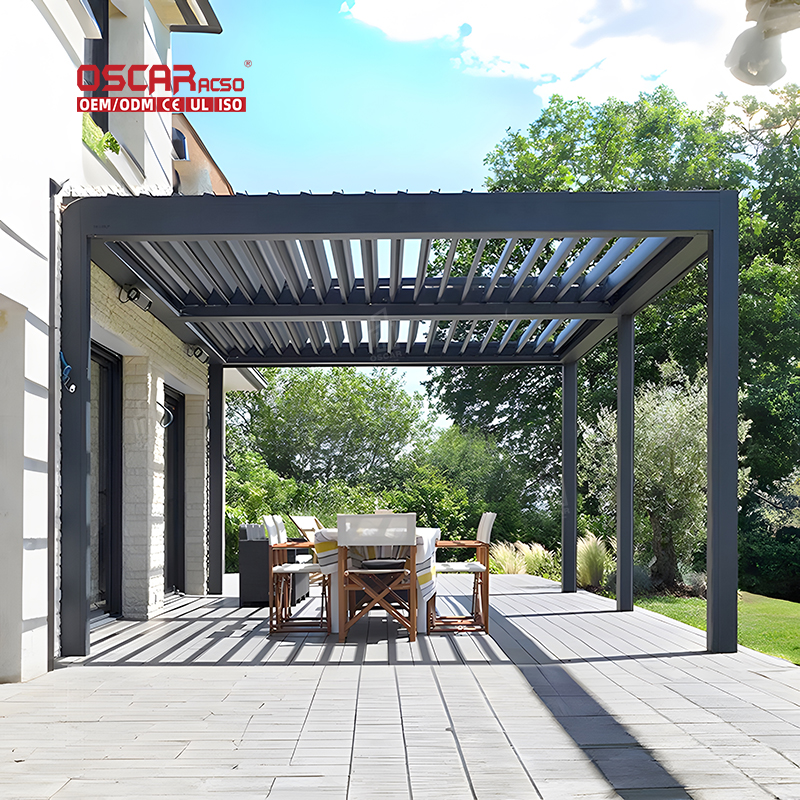
A leaking pergola can quickly turn your tranquil retreat into a source of frustration. Instead of serene moments, you’re dealing with water stains, rot, and the constant drip-drip-drip. But why does this happen? Let’s explore the common culprits and practical solutions to reclaim your dry oasis. 🛠️
🔍 Understanding the Enemies of a Dry Pergola
Water infiltration often stems from a few predictable areas. Identifying the exact source is your first crucial step toward a lasting repair. During your next rain shower, grab a flashlight and observe where water forms or drips. Look for moisture along beams, joists, and rafters, and pay close attention to any joints or seams where materials meet. Sometimes, mold or mildew can also signal past water damage.
• Screw Holes: Untreated or improperly sealed screw holes act as tiny conduits for rainwater, allowing it to seep into the structure and potentially rot the wood from within.
• Leaky Gutters & Drainage: Clogged or inefficient gutters cause water to pool and overflow, often seeping into the pergola’s foundation or framework.
• Insufficient Roof Pitch: A roof that’s too flat prevents water from shedding quickly. This leads to pooling, which eventually finds its way through any tiny opening.
• Gaps in Materials: Wood naturally expands and contracts with heat and moisture. Over time, this can create gaps between panels or at joints, inviting water inside. Polycarbonate covers can also crack and absorb water.
💦 Top Causes of Pergola Leaks & How to Stop Them
1. Faulty Screw Holes and FastenersLoose or unsealed screws are a primary entry point for water. The solution? Create pilot holes before driving screws to prevent wood splitting. For existing leaks, remove the loose screw, apply a dab of watertight polyurethane or oil-based sealant into the hole, and re-insert the screw. This creates a waterproof barrier.2. Compromised Gutters and DownspoutsA pergola’s drainage system is its lifeline. If gutters are clogged with debris like leaves or twigs, water will back up. Regular cleaning is non-negotiable. Ensure downspouts are clear and direct water away from the pergola’s base. For built-in systems (common in aluminium models), check that internal U-channels and hollow legs are free of obstructions to allow proper water flow to the ground.3. Problematic Roof Slope and AngleIf your pergola has a low slope or is nearly flat, water will inevitably pool. While retrofitting the slope is complex, you can manage water better. Ensure your entire structure is secured to a patio with a gradual decline to encourage runoff. For retractable canopies, troubleshoot by adjusting the anchor knobs to increase fabric drop (slope) if water isn’t draining from the folds.4. Gaps in Wooden Panels or LouvresGaps are a common issue in wooden structures. Filling these gaps with a high-quality, weather-resistant sealant is key. Use a silicone-based product for its flexibility, which allows for natural wood movement without breaking the seal. Apply it generously along the seams and smooth it out for an even finish. For louvred roofs, proper adjustment and the use of plastic jams at the ends can ensure a tighter fit and prevent drips.
🛡️ Proactive Defense: Preventing Future Leaks
An ounce of prevention is worth a pound of cure. Establish a seasonal maintenance routine to keep your pergola in top shape.
• Biannual Inspections: Twice a year, thoroughly inspect all seals, joints, and hardware. Tighten any loose fittings and look for early signs of wear or damage.
• Keep It Clean: Sweep off debris and wash the structure with a mild soapy solution and a soft brush. For aluminium pergolas, this is often all the maintenance needed.
• Re-seal Periodically: Wooden pergolas typically need re-staining or re-sealing every two to three years to maintain their protective barrier. Spring is an ideal time for this task.
• Consider Upgrades: If leaks are a constant battle, consider upgrading your roofing material. Aluminum pergolas with built-in drainage systems offer excellent weather resistance and require minimal upkeep compared to wood.
🤔 Is It a Quick Fix or Time to Call a Pro?
Many minor leaks are well within a DIY enthusiast’s capabilities. Sealing a few screw holes or caulking a gap can be a quick and satisfying weekend project.However, if the damage is extensive, the structure is unstable, or you’re simply not comfortable, engaging a professional is a wise investment. They can diagnose hidden issues, reinforce the structure, and ensure repairs are done correctly, often with a guarantee on their work.
✨ Embracing a Dry Outdoor Lifestyle
A leak-free pergola isn’t just about fixing problems—it’s about enhancing your lifestyle. It’s that confidence to leave your outdoor furniture outside, the joy of not scrambling when clouds gather, and the peace of quiet evenings uninterrupted by dripping sounds. Your pergola should be a backdrop for memories, not maintenance worries. By understanding the why and how, you take control of your outdoor comfort.


.jpg "why is my pergola leaking")