

Ever gazed at your backyard and wondered just how long you can stretch a pergola to create that dream outdoor space? 🤔 It’s a fantastic question! The answer isn’t a single number—it’s a exciting blend of engineering, creativity, and local rules. While standard kits often max out around 12 to 16 feet in length, custom-built designs can soar much longer, transforming your yard into a seamless blend of living and entertainment areas. Let’s unravel the factors that determine your pergola’s ultimate length and how to push those boundaries. 🌿
.jpg "how long can a pergola be")
🌟 Standard Sizes vs. Custom Dreams: The Length Spectrum
Pergolas come in a range of sizes to fit different spaces and dreams. Understanding this spectrum is your first step.
Off-the-Shelf Convenience:
Prefabricated kits are popular for their ease. You’ll commonly find lengths like 8, 10, 12, and 16 feet. A 10×10 or 12×12 foot pergola is a classic choice for many patios, while a 12×16 foot structure offers more room for dining and lounging.
The Custom-Built Sky’s-the-Limit Approach:
Here’s where it gets exciting! If you’re not using a kit, the length can be tailored significantly. Custom designs can reach 20 feet, 24 feet, or even extend to 40 feet for truly expansive properties. For large backyards or commercial spaces, some massive structures can even span several hundred square feet.
My Take: Don’t feel constrained by standard sizes. A custom pergola, even on a modest budget, can be designed to fit your space perfectly. The key is balancing ambition with structural practicality.
⚙️ Engineering Long Spans: It’s All About Support
The longer your pergola, the smarter your support system needs to be. The material and design of your beams are the unsung heroes here.
Beam Size is Crucial:
The wood or metal beams must be strong enough to carry the load over the distance without sagging. The general rule is: the longer the span, the larger and stronger the beam needed.
- •
For a 8 to 10 feet span, 2×6 inch beams are often sufficient.
- •
For a 10 to 13 feet span, step up to 2×8 inch beams.
- •
For a 14 to 16 feet span, 2×10 inch beams are recommended.
- •
For those grand 18-20 foot spans, you might need substantial 2×12 inch lumber.
Post Placement & Spacing:
Those supporting posts can’t be placed arbitrarily. For stability and to ensure even weight distribution, posts are typically spaced between 8 to 10 feet apart. In windy areas, even closer spacing might be necessary. A very long pergola will simply have more posts to maintain this structural integrity.
Pro Tip: For extra-long designs, consider a multi-section pergola. Breaking the length into connected segments with additional support posts can enhance stability and add visual interest.
🛠️ Material Matters: What’s Holding Your Pergola Up?
Your choice of material doesn’t just affect the look; it fundamentally dictates how long and sturdy your pergola can be.
Wood: The Classic, with Limitations
Wood is beloved for its natural beauty. However, its structural span has limits. Spans greater than 10-12 feet with wood require careful engineering and larger beam sizes to prevent sagging. Cedar and redwood are excellent for their natural resistance to rot and insects.
Aluminum & Modern Composites: For Pushing Length
If you dream of long, clean lines with minimal visual interruption, aluminum or fiberglass are superior choices. They offer higher tensile strength, allowing for longer spans—up to 20 feet or more—while maintaining stability and requiring very little maintenance.
Vinyl: The Low-Maintenance Middle Ground
Vinyl pergolas offer great durability and resistance to the elements with almost no upkeep. They are available in various sizes and can be a solid choice for mid-length spans.
📐 Local Rules & regs: Don’t Skip This Step!
Before you finalize your magnificent long pergola, a crucial reality check is needed. Your local government likely has rules.
Permitted Development Rights:
Many areas allow pergolas under Permitted Development Rights, meaning you might not need full planning permission ifyou follow specific rules:
- •
Height Limit: If built within 2 meters (≈6.5 ft) of a property boundary, the maximum height is often 2.5 meters (≈8.2 ft). If further away, it can usually be up to 3 meters (≈9.8 ft).
- •
Coverage Limit: The structure should typically not cover more than of your garden area.
When You Absolutely Need a Permit:
- •
If your design includes a raised platform higher than 30 centimeters (≈12 inches).
- •
If you live in a conservation area or your house is listed, where rules are stricter.

- •
If your planned structure exceeds the size allowances for Permitted Development.
My Advice: Always check with your local building authority beforeyou build. It’s a simple step that can prevent costly alterations or even having to take it down later.
💡 Creative Design for Long Pergolas: Beyond the Basics
A long pergola is a canvas for amazing outdoor experiences. Here’s how to make the most of its length:
Functional Zoning:
.jpg "how long can a pergola be")
Use the length to create distinct functional zones. Imagine one end as an outdoor kitchen & dining area and the other as a comfortable lounge with sofas and a fire pit. This creates a journey and makes the space incredibly versatile.
The Power of Accessories:
- •
Lighting: Drape string lights or install recessed LED spots along the entire length to create a magical atmosphere for evening use.
- •
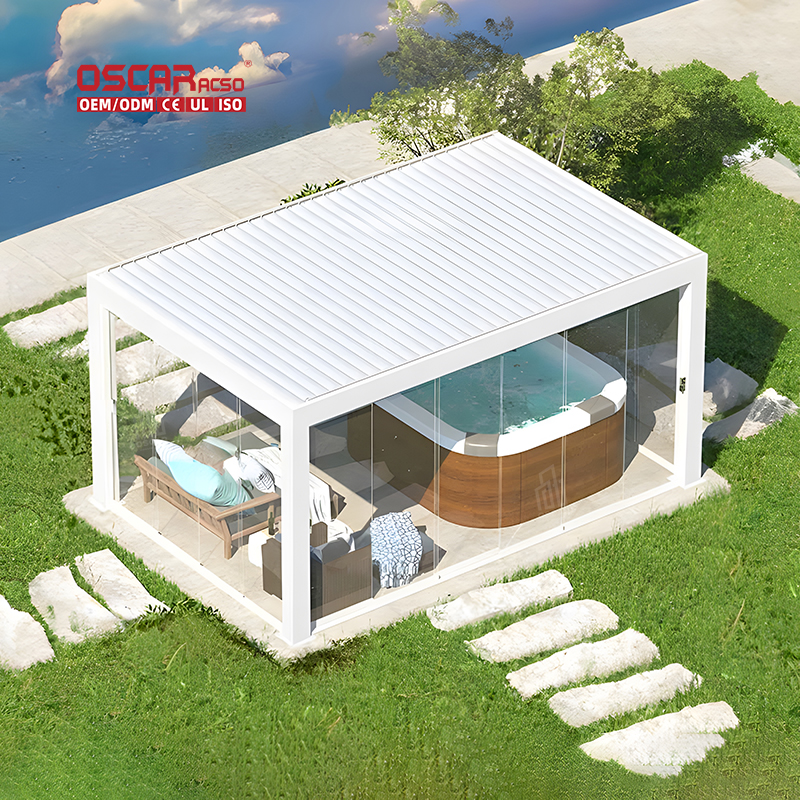
Shade Control: For adjustable coverage, consider a louvered roof system. For a softer look, add curtains or drapes along the sides for privacy and wind protection.
- •
Greenery: Train climbing plants like wisteria or grapevines over the structure. Over time, they’ll create a stunning, living canopy that changes with the seasons.
.jpg "how long can a pergola be")
Integration is Key:
For a truly cohesive look, design your long pergola to connect to your home or other structures like a deck or patio. This makes your outdoor space feel like a natural extension of your indoor living area.
✅ Pro Tips for Planning Your Long Pergola
- 1.
Start with a Site Plan: Sketch your yard, noting sun patterns, wind direction, and views. Position your pergola to maximize comfort and enjoyment.
- 2.
Think Long-Term: Consider future needs. Will you want to add an outdoor kitchen, hot tub, or screen enclosures? Ensuring the structure is robust enough now saves hassle later.
- 3.
Climate Considerations: In areas with heavy snow or high winds, your design must be sturdier. This might mean stronger materials, closer post spacing, or even a slightly reduced length for safety.
- 4.
Professional Help is Worth It: For long or complex designs, consulting a structural engineer or experienced contractor is a wise investment. They can ensure your beautiful design is also perfectly safe and built to last.
The journey to your perfect long pergola is a mix of dreaming and practical planning. By understanding the interplay of materials, engineering, and rules, you can confidently design a structure that not only spans your garden but also expands your lifestyle. ✨
