

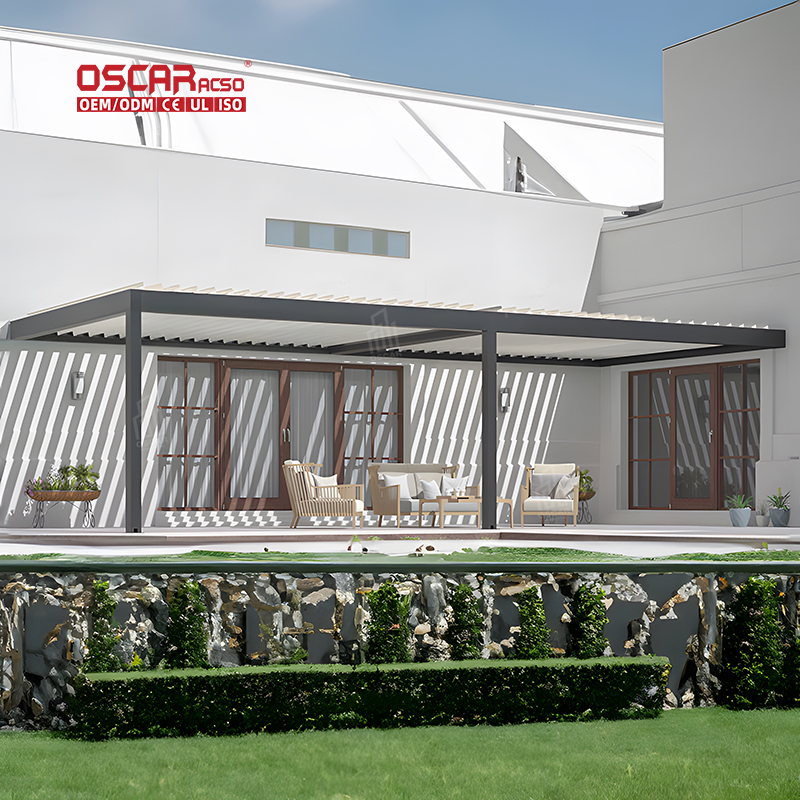
Ever wondered how long your dream pergola will actually last? 🤔 It’s not just about picking a pretty design—the lifespan of your outdoor structure is a fascinating blend of material science, environmental factors, and good old-fashioned care. Let’s unpack what it takes to ensure your pergola remains a centerpiece of your garden for years to come.
The honest answer? It depends. A well-built and properly maintained wooden pergola, particularly those made from high-quality cedar, can last anywhere from 15 to 30 years, and sometimes even longer. On the other hand, modern aluminum pergolas, especially those with bioclimatic features, can easily last 25 to 50 years with minimal upkeep, thanks to their resistance to rot and corrosion.
📍 Material Matters: The Core of Longevity
The choice of material is the single most important factor determining your pergola’s lifespan.
- •
Cedar Wood: A popular and beautiful choice. Western Red Cedar is renowned for its natural resistance to decay and insects, thanks to its protective oils. A well-maintained cedar pergola can proudly stand for 15 to 30 years. Its natural durability makes it a fantastic investment for those seeking a classic look.
- •
Pressure-Treated Pine (e.g., Elitewood™): Engineered for resilience. This wood is treated to resist moisture, insects, and rot, often coming with warranties. It can last 10 to 20 years or more with proper care, offering a balance between cost and durability.
- •
Aluminum: The low-maintenance champion. Modern powder-coated or PVDF-finished aluminum pergolas are immune to rot, insects, and warping. They can easily last 25 to 50 years with perhaps only an occasional rinse with a hose. Many come with extensive warranties on both the structure and finish, underlining their longevity.
🛡️ Environment & Installation: The Supporting Cast
Even the best materials can succumb to a harsh environment or poor installation.
- •
Climate Impact: Intense, direct UV rays can dry out and fade wood over time. Consistent high humidity or heavy rainfall creates a perfect environment for mold, mildew, and wood rot. If you live in a region with extreme weather, proactive protection is non-negotiable.
- •
Installation Quality: A pergola’s longevity starts from the ground up. A solid, level foundation and proper drainage around the posts are absolutely critical to prevent water pooling and premature wood decay. Using corrosion-resistant hardware (e.g., stainless steel) prevents unsightly rust stains and structural weakening over time.
✨ Maintenance: Your Key to Maximizing Lifespan
This is where you, the owner, have the most control. Regular care is what separates a pergola that lasts a decade from one that lasts a generation.
- •
Regular Cleaning: Gently remove dirt, debris, and organic matter once or twice a year. A soft wash prevents the buildup of mold and mildew. For aluminum structures, a simple rinse is often all that’s needed.
- •
Protective Finishes: For wood pergolas, applying a high-quality water-repellent sealant, stain, or paint every 2-3 years is crucial. This barrier shields the wood from moisture and harmful UV rays. For aluminum, check the coating periodically as per manufacturer guidelines.

- •
Annual Inspections: Be your own detective. Once a year, take a close look for any warning signs: small cracks, slight warping, loose fittings, or signs of pest activity. Catching and addressing these issues early is the secret to avoiding major, costly repairs later.
⚠️ Warning Signs: When to Take Action
Knowing when your pergola needs help can save it from irreversible damage.
- •
Structural Concerns: Visible sagging of beams, significant wobbliness, or large, deep cracks in the wood are red flags that demand immediate attention.
- •
Material Failure: Extensive rot that feels soft and spongy to the touch, widespread splintering, or severe discoloration that doesn’t improve with cleaning are signs the material is failing.
- •
Pest Infestation: Look for small holes in the wood and fine, sawdust-like material (frass) nearby, which can indicate wood-boring insects like termites or carpenter ants.
If you see these signs, it’s time to call in a professional for an assessment. Timely intervention can often extend your pergola’s life significantly.
💡 Pro Tips for Every Season
Tailoring your care to the seasons can dramatically boost your pergola’s lifespan.
- •
Spring: The perfect time for a post-winter inspection and a thorough cleaning. Apply any needed protective finishes as the weather warms up.
- •
Summer: Focus on UV protection. Ensure seals are strong and consider adding a shade cloth to reduce direct sun exposure on very hot days.
- •
Fall: Keep the structure clear of falling leaves and debris, which can trap moisture against the wood and promote rot.
- •
Winter: Gently remove heavy snow buildup to prevent excessive weight stress on the structure.
Think of maintenance not as a chore, but as a way to protect your memories and enhance your outdoor living experience. A little effort goes a long way in preserving the beauty and function of your pergola.
Ultimately, your pergola’s lifespan is a partnership between quality materials and your dedicated care. Choose a structure that suits your local climate and personal maintenance style, and you’ll be rewarded with a timeless outdoor retreat for decades to come.