

.jpg "where is pergola made")
🌍 The Heart of Pergola Production
When you ask “Where are pergolas made?”, the answer isn’t simple—it’s a global tapestry of craftsmanship 🌐. Pergolas are produced worldwide, with key hubs in the United States, Europe, and Asia, each region contributing unique expertise to meet diverse aesthetic and functional needs. From handmade artisanal structures to tech-integrated smart pergolas, manufacturing locations often reflect the brand’s philosophy, material choices, and target market.
🏭 Leading Manufacturing Regions & Their Specialties
🇺🇸 United States: Innovation and Durability
The U.S. is known for high-end, custom-designed pergolas that prioritize durability and smart home integration. For example:
- •
The Luxury Pergola: Designed and manufactured entirely in the U.S., these pergolas are built to withstand extreme weather, supporting wind loads up to 130 mph and snow loads of 60 lbs per square foot. They emphasize low maintenance and American craftsmanship .
- •
SUNC Motorized Aluminum Pergola: Though designed in the U.S., some components or assemblies may leverage global sourcing, while highlighting smart features like remote control and app-based automation .
🇪🇺 Europe: Precision and Sustainability
European manufacturers focus on engineering excellence and eco-conscious production:
- •
AGAVA Pergolas (Slovenia): These bioclimate pergolas feature rotating aluminum louvers that manage light and airflow, creating adaptable microclimates. They’re designed for large spaces and harsh weather, often including add-ons like integrated LED lighting, heating, and ZIP roller screens .
- •
Pergola (Sweden): Specializing in motorized louvered pergolas from Italian-made parts (e.g., by Pratic), they emphasize sustainability—using solar energy in production and offering 5-year warranties. Their designs blend functionality with minimalist aesthetics .
🇨🇳 Asia: Tech Integration and Scale
Asia, particularly China, excels in high-tech manufacturing and cost-effective production:
- •
SUNC Pergolas (Shanghai): These pergolas showcase smart home integration, with options for voice control and automated weather responses. They’re made from powder-coated aluminum, balancing affordability with modern features like built-in lighting and USB ports .
⚙️ Materials & Production Insights
The “where” of pergola manufacturing is closely tied to “how” and “what” they’re made of:
.jpg "where is pergola made")
- •
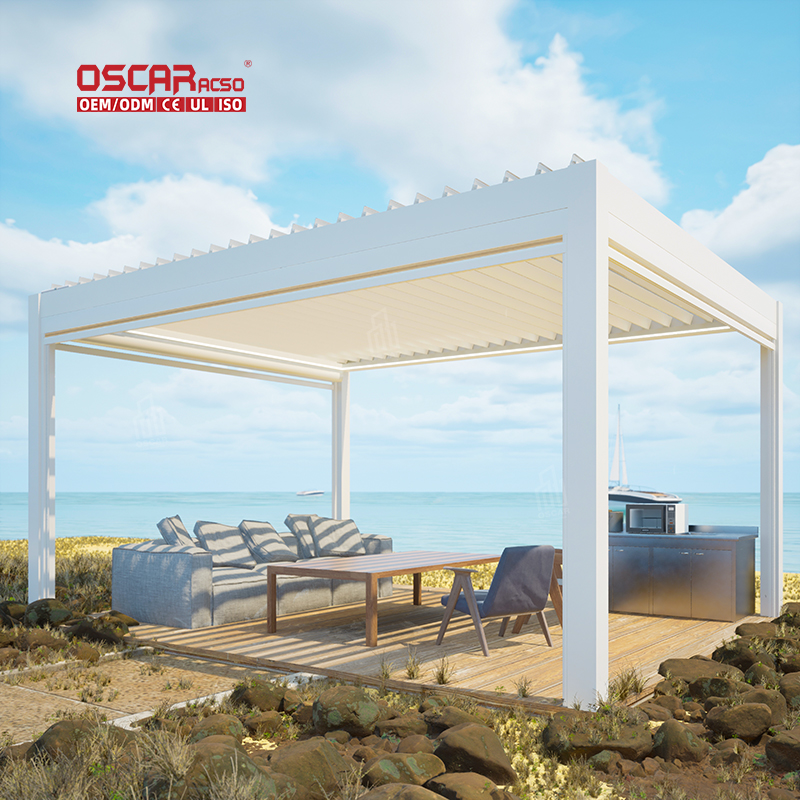
Aluminum: Dominates modern pergola production due to its lightweight strength, rust resistance, and adaptability to automated manufacturing. Brands like SUNC and AGAVA use it for motorized, louvered systems .
- •
Wood: Traditional and beloved for natural aesthetics, often sourced and crafted regionally (e.g., cedar in North America, oak in Europe). It requires more maintenance but offers classic beauty.
- •
Composite Materials: Gaining popularity for durability and eco-friendliness, these are often produced in facilities with advanced material engineering capabilities.
Manufacturing processes range from hand-assembled custom pieces to automated factory production. For instance, U.S. and European brands often emphasize artisanal touches and rigorous quality testing, while Asian factories focus on precision at scale .
💡 Why Manufacturing Origin Matters
The place of manufacture influences more than just price—it impacts:
- •
Quality Control: Regions with strict engineering standards (e.g., U.S. and EU) often adhere to higher load-bearing and safety benchmarks.
- •
Sustainability: European brands like Pergola (Sweden) highlight solar-powered production and recyclable materials .
- •
Customization: Local manufacturing (common in the U.S. and Europe) supports bespoke designs, whereas standardized models from Asia cater to broader markets.
🤔 Personal Perspective: The Future of Pergola Production
Having explored various pergola origins, I believe the future lies in hybrid manufacturing—combining global tech efficiency with local craftsmanship. For example:
- •
A pergola might be designed in Italy, with components sourced from Asia, and assembled locally in the U.S. to reduce shipping costs and support regional customization.
- •
Smart Features will become standardized, but artisanal values (like handmade wood finishes) will remain premium differentiators.
Consumers should consider not just where a pergola is made, but how it’s made. Does the brand prioritize ecological responsibility? Does engineering align with your climate needs? These factors often matter more than the country label alone.
✅ How to Choose Based on Origin
- •
For Harsh Climates: Look to U.S. or European brands with certified wind/snow ratings .
- •
For Tech Integration: Asian-made pergolas offer cutting-edge smart features at accessible prices .

- •
For Eco-Consciousness: European brands lead in sustainable production and recyclable materials .
- •
For Customization: U.S.-based manufacturers often provide more personalized options .
.jpg "where is pergola made")
Always check warranties, certifications (e.g., CE marking), and customer reviews to ensure quality aligns with promised origins.
🎯 Final Thought
Pergolas are more than just outdoor structures—they’re a fusion of culture, engineering, and artistry from around the world. Whether crafted in American workshops, European factories, or Asian tech hubs, each pergola tells a story of its origin. By understanding these backgrounds, you can choose a pergola that doesn’t just shade your space but also reflects your values and vision.