

.jpg "which pergola material is best")
What’s the Big Deal About Pergola Materials? 🌿
Choosing the right material for your pergola isn’t just about looks; it’s a decision that impacts durability, maintenance, cost, and how well it complements your lifestyle. The material forms the backbone of your outdoor sanctuary, influencing everything from its resistance to the elements to the long-term upkeep required. Picking the wrong one can lead to premature wear, unnecessary expenses, and a structure that doesn’t quite fit your vision. Let’s find the one that truly belongs in your backyard.
The Classic Contender: Wood Pergolas
Wood is the timeless choice, beloved for its natural warmth and organic charm that blends seamlessly into garden settings.
- •
Cedar: A top choice, prized for its natural resistance to decay and insects . It boasts a beautiful reddish-brown hue and a pleasant, aromatic scent that enhances the outdoor experience .
- •
Redwood: Offers a rich color and similar natural durability thanks to its protective oils . It’s a robust option, though often at a higher price point .
- •
Pressure-Treated Pine: The most budget-friendly wood option . It’s infused with chemicals to resist rot and insects, but it may lack the natural aesthetic of cedar or redwood and can be stained or painted to achieve the desired look .
Pros:
.jpg "which pergola material is best")
- •
Unmatched natural beauty and rustic charm 🌳
- •
Highly customizable through staining, painting, or intricate designs
- •
A renewable, eco-friendly resource when sustainably sourced


Cons:
- •
Demands regular maintenance (staining, sealing) to prevent weathering, rot, and insects
- •
Generally has a shorter lifespan (10-12 years) compared to synthetic materials, even with upkeep
- •
Susceptible to warping, cracking, and damage from moisture over time
The Low-Upkeep Favorite: Vinyl Pergolas
For those who prefer spending time enjoying their pergola rather than maintaining it, vinyl is a strong contender.
Pros:
- •
Virtually maintenance-free – no need for painting, staining, or sealing . A simple wash with mild soap is usually sufficient .
- •
Resistant to rot, decay, and insects , offering good durability against the elements.
- •
Doesn’t warp, crack, or fade easily over time .
Cons:
- •
Can soften in extreme heat or become brittle in severe cold , which may affect its longevity in climates with strong temperature fluctuations.
- •
Limited design and color customization options compared to wood or aluminum .
- •
May sometimes have a less premium aesthetic compared to other materials .
The Modern Powerhouse: Aluminum Pergolas
If durability and contemporary style are your priorities, aluminum emerges as a top-tier option.
Pros:
- •
Exceptionally strong and durable 💪, capable of withstanding harsh weather, including heavy wind and rain .
- •
Highly low maintenance – resistant to rust, corrosion, rot, and insects . A powder-coated finish helps maintain its appearance for years .
- •
Sleek, modern aesthetic that suits contemporary homes and offers a wide range of color and finish options .
- •
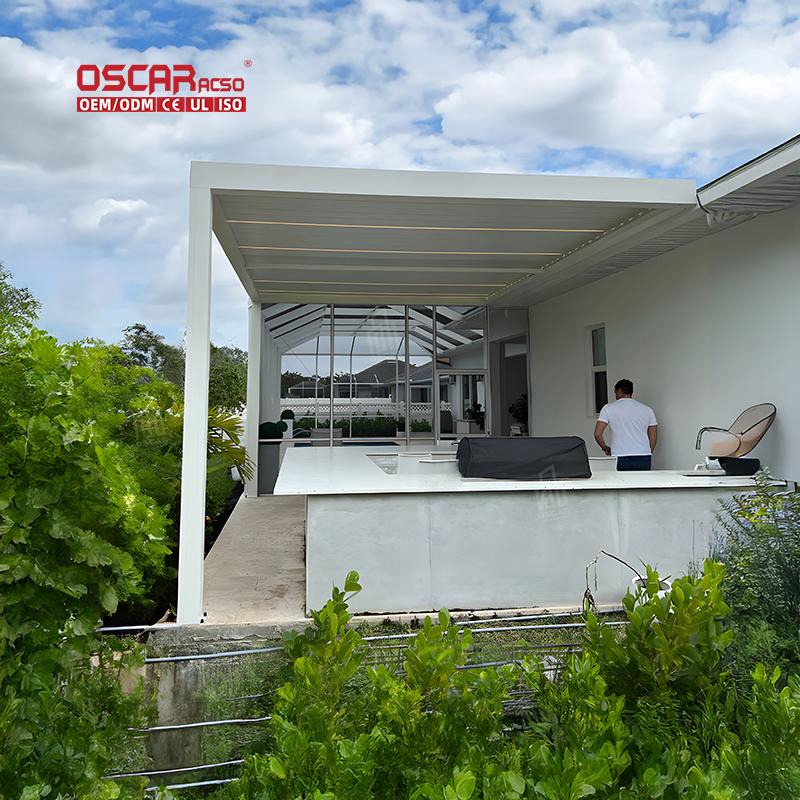
Ideal for integrating advanced features like adjustable louvered roofs for ultimate shade and weather control .
Cons:
- •
Higher upfront cost compared to wood and vinyl .
- •
May lack the natural warmth and classic look of wood .
Beyond the Big Three: Other Materials
While wood, vinyl, and aluminum are most common, other materials have niche appeal.
- •
Fiberglass: Lightweight, strong, and resistant to rot and insects. It’s low maintenance and can be painted, but offers limited style and color choices .
- •
Steel: Provides incredible strength and a sturdy structure, often with a modern or industrial aesthetic. However, it requires protective finishes to prevent rust and can be heavy .
So, Which Material Is Truly The Best? Let’s Break It Down
The “best” material is subjective and hinges on your specific needs, climate, and budget.
.jpg "which pergola material is best")
- •
Choose Wood if: You crave a traditional, natural look, enjoy DIY projects, and don’t mind periodic maintenance. It’s perfect for creating a rustic, organic vibe in your garden. Opt for cedar or redwood for better natural durability .
- •
Choose Vinyl if: Your top priority is minimal maintenance and you live in a region without extreme temperature swings. It’s a good hassle-free solution for a clean, classic look .
- •
Choose Aluminum if: You seek a modern, sleek design, maximum durability, and virtually no upkeep. It’s the superior choice for harsh climates (coastal, snowy, windy) and for integrating smart features like adjustable louvers . For a blend of longevity, low maintenance, and modern functionality, aluminum often stands out as the most robust and versatile choice.
Final Considerations Before You Decide
Budget Beyond the Initial Price: While wood might have a lower initial cost, remember to factor in long-term maintenance expenses (stain, sealant, time). Aluminum and vinyl, though sometimes more expensive upfront, often incur fewer costs over their longer lifespans .
Think About Your Local Climate: Consider rainfall, humidity, snow load, and sun exposure. Aluminum performs well in most conditions, while wood may require more care in damp climates, and vinyl might not be ideal for areas with extreme heat or cold .
Professional vs. DIY Installation: The complexity of installation can vary by material. While many kits are available, achieving a perfect, secure fit, especially for heavier materials or complex designs like louvered roofs, often benefits from professional expertise.
The perfect pergola material is the one that aligns with your vision for outdoor living and gracefully weathers the years with you.