

When planning a pergola, the material choice defines your experience. While wood has traditional appeal, aluminum is increasingly becoming the preferred choice for its durability and minimal upkeep. Let’s explore why.

🌳 Traditional Wood Choices for Pergolas
For decades, wood has been the go-to material for pergola construction, prized for its natural beauty and warmth. Among the various options, Western Red Cedar and Redwood are top contenders due to their natural resistance to rot, insects, and decay. These woods contain natural oils that help them withstand outdoor conditions, with redwood often lasting 20-40 years and cedar 15-20 years with proper maintenance.
Pressure-treated pine offers a more budget-friendly alternative, though it requires chemical treatment to achieve resistance against moisture and pests. While economical, it typically needs more frequent maintenance and may not last as long as premium woods.
Tropical hardwoods like teak and ipe represent the luxury end of wood pergolas. Ipe, in particular, boasts an impressive lifespan of 25-75 years and even has a Class A fire rating. However, these exotic woods come with significantly higher costs and sustainability concerns.
⚖️ The Drawbacks of Wood Pergolas
Despite their natural appeal, wood pergolas present several challenges that homeowners should consider:
- •
High maintenance requirements: Wood structures need regular staining, sealing, or painting to maintain their appearance and durability. This ongoing maintenance can become time-consuming and costly over the years.
- •
Vulnerability to elements: Even treated wood remains susceptible to moisture damage, insect infestation, warping, and cracking over time. In humid climates, wood pergolas may require additional protective measures.
- •
Shorter lifespan: Compared to aluminum, wood pergolas generally have a shorter lifespan, often requiring repairs or replacement within 10-20 years depending on the wood type and climate conditions.
- •
Combustibility: Wood is flammable, making it less ideal for areas prone to wildfires or for structures near fire features.
✨ Why Aluminum Emerges as the Superior Choice
Aluminum pergolas have gained significant popularity for good reason—they address most of wood’s limitations while offering unique advantages:
Unmatched Durability & Weather Resistance

Aluminum pergolas excel where wood struggles. They won’t rot, warp, or crack over time and are naturally resistant to insect damage. Unlike steel, aluminum doesn’t rust, making it ideal for various climates, including coastal areas with salty air. High-quality aluminum pergolas can withstand winds up to 100-115 mph when properly installed.
Minimal Maintenance Requirements
This is perhaps aluminum’s most significant advantage. While wood requires regular staining and sealing, aluminum needs only occasional cleaning with mild soap and water. There’s no need for seasonal maintenance projects that consume your weekends.
Modern Aesthetic & Customization
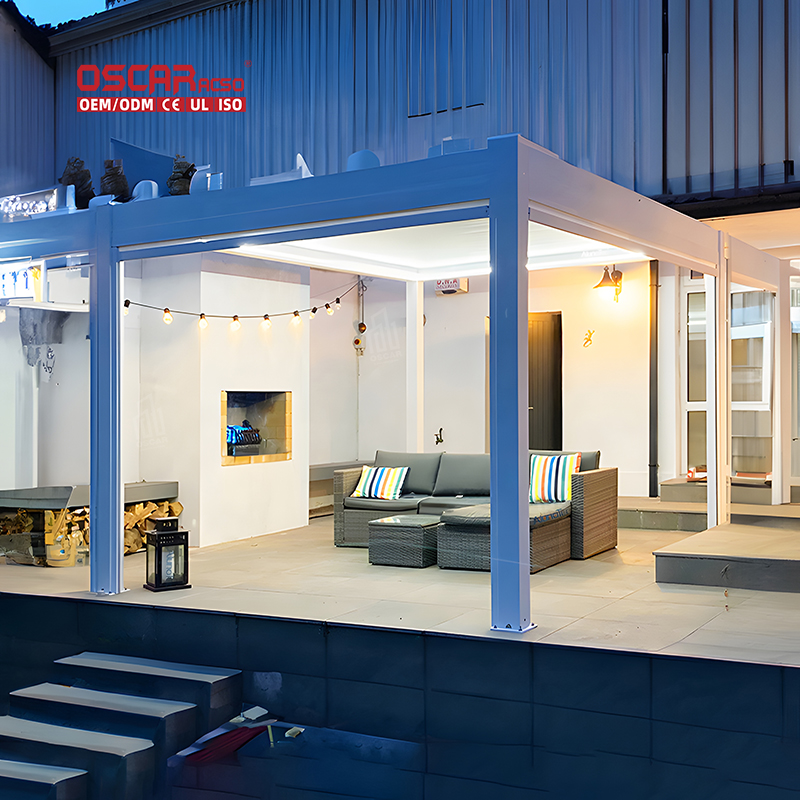
.jpg "which wood for pergola,but aluminum best")
Aluminum pergolas offer a sleek, contemporary look that complements modern architecture. They’re available in various powder-coated finishes, including options that mimic wood grain, providing aesthetic flexibility without the maintenance headaches.
Lightweight & Installation Advantages
Aluminum is significantly lighter than wood, making it easier to handle and install. Many manufacturers offer DIY-friendly kits that homeowners can assemble themselves, potentially saving on installation costs.
🔍 Aluminum vs. Wood: Direct Comparison
|
Aspect
|
Wood Pergola |
Aluminum Pergola |
|---|---|---|
|
Initial Cost |
Lower upfront cost |
Higher initial investment |
|
Maintenance |
Regular staining/sealing needed |
Minimal (occasional cleaning) |
|
Lifespan |
10-40 years (varies by wood type) |
25+ years |
|
Durability |
Prone to rot, insects, warping
|
Resists rust, corrosion, weathering |
|
Weight |
Heavy, may need stronger foundations |
Lightweight, easier to install |
|
Customization |
Can be cut and shaped easily |
Limited custom shapes but various finishes |

💡 Advanced Features of Modern Aluminum Pergolas
Today’s aluminum pergolas often incorporate innovative features that wood simply cannot support practically:
- •
Motorized adjustable louvers that allow you to control sunlight and shade with the push of a button
- •
Integrated drainage systems that discreetly channel water through the columns
- •
Retractable canopies that can be added for additional weather protection
- •
Built-in lighting options that can be seamlessly incorporated into the structure
These technological enhancements transform aluminum pergolas from simple shade structures into versatile outdoor living spaces that can be enjoyed in various weather conditions.
🤔 So When Might Wood Still Be Preferable?
Despite aluminum’s numerous advantages, wood remains a valid choice in certain scenarios:
If you prioritize traditional aesthetics and natural warmth above all else, wood might better suit your vision. For historical homes or rustic garden settings, wood often blends more seamlessly with the surroundings.
Those with limited upfront budgets might find wood more accessible, particularly if using pressure-treated pine. Just remember to factor in long-term maintenance costs.
If you enjoy DIY projects and regular maintenance, wood allows for more hands-on customization and traditional woodworking techniques.
🎯 Making the Right Choice for Your Home
Selecting between wood and aluminum ultimately depends on your priorities:
- •
Choose aluminum if: You value low maintenance, long-term durability, and modern aesthetics. You live in harsh weather conditions or coastal areas. You want advanced features like adjustable louvers.
- •
Consider wood if: You prefer traditional natural beauty and don’t mind regular maintenance. Your budget constraints prioritize initial cost over long-term expenses. Your architectural style demands organic materials.
The climate in your area also plays a crucial role in this decision. Aluminum performs exceptionally well in coastal or humid regions where moisture accelerates wood deterioration. Similarly, areas with extreme temperature variations benefit from aluminum’s resistance to expansion and contraction.
🔮 The Future of Pergola Materials
Innovation continues in both material categories. For wood, thermal modification processes are enhancing durability without chemicals. Meanwhile, aluminum manufacturers are developing even more realistic wood-look finishes and improving integrated technology features.
We’re also seeing the emergence of hybrid structures that combine aluminum frames with wood accents, potentially offering the best of both worlds—low maintenance with natural warmth.
Environmentally conscious homeowners will appreciate that aluminum is 100% recyclable without quality loss, making it an eco-friendly choice for the long term.
While wood pergolas offer traditional charm, aluminum provides a modern, low-maintenance alternative that often proves more practical and cost-effective over time. For most homeowners, the long-term benefits of aluminum outweigh the initial cost difference, making it the superior choice for a lasting outdoor structure.