


Ever wondered how a simple structure with an open roof can transform your backyard into a cool, stylish retreat? 🤔 Pergolas work through a clever balance of open design and strategic shading, creating comfortable outdoor spaces that blend functionality with natural beauty. Let’s break down exactly how they do it!
🌿 Basic Structure & Design
At its core, a pergola consists of vertical posts that support an open roof grid of beams and rafters. This simple yet effective framework isn’t meant to fully enclose space but to define it while maintaining openness and airflow.
The open lattice roof is key – it provides partial shade while allowing sunlight to filter through and air to circulate freely. Many pergolas are designed to support climbing plants like wisteria, ivy, or grapes, which add natural shade and integrate the structure beautifully into the garden.
Pro Tip: The spacing and width of the roof slats significantly impact shading. Closer-spaced, narrower slats provide more shade, while wider spacing allows more sunlight.
☀️ Shade & Sun Control Mechanics
A pergola’s shade isn’t constant; it changes with the sun’s movement. Typically, a standard pergola blocks 30% to of sunlight during midday. The amount of shade depends on:
- •
Sun angle: Higher summer sun provides more midday shade than the lower winter sun.
- •
Orientation: Aligning beams north-south (in the Northern Hemisphere) can maximize shading throughout the day.
- •
Design choices: Slat width, spacing, and material all influence the shading effect.
You can enhance shading significantly by adding:
- •
Climbing plants: Vines create a natural, cooling canopy that evolves with the seasons.

- •
Shade cloths or canopies: Affordable fabrics can be added to block more sun.
- •
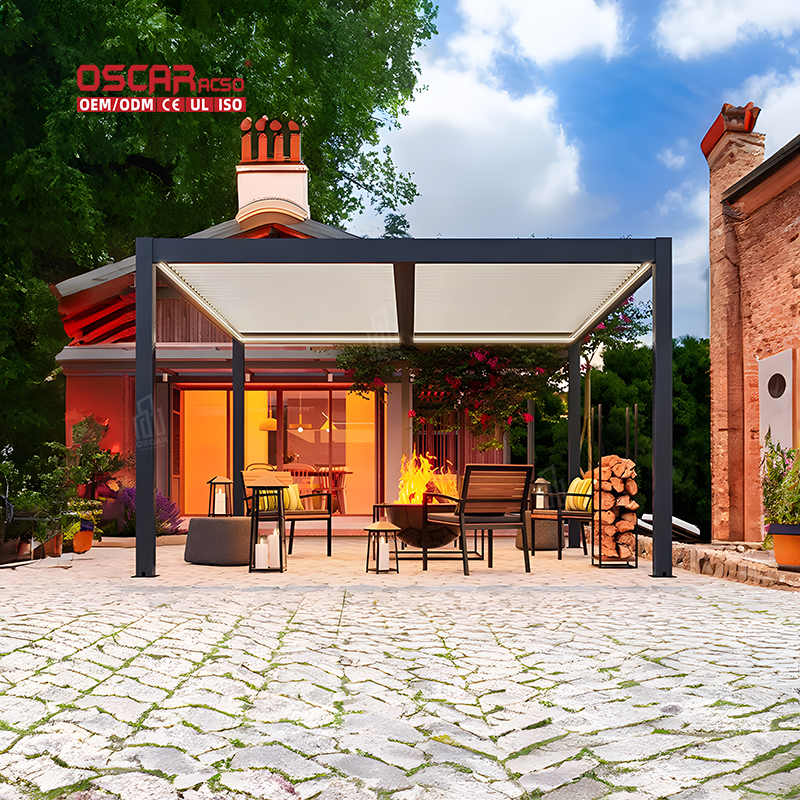
Adjustable louvers: Modern pergolas often feature manual or motorized louvers that let you control light and shade precisely.

🌬️ Natural Ventilation & Climate Control
Pergolas are brilliant at facilitating natural ventilation. Their open structure allows hot air to rise and escape while drawing in cooler air from the sides. This creates a comfortable, breezy environment even on warm days, often making it feel cooler than fully enclosed spaces.
The materials used also impact comfort:
.jpg "pergola how does it work")
- •
Wood offers a warm, natural feel and softer light filtration.
- •
Metal (like aluminum) provides a modern look, is durable, and requires less maintenance.
- •
Vinyl is low-maintenance and resistant to rot and insects.
.jpg "pergola how does it work")
Design Insight: In windy areas, aligning the pergola’s open sides perpendicular to prevailing breezes can enhance airflow and comfort.
🏗️ Types & Customization
Pergolas come in various forms to suit different needs:
- •
Freestanding pergolas are versatile and can be placed anywhere in the garden, often serving as a focal point or defining a specific area.
- •
Attached pergolas are connected to a building, extending living space outward and creating a seamless transition between indoor and outdoor areas.
Modern pergolas offer incredible customization:
- •
Motorized louvers let you adjust roof slats with a button or remote.
- •
Integrated lighting and outlet provisions extend usability into the evening.
- •
Side screens or curtains add privacy and protection from wind and light rain.
💡 Functional Uses & Benefits
Beyond shade, pergolas excel at:
- •
Creating outdoor rooms: Define spaces for dining, lounging, cooking, or even as a shaded workspace.
- •
Supporting plant life: The structure is ideal for climbing plants, adding greenery and blooms overhead.
- •
Enhancing property value: A well-designed pergola adds aesthetic appeal and functional outdoor space, potentially increasing home value.
- •
Providing partial weather protection: While not fully waterproof, a pergola can offer some shelter from light rain and sun.
❓ FAQ: How Pergolas Work
Q: Can a pergola provide full shade?
A: Not typically on its own. The open roof design allows filtered light. However, with additions like shade cloths, canopies, or dense climbing plants, you can achieve near-full shade.
Q: Are pergolas suitable for rainy climates?
A: They can be, especially models with adjustable louvers or added covers. Open roofs allow rain through, but some water management is possible. For instance, water can be directed to run off the sides or into integrated gutters.
Q: How does a pergola stay stable in wind?
A: Stability comes from proper installation. This often involves securing posts into concrete footings or using heavy-duty anchors. For areas with strong winds, it’s recommended to open adjustable louvers to reduce wind resistance.
Q: Can I install a pergola myself?
A: Many pergola kits are designed for DIY installation, often taking a few hours with helpers. However, checking local regulations regarding permits for permanent structures is crucial. For complex designs or attachments to your house, professional help might be wise.
A pergola’s magic lies in its elegant simplicity. It doesn’t fight nature but works with it—filtering light, guiding breezes, and framing your outdoor living space. By understanding its mechanics, you can choose or customize one that turns your backyard into a perfectly balanced retreat.
💎 Exclusive Insight: The most successful pergola integrations often treat the structure not as an isolated object, but as a architectural “connector” that blends the home’s architecture with the garden’s landscape, using materials and design lines that echo both elements.