

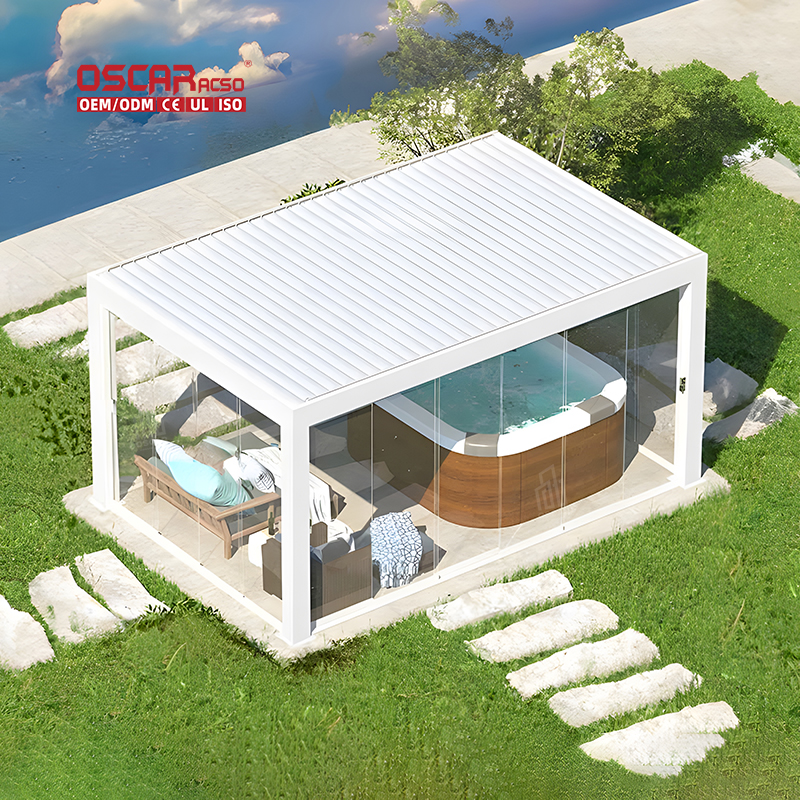
Dreaming of a shaded retreat in the middle of your lush lawn? A common question many homeowners ponder is: can a pergola go on grass? 🧐 The straightforward answer is a resounding yes! However, the key to a successful and long-lasting installation lies not just in placing it on the grass, but in meticulous preparation and choosing the right anchoring method to ensure it remains stable and beautiful for years to come.
*
The Foundation First: Ground Preparation is Everything
Installing a pergola on grass isn’t as simple as just assembling the structure on your lawn. Proper ground preparation is the absolute most critical step for ensuring stability and preventing issues like settling or wobbling.
Here’s how to create a solid base:
- •
Clear and Level: Start by clearing the chosen area of any debris, rocks, and vegetation. Use a rake or shovel to create a perfectly level surface. This eliminates uneven spots that could compromise stability.

- •
Mark the Footprint: Clearly mark the exact perimeter of your pergola using stakes and string. This visual guide ensures precise placement during installation.
- •
Address the Turf: For a more permanent solution, consider removing the top layer of grass and soil within the marked area. This allows you to create a more stable foundation, often involving gravel or a similar material, and helps prevent organic matter from decomposing and causing settling.

A well-prepared base isn’t just about stability; it’s about creating a professional-looking foundation for your outdoor oasis. Investing time here saves you from potential headaches and repairs later.
*
Anchoring Your Oasis: Methods for Maximum Stability
Simply having a level surface isn’t enough. Your pergola needs to be securely anchored to resist wind and weather. The method you choose depends on your desired permanence and local conditions.
For Permanent Stability:
- •
Concrete Footings: This is the gold standard for anchoring. It involves digging holes (typically at least 24 inches deep), placing the posts, and filling the holes with concrete. This creates an incredibly strong and durable foundation that reaches below the frost line to prevent heaving.
- •
Ground Screws/Helical Piers: A modern alternative to concrete, these are metal screws twisted deep into the ground using specialized equipment. They offer excellent stability with less disruption to the surrounding lawn and are often removable.
For Flexibility (No-Drill Options):
- •
Weighted Bases & Planters: For lighter pergolas or those seeking a non-permanent solution, using weighted planters filled with sand, gravel, or concrete attached to the legs can provide sufficient ballast to resist mild winds.
- •
Surface Mount Anchors: These anchors are attached to the pergola’s legs and then secured to patio pavers or a concrete slab placed on the grass, distributing the weight and providing stability without deep digging.
Choosing the right anchor isn’t just about strength; it’s about matching the solution to your lifestyle and local climate. Always prioritize safety and check local building codes.
*
Why Grass? The Unexpected Benefits 🏡
While patios and decks are common pergola bases, grass offers its own unique set of advantages that can enhance your garden’s ambiance.
- •
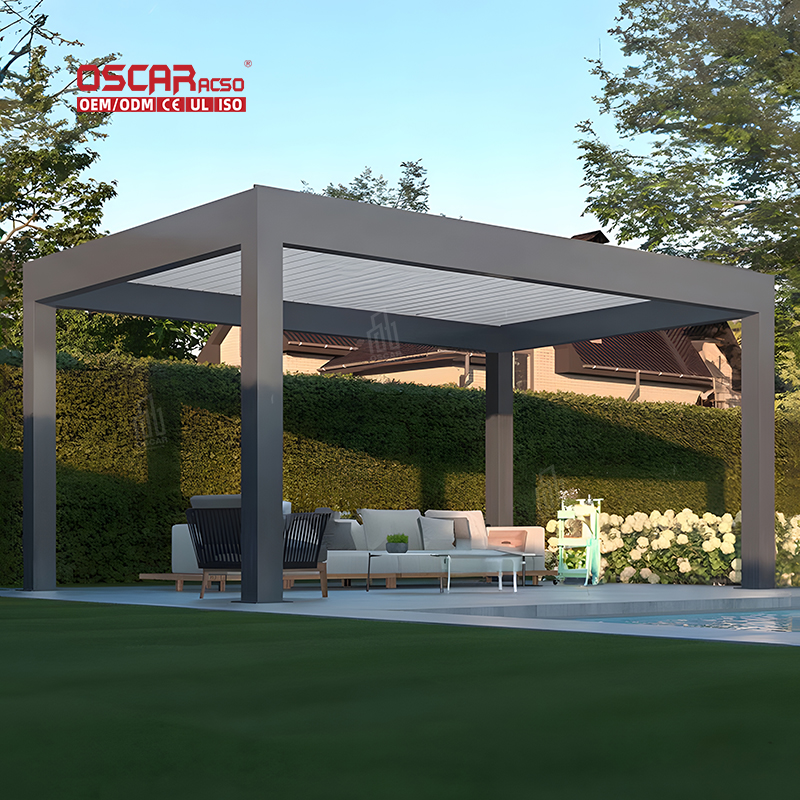
Natural Integration: A pergola on grass seamlessly blends with your garden, creating a natural and organic feel that hardscapes can’t match. It feels like an intrinsic part of the landscape rather than an addition.
- •
Design Flexibility: Free from the constraints of an existing hardscape, you have complete freedom to position your pergola anywhere in your yard to capture the best views or optimal sun and shade patterns.
- •
Cost-Effectiveness: Installing directly on grass can be more budget-friendly upfront than building a new patio or deck, allowing you to allocate more of your budget to the pergola itself or high-quality materials.
The charm of a pergola nestled in green grass is undeniable. It creates a tranquil, park-like setting that encourages relaxation and connection with nature.

*
Material Matters: Choosing the Right Structure
The material of your pergola influences not only its appearance but also its maintenance needs and suitability for grass installation.
- •
Wood (Cedar, Redwood, Pressure-Treated): A classic and popular choice that offers a traditional, natural aesthetic. However, wood requires regular staining or sealing to protect it from the elements, and it’s crucial to keep the posts away from direct soil contact to prevent rot (using concrete footings or metal post anchors is essential).
- •
Aluminum: Arguably the best low-maintenance option for a grass installation. Aluminum is lightweight, naturally rust-proof, and incredibly durable. It won’t warp, crack, or rot, making it ideal for dealing with the moisture present at ground level on a lawn.
- •
Vinyl: Another low-maintenance choice that is weather-resistant and won’t need painting. It can be a great option for a clean, modern look, though its versatility in design can be more limited compared to wood or aluminum.
For a grass-based installation, materials like aluminum and vinyl that resist moisture and require minimal upkeep have a distinct advantage, letting you spend more time enjoying your pergola than maintaining it.
*
Beyond the Basics: Design and Functionality Tips
A pergola on grass can be more than just four posts and a roof. Consider these ideas to maximize its potential.
- •
Create a Floor: Define the space and prevent mud by adding a floor within your pergola. Options include gravel, wood chips, or interlocking patio stones laid on a weed barrier. This creates a clean, dry surface for furniture.
- •
Incorporate Lighting: Extend your enjoyment into the evening by adding outdoor string lights, lanterns, or even integrated LED strips on the beams. It creates a magical atmosphere for nighttime gatherings ✨.
- •
Add Climbing Plants: Encourage vines like wisteria, clematis, or climbing roses to grow up the posts and across the rafters. This enhances the natural look, provides additional shade, and beautifully integrates the structure into your garden.
Your pergola should be a reflection of your needs. Think about how you want to use the space—dining, lounging, gardening—and let that guide your design choices.
*
A Word on Permits and Professional Help 📋
Before you start digging, it’s wise to:
- •
Check Local Regulations: Contact your local building authority to determine if you need a permit for your pergola. Requirements often depend on the structure’s size and sometimes its anchoring method.
- •
Call Before You Dig: Always call your local utility marking service (e.g., 811 in the U.S.) before any excavation to have underground lines marked. This is a critical safety step.
- •
Consider Professional Installation: While a DIY project is possible, hiring professionals can be beneficial for complex designs, ensuring proper anchoring that meets code requirements, and for achieving a flawless finish. They handle the heavy lifting and technical details.
A quick check-in with your local building department can prevent costly mistakes and ensure your project is safe and compliant.
*
.jpg "can pergola go on grass")
Installing a pergola on grass is not only possible but can be a fantastic way to enhance your garden. The journey requires careful planning, a focus on a solid foundation, and choosing an anchoring method that gives you peace of mind. The result is a stunning, functional outdoor room that feels uniquely connected to your landscape. Imagine the countless moments of relaxation and joy it will bring—a true testament to blending architecture with nature.