

Ever wondered what size posts your pergola reallyneeds? 🤔 It’s the foundational question that can make or break your outdoor project. Choosing the correct post size isn’t just about aesthetics; it’s about structural integrity, safety, and ensuring your beautiful structure stands the test of time and weather . Let’s dive into the key factors that guide this crucial decision.
.jpg "pergola what size posts")
📏 Standard Sizes and Their Best Uses
The most common pergola post sizes you’ll encounter are 4×4 inches and 6×6 inches.
- •
4×4 inch posts are typically suitable for smaller, more intimate pergolas covering a modest area, like a cozy nook for a bistro set. They offer a visually pleasing appearance for smaller setups .
- •
6×6 inch posts are the go-to for larger, more expansive structures or those designed to bear heavier loads. They provide enhanced stability and strength, which is essential for pergolas covering patios or outdoor entertaining spaces. They also create a more commanding presence in your landscape .


For very substantial designs or high load capacities, some even opt for 8×8 inch posts.

🌟 Key Factors Influencing Your Choice
Selecting the right post size isn’t a one-size-fits-all decision. Several critical elements come into play.
- •
Pergola Size & Span: This is paramount. Larger pergolas and those with wider spans between posts absolutely require the added strength of 6×6 posts to prevent sagging and ensure stability .
- •
Intended Load: What will your pergola support? The weight of dense climbing vines, a heavy shade covering, or even a swing adds significant stress. For these, upsizing to 6×6 posts is a wise investment for safety and durability .
- •
Material Matters: The material you choose influences the needed size. Wood (especially pressure-treated lumber) is a popular choice and often requires 4×4 or 6×6 dimensions to handle elements and load . Metal posts (aluminum or steel), due to their superior tensile strength, can often be sleeker and smaller while providing comparable or even greater support .
- •
Local Climate: Your environment is a huge factor. If you live in an area prone to high winds, heavy snowfall, or other extreme weather, opting for larger, sturdier 6×6 posts is highly advisable. They are less likely to warp, sag, or fail under these physical stresses .
📐 Height, Depth, and Spacing Essentials
Getting the size right also involves what’s above and below the ground.
- •
Post Height & Proportion: A standard pergola height is between 8 to 12 feet above ground . A good rule of thumb is that taller pergolas often require bulkier posts to maintain visual proportion and physical stability .
- •
Footing Depth is Critical: The stability of your pergola depends on how deep it’s anchored. A common recommendation is to bury one-third of the total post length. For a 10-foot tall post, this means digging a 3-foot deep hole . The diameter of the hole should be at least 10 to 12 inches wide .
- •
Post Spacing: The distance between your posts is directly tied to their size. Larger posts (6×6) can be spaced farther apart, typically around 8 to 10 feet. Smaller posts (4×4) require closer spacing, around 6 to 8 feet, to maintain structural integrity and prevent wobbling .
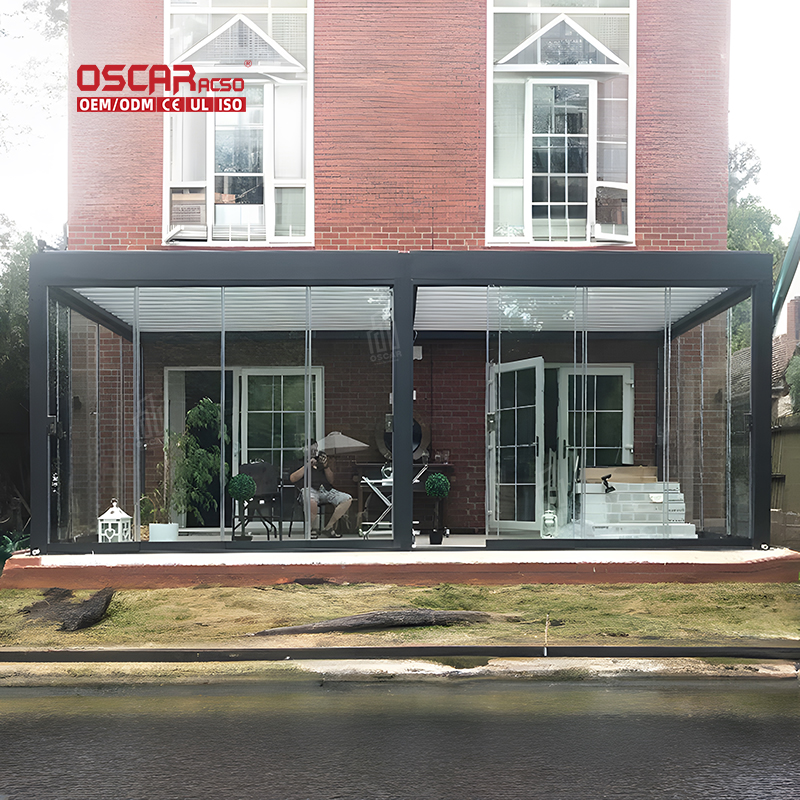
💡 Personal Insight: Beyond the Blueprint
In my view, selecting pergola post size is where practical engineering meets personal vision. While a 4×4 post might technically “work” for a medium-sized patio cover, opting for a 6×6 post transforms it from a simple shade structure into a substantial architectural feature. The added material cost is often justified by the profound impact on perceived quality and long-term peace of mind. It’s the difference between building something that looks nice now and crafting an enduring outdoor room that feels solid and secure for decades. Don’t just build to minimum code; build for the grandeur you want to feel every time you walk underneath it.
🔨 Installation and Compliance
- •
Anchoring Properly: Posts must be securely anchored, often in concrete footings, to prevent shifting or tipping over time, especially in windy conditions .
- •
Check Local Codes: Always consult your local building codes and regulations before starting your project. They often specify minimum requirements for post sizes, footing depth (especially in relation to the frost line), and overall structural safety for outdoor constructions .
Ultimately, the perfect post size balances your design dreams with the practical realities of physics and your local environment. When in doubt, consulting with a structural expert or landscape architect can provide tailored advice for your specific project, ensuring your oasis is both beautiful and built to last .
.jpg "pergola what size posts")