

When designing outdoor spaces, the choice between a solid roof and a pergola is more than just practical—it’s philosophical. While roofs offer full enclosure, pergolas create a unique connection to the outdoors, blending architecture with nature in a way solid structures simply can’t match 🌿.
.jpg "why use a pergola instead of a roof")
The Art of Partial Shade and Playful Light
One of the most compelling reasons to choose a pergola is its mastery of filtered sunlight. Unlike a solid roof that creates stark shadows or full sun exposure, the open lattice design of a pergola provides a perfect balance of light and shade. This creates a beautiful play of light and shadows, adding visual interest and establishing a cozy, inviting atmosphere. It’s an ideal solution for those who enjoy ambient light without the intensity of direct sun.
Seamless Airflow and Natural Ventilation
A pergola’s open structure allows breezes to flow freely, preventing the stuffy, stagnant air that can sometimes accumulate under a solid roof. This natural ventilation is perfect for keeping the space cool and comfortable on warm summer days, making it a delightful place to relax and enjoy the outdoors.
.jpg "why use a pergola instead of a roof")
Architectural Elegance and Garden Integration
Pergolas are more than just functional; they are a statement of style. They add architectural interest, depth, and texture to any outdoor space, serving as an attractive focal point that enhances your garden’s design. Their geometric lines create a striking contrast with natural surroundings, making them perfect for defining dining areas, lounging spaces, or garden pathways. Furthermore, pergolas are ideal for supporting climbing plants like vines or flowers. Over time, this green canopy can provide additional shade and seamlessly blend the structure into your garden, creating a living, evolving architectural feature.
Versatility and Customization Options
The adaptability of a pergola is a significant advantage. You can customize your experience with retractable canopies, fabric covers, or even motorized louvres to adjust the amount of sunlight and protection from light rain. This flexibility allows you to tailor the space to your exact needs, whether you’re hosting a sunny brunch or seeking a shady retreat. They can be freestanding or attached to your home, built over patios, decks, or in the middle of a garden, offering endless possibilities for enhancing your outdoor living experience.
.jpg "why use a pergola instead of a roof")
Cost-Effectiveness and Simplified Construction
Generally, pergolas are a more budget-friendly option compared to constructing a solid roof. The reduced amount of materials and often less complex labor requirements contribute to a lower overall cost. For those who enjoy DIY projects, many pergola kits are available on the market. These kits come with pre-cut materials and clear instructions, making them a feasible project for many homeowners and potentially saving on installation costs.
Defining Space Without Confinement
A pergola excels at creating a sense of an outdoor “room” without the enclosed feeling of walls and a solid ceiling. It provides a defined area for relaxation, dining, or entertaining while maintaining an open, airy connection to the rest of the yard. This makes the space feel larger and more integrated with its natural surroundings.
Boosting Property Value and Appeal
A well-designed pergola can enhance your home’s curb appeal and marketability. Real estate experts note that outdoor living spaces are increasingly sought after by buyers. Estimates suggest that adding a pergola can potentially increase your home’s value by anywhere from 2% to 8%, offering a decent return on investment for a landscaping feature.
Considerations and Potential Limitations
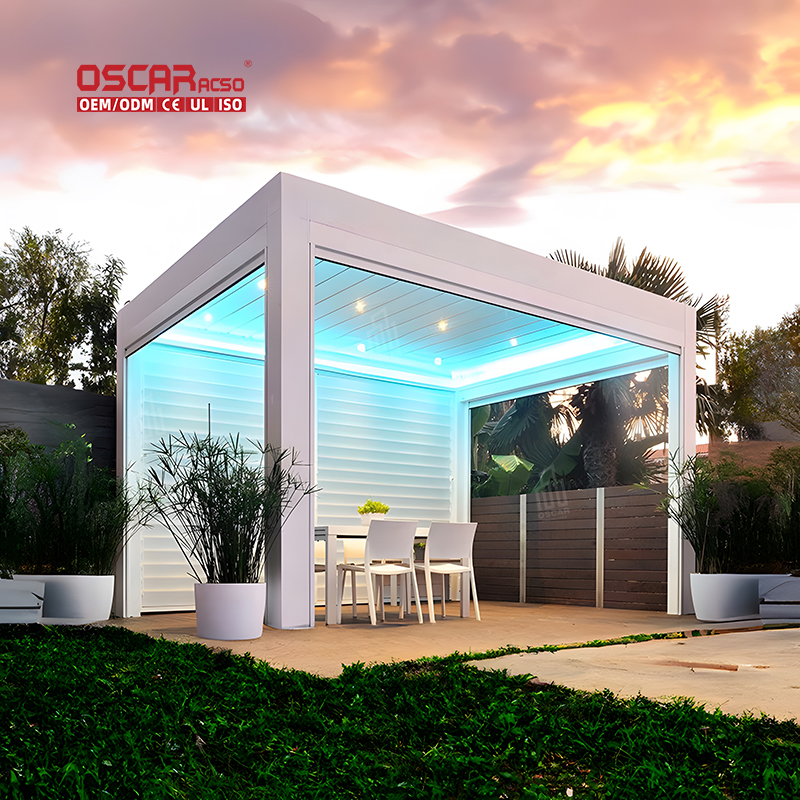
It’s important to have realistic expectations. Pergolas are not designed to provide complete shelter from heavy rain, snow, or intense sun unless modified with additional coverings. Their primary purpose is to provide partial shade and define space. Depending on your climate and how you plan to use the space, this might mean your use is more seasonal. Wooden pergolas, in particular, require regular maintenance like staining or sealing to protect them from weather damage and pests.

The Pergola vs. Roof Decision: It’s About Lifestyle
So, is a pergola or a solid roof the right choice for you? The answer lies in how you envision using your outdoor space.
- •
Choose a pergola if you value a connection to nature, prefer an open and airy feel, desire architectural beauty, and primarily need protection from the sun rather than full weatherproofing.
- •
Opt for a solid roof if you require a space that is truly all-weather, intended for year-round use regardless of rain or heat, and functions more as a fully enclosed extension of your indoor living area.
Ultimately, a pergola isn’t just a structure; it’s a lifestyle choice for those who want to enjoy the outdoors in a comfortable, stylish, and connected way. It’s about embracing dappled sunlight, gentle breezes, and the beauty of your garden, all from a defined and inviting space.