


✨ So, you’re dreaming of that perfect shaded retreat in your backyard? That lovely structure with an open roof, perfect for climbing plants and relaxing? That’s a pergola! But before you get too carried away with vine selections and patio furniture, there’s a fundamental question to answer: How many rafters does your pergola actually need? 🤔
This isn’t just a number pulled from thin air. The correct number and spacing of rafters are crucial for your structure’s stability, shade coverage, and overall aesthetic appeal.
The Short Answer & The Golden Rule
For a standard pergola, rafters are typically spaced 12 to 24 inches on center (from the center of one rafter to the center of the next), with 16 inches being a very common measurement.
.jpg "how many rafters for pergola")
However, the real golden rule is: There is no single universal answer. The number of rafters required is not arbitrary; it’s a calculated decision based on several key engineering and design factors. Relying on a generic answer can lead to a weak or unattractive structure.
Key Factors Determining Rafter Quantity & Spacing
Let’s break down the variables that will dictate your final rafter count and spacing. It’s a balance of physics and aesthetics.
1. Primary Purpose & Desired Shade 🌞
What do you want from your pergola? This is the most important question.
- •
Maximum Shade: If your main goal is to block the sun, you’ll want closer rafter spacing, typically between 12 to 16 inches on center. This creates a denser roof structure that provides more shade throughout the day.
- •
Decorative Appeal & Light Filtering: If you prefer a more open, airy feel or want dappled sunlight, you can opt for wider spacing, around 18 to 24 inches on center. This is ideal if the structure is more for aesthetic definition than full sun protection.
2. Material Strength & Rafter Size 🛠️
The strength and dimensions of your chosen lumber dramatically influence how far they can span without sagging.
- •
Standard Sizes: Pergola rafters are commonly made from 2×4, 2×6, 2×8, or even 2×10 lumber.
- •
Strength Matters: Heavier and stronger materials like thick cedar or redwood can often span longer distances with wider spacing. For larger pergolas, 2″x8″ or 2″x10″ rafters are often recommended for their superior strength.
- •
Lighter Materials: If you’re using lighter or less robust wood, closer spacing will be necessary to ensure the roof structure is stable and can support potential loads like climbing vines.
3. Local Climate & Weather Patterns 🌨️
Your geographic location is a major design consultant. If you live in an area with:
- •
Heavy Snowfall: Snow accumulation is extremely heavy. Your pergola must be designed to hold this added weight without buckling. Closer rafter spacing (e.g., 12 inches) is often essential in these regions to adequately support the snow load.
- •
High Winds: The structure must be able to resist lateral forces. Robust framing and proper spacing are key.
- •
Intense Sun or Heavy Rain: As mentioned, sun exposure dictates shade needs, while areas with heavy rain might use wider spacing to allow water to drain more effectively.
4. Overall Pergola Size & Design 📏
The dimensions of your pergola frame influence the rafter plan.
- •
Larger Spans: For bigger pergolas, using thicker rafters (like 2x8s or 2x10s) allows you to maintain aesthetically pleasing spacing without compromising strength. A larger structure can often handle slightly wider spacing.
- •
Visual Proportion: The spacing should look balanced with the size of the posts and beams. A good rule of thumb is that rafter spacing should not exceed 16 inches on center for structural integrity, especially for wood structures.
5. Additional Loads & Customizations 🌿
What will be on your pergola?
- •
Climbing Plants: Lush vines like wisteria or grapevines add significant weight, especially when wet. If you plan to grow plants, closer rafter spacing provides better support for the vegetation.

- •
Solid Roof Panels or Canopies: Adding a solid roof or a retractable canopy significantly increases the weight and wind load. This will almost certainly require more rafters at closer spacing and a more robust overall frame to handle the extra forces safely.

Standard Spacing at a Glance
|
Purpose |
Recommended Spacing (on center) |
Ideal For |
|---|---|---|
|
Maximum Shade & Support |
12″ – 16″ |
Snowy areas, climbing plants, solid roofs
|
|
Balanced Shade & Style |
16″ – 19.2″ |
Most standard pergolas, all-purpose use |
|
Open, Airy Feel |
20″ – 24″ |
Decorative purposes, sunnier climates |
.jpg "how many rafters for pergola")
Calculating the Number of Rafters: A Simple Approach
Here’s a quick way to estimate the number of rafters you’ll need:
- 1.
Determine the length of your pergola where the rafters will be installed (e.g., 10 feet = 120 inches).
- 2.
Choose your desired spacing (e.g., 16 inches on center).
- 3.
Divide the length by the spacing: 120 inches / 16 inches = 7.5
- 4.
Round up to the next whole number and add 1: 8 + 1 = 9 rafters.
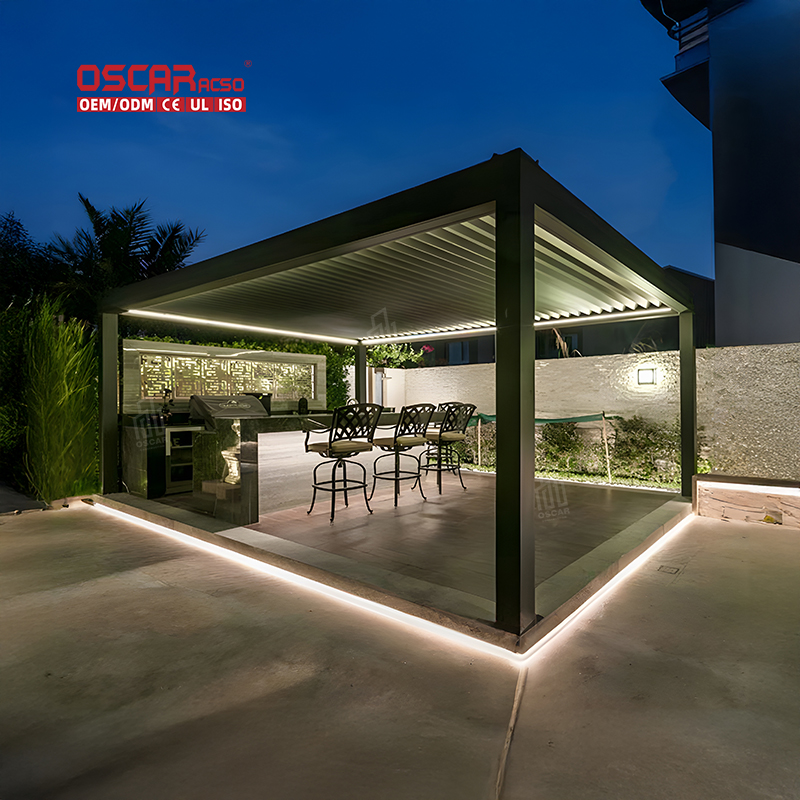
This formula gives you a good starting point. Remember, the first and last rafter are placed at the ends of the span.
Pro Tips & Common Pitfalls to Avoid
- •
Consistency is Key: However you choose to space them, keep the distance between all rafters consistent for both structural integrity and visual appeal.
- •
Check Local Codes: Always consult local building codes before finalizing your design. They may have specific requirements for structural spacing that you must follow.
- •
When in Doubt, Add More: If you’re unsure between two spacing options, choosing the closer spacing is generally the safer bet. It provides more support and shade.
- •
Consider a Professional: For large, complex, or attached pergolas, consulting with a structural engineer or experienced builder is highly recommended. Their expertise can ensure your design is safe and sound.
Conclusion: Your Perfect Pergola Awaits
The number of rafters isn’t just a math problem; it’s a design choice that blends function and form. By understanding the whybehind the spacing—shade, materials, climate, and load—you move from guessing to informed designing.
Don’t just build a pergola; craft an outdoor experience. Whether you crave deep shade for summer lounging or an open structure for light and vines, the right rafter plan is your blueprint to success. 🍹