

.jpg "how big of a pergola do i need")
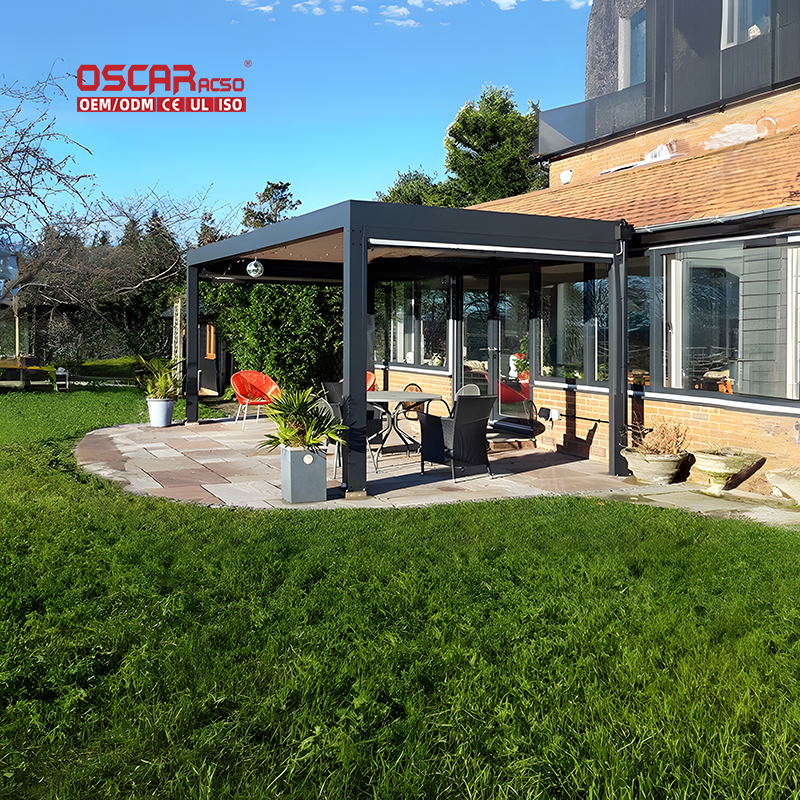
So, how big of a pergola do you really need? 🤔 This common puzzle hinges on your unique space and dreams. There’s no universal answer, but popular sizes like a versatile 10×10 feet or a more spacious 12×16 feet offer fantastic starting points for creating your outdoor haven.
Start With Your Space and Purpose 🏡
.jpg "how big of a pergola do i need")
First, grab a tape measure! Precisely measure the length and width of your intended spot. Don’t forget to note any obstacles like trees, walkways, or existing structures that might influence placement.
Next, define your pergola’s main purpose. Is it for:
- •
Intimate relaxation? A small nook for two requires less space.
- •
Al fresco dining? You’ll need room for a table, chairs, and movement around them.

- •
Grand entertaining? Think larger to accommodate lounge sets, maybe even a fire pit.
Your intended use dramatically dictates the dimensions. A dining area needs more space than a simple lounge corner.
.jpg "how big of a pergola do i need")
Standard Sizes for Every Dream 🌟
While customization is king, standard sizes provide excellent guidance:
- •
Cozy & Small (8’x8′ to 10’x10′): Perfect for a bistro set or a couple of lounge chairs, ideal for compact patios or balconies.
- •
Versatile & Medium (10’x12′ to 12’x12′): A great fit for a four-person dining set or a sectional sofa, suitable for medium-sized decks.
- •
Spacious & Large (12’x16′ to 16’x20′): Accommodates larger gatherings, big dining sets, or multiple functional zones like combined lounging and dining areas.
Pro Tip: Always choose a pergola height between 8 to 12 feet. This ensures comfortable headroom and maintains pleasing proportions against your house.
Key Factors Shaping Your Decision ⚖️
Several elements beyond mere square footage will guide your choice:
- •
Material Matters: The stuff it’s made of affects possible spans. Wood and fiberglass beams can often span up to 20 feet without extra support, while PVC or aluminum might need posts at 12-14 foot intervals.
- •
Attached vs. Freestanding: An attached pergola (fixed to your house) often allows for larger sizes and longer beams due to the added support from the building. A freestanding one might need more supports or be limited by property line setback rules.
- •
Sun & Orientation: Consider the sun’s path. Where does the harsh afternoon sun hit? Positioning your pergola to block it can make your space much more comfortable.
- •
Furniture First: A pro tip is to select your outdoor furniture first, then size the pergola to fit it comfortably, ensuring ample room to walk around.
- •
Local Rules: Always check local building codes and HOA rules! They might restrict size, height (often over 10 feet), or how close you can build to property lines. Getting this wrong can be costly.

Visualize Before You Build 👀
It’s crucial to seethe size before committing:
- •
Stake It Out: Use stakes and string or a garden hose to mark the pergola’s footprint on the ground. Place your actual furniture inside this space. Can you move around comfortably? Does it feel right?
- •
Think Vertical: Remember height! An 8-foot ceiling feels intimate, while a 12-foot one feels grand and airy. Choose based on the vibe you want.
Beyond the Basics: Customization & Style 🎨
Your pergola should reflect you. Custom sizes are always an option if standard dimensions don’t fit your unique space or vision—though they often come with a higher price tag.
Consider these add-ons that might influence your design:
- •
Climbing plants for natural shade and beauty.
- •
Integrated lighting or ceiling fans for comfort and ambiance.
- •
Privacy screens or drapes for a more secluded feel.
Remember, a well-proportioned pergola does more than provide shade—it can significantly boost your property’s curb appeal and value.
The perfect pergola size isn’t just about measurements; it’s about how you want to live outdoors. It’s the sweet spot where your available space, functional needs, and personal style converge to create your ideal retreat.