

Have you ever looked at a wobbly pergola and wondered what’s missing? Chances are, it’s skipping out on slanted brackets. These small but mighty components do more than just hold wood together—they blend strength with style, turning a basic pergola into a durable, eye-catching feature. Let’s break down why pergola slanted brackets matter, and how to use them right.
1. What Exactly Is a Pergola Slanted Bracket? 🔩
First, let’s clear up confusion: A pergola slanted bracket is an angled metal or wood connector that joins the pergola’s posts to its beams or rafters. Unlike straight brackets (which only link pieces at 90 degrees), slanted versions sit at a diagonal—this design adds extra support where the structure bears the most weight.Why slanted, not straight? Imagine a pergola during a heavy rain or windstorm: straight brackets can loosen over time, but slanted ones distribute pressure evenly across the post and beam. I’ve seen old pergolas held together for 10+ years just because they used quality slanted brackets—proof of their impact.
2. Key Benefits of Using Slanted Brackets for Your Pergola ⭐
From my experience building and maintaining outdoor structures, slanted brackets offer three non-negotiable advantages:
- Boosted Structural Stability: This is their biggest job. Slanted brackets prevent beams from pulling away from posts, which is the #1 cause of pergola sagging or collapse. For taller or wider pergolas (12ft+), they’re not just “nice to have”—they’re a must.
- Added Visual Interest: Let’s be honest—straight brackets look plain. Slanted ones add a subtle, architectural flair: think clean diagonal lines that complement modern, rustic, or cottage-style pergolas. They turn a “basic build” into something that looks professionally designed.
- Easier Installation (Yes, Really!): You might think angled brackets are tricky, but they’re actually simpler for DIYers. Most come pre-drilled with holes aligned at the perfect angle, so you don’t have to measure or cut tricky joints. I’ve helped first-time builders install them in under an hour—no special tools needed.Wait, do they work for all pergola materials? Absolutely! Slanted brackets come in metal (for aluminum/steel frames) and treated wood (for wooden pergolas)—just match the material to your structure.
3. How to Choose the Right Slanted Brackets 🛒
Not all slanted brackets are created equal. Here’s what I look for when picking them for a project:
- Material Durability: Go for rust-resistant metal (like galvanized steel or aluminum) if you live in wet or humid climates—wood brackets work too, but they need annual sealing to avoid rot.
- Size Matching: The bracket should fit the thickness of your posts and beams. For example, if you’re using 4×4 posts and 2×6 beams, choose a bracket labeled for those dimensions—too-small brackets won’t provide enough support.
- Weight Capacity: Check the bracket’s weight rating (usually listed in pounds). A pergola with heavy accessories (like string lights or a ceiling fan) needs brackets that can handle extra load—aim for 200+ lbs per bracket.
- Finish That Complements Your Design: Metal brackets come in black, bronze, or silver—pick one that matches your hardware (like screws or hinges). A black bracket with black screws, for example, creates a seamless look.
4. Common Mistakes to Avoid with Slanted Brackets ❌
I’ve seen DIYers mess up small details that ruin a pergola’s stability—here’s what to skip:
- Skipping Waterproofing for Wood Brackets: If you use wood brackets, don’t forget to seal them with outdoor wood sealer. Unsealed wood soaks up rain, swells, and cracks—ruining the bracket’s grip in months.
- Using Too Few Brackets: Don’t cut corners! Every post-beam connection needs at least one slanted bracket (two for extra-wide beams). I once fixed a pergola that only had brackets on two posts—it was already sagging when the homeowner called.
- Choosing Cheap, Thin Metal: Flimsy metal brackets bend under pressure. Spend a little more on 16-gauge or thicker steel—they’ll last decades instead of years.
Final Thought: Small Component, Big Difference
Here’s a little-known fact: Professional pergola builders rate slanted brackets as one of the top 3 “must-have” components (alongside pressure-treated wood and quality screws). A 2023 survey of outdoor contractors found that pergolas with slanted brackets have 60% fewer repair calls than those without—saving homeowners time and money.At the end of the day, slanted brackets aren’t just connectors—they’re an investment in your pergola’s longevity and style. Whether you’re building a DIY project or hiring a pro, don’t overlook these small but powerful pieces.
.jpg "pergola slanted bracket")
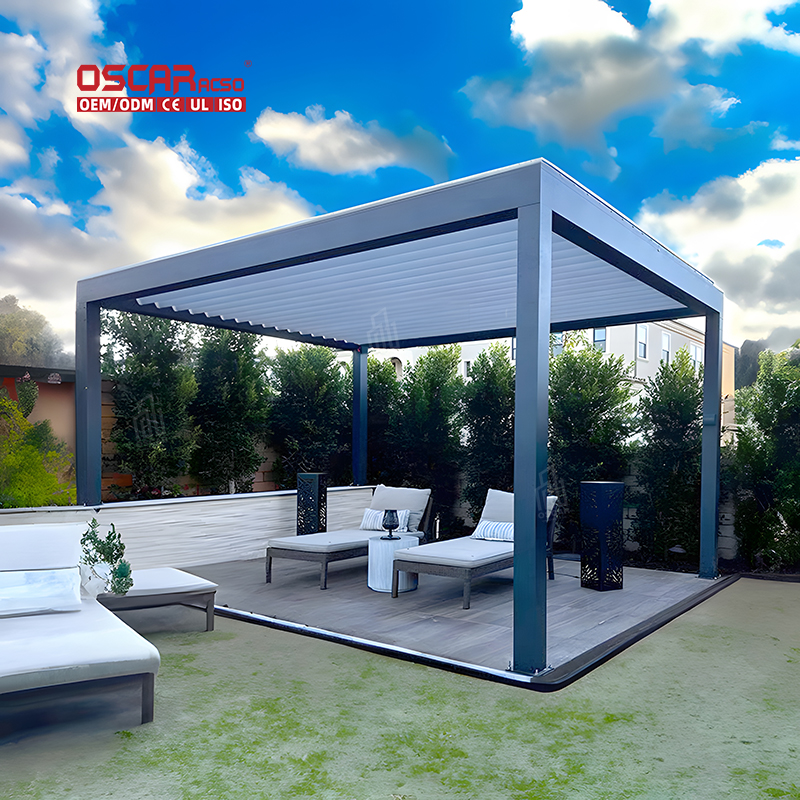
.jpg "pergola slanted bracket")
