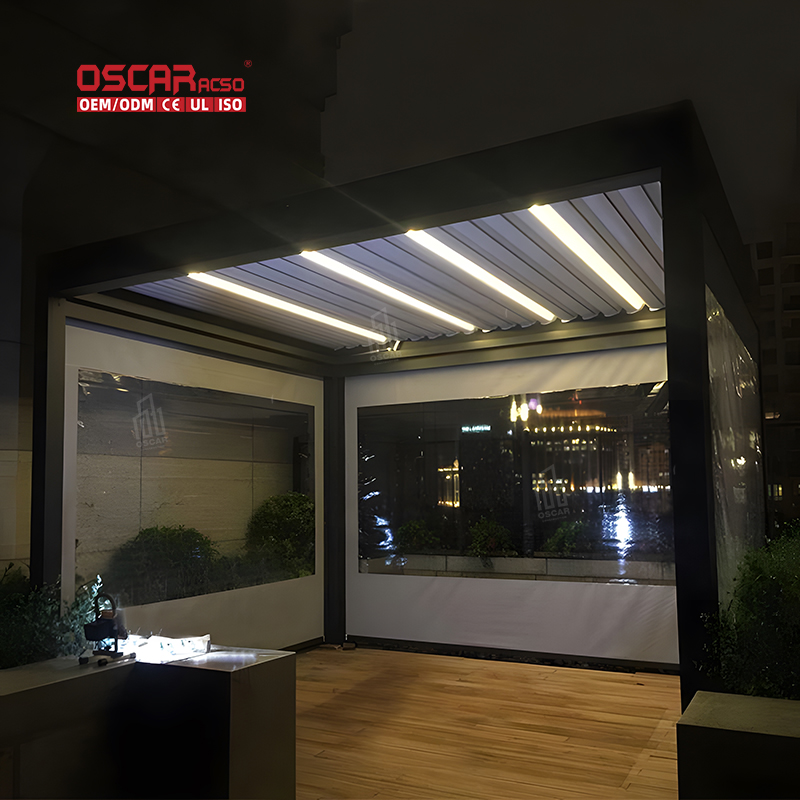
🌞 Imagine a structure that provides shade for your outdoor gatherings and generates clean, renewable energy to power your home. That’s the magic of a solar panel pergola. It’s not just an upgrade; it’s a complete reimagining of how we use our outdoor spaces, blending sustainable technology with elegant design to create a functional powerhouse in your backyard.
.jpg "pergola solar panel")
🔍 What Exactly is a Solar Pergola?
A solar pergola is a hybrid structure that combines the classic architectural form of a pergola with integrated photovoltaic (PV) panels. Unlike traditional rooftop solar arrays, these panels form the very roof of the pergola itself. This ingenious design transforms a simple shade provider into a decentralized power plant, generating electricity while offering a comfortable, sheltered outdoor living area.
Why are they becoming so popular? They offer a perfect solution for homes with roofs that are unsuitable for solar panels due to age, shading, orientation, or structural concerns. It’s a roof-free solution that allows you to take control of your energy production without any compromises.
⚡ How Does a Solar Pergola Actually Work?
The core principle is the photoelectric effect. Sunlight hits the silicon cells within the solar panels, knocking electrons loose and creating a flow of direct current (DC) electricity.
.jpg "pergola solar panel")
But here’s the clever part: since our homes use alternating current (AC), this DC power needs to be converted. This is where microinverters shine. These compact devices are attached to individual panels, converting DC to AC right on the spot. This is particularly efficient for pergolas, as it mitigates shading losses from crossbeams or passing clouds. The generated electricity can then power your home, with excess energy fed back to the grid for credits or stored in a home battery for use at night.
🛠️ Key Considerations for Your Solar Pergola Project
Structural Integrity & Weight: This is paramount. Solar panels are not lightweight, typically adding 2-3 pounds per square foot. Retrofitting an existing pergola often requires significant structural reinforcement. For new builds, it’s crucial to design the structure from the ground up to handle this load, with materials like steel (handling ~50 lbs/sf) or aluminum (~35 lbs/sf) being preferred for their strength.
Optimal Positioning & Angle: One of the biggest advantages over rooftop systems is customization. You can design your pergola for peak solar performance, ideally facing south with an tilt angle between 30° to 45° (or equal to your latitude) to maximize sun exposure throughout the year.
Component Selection: Choosing the right parts ensures efficiency and longevity.
- •
Panels: Bifacial solar panels are a top choice, generating energy from both sides and offering a sleek, modern look. Models like the Aptos DNA Bifacial 370W or Q CELLS Q.PEAK DUO 480W combine high efficiency (over 20%) with durability.
- •
Inverters: As mentioned, microinverters (e.g., Enphase IQ8 series) are ideal for panel-level optimization, especially in partially shaded conditions.
- •
Wiring: Use 10-12 AWG copper cables to minimize voltage drop over the pergola’s span.
💡 Design Ideas to Maximize Function and Style
Your solar pergola can be as unique as your home. Modern manufacturing allows for incredible flexibility.

- •
Integrated Lighting: Embed LED spotlights or mood lighting into the structure to create a magical ambiance and extend usability into the evening.
- •
Retractable Canopies or Louvers: For ultimate flexibility, some designs feature adjustable louvers or retractable fabric canopies, allowing you to control shade and sunlight penetration.
- •
Built-in Seating & Planters: Create a seamless, cozy nook by incorporating built-in benches or planters for climbing vines, which can add a touch of natural beauty.
- •
Material Mix: Combine materials like powder-coated aluminum for a modern look or reclaimed wood for a rustic charm, ensuring they are durable and weather-resistant.
💰 Costs, Savings, and Incentives
Let’s talk numbers. A solar pergola is a significant investment, with installation costs typically ranging from 25,000to40,000 for a 6kW system. This cost includes panels, structural materials, inverters, and labor.
However, the long-term value is substantial:
- •
Federal Tax Credit: You can claim a 30% federal Investment Tax Credit (ITC) on the total cost of the system, including installation.
- •
Energy Savings: Generate significant savings on your electricity bills, often between 1,200to2,000 per year, leading to a payback period of roughly 7-10 years.
- •
Increased Property Value: This upgrade enhances your home’s value and appeal.
🔧 Installation and Maintenance: What to Expect
Professional Installation is Key. Due to the complex interplay of structural engineering, electrical work, and permitting, hiring licensed professionals is highly recommended. The process can take 2-4 weeks and involves securing permits, pouring concrete footings (18-24 inches deep for stability), assembling the frame, and connecting the electrical components to your home and potentially the grid.
Maintenance is Surprisingly Simple. The primary task is keeping the panels clean. A periodic rinse with a garden hose or a soft brush with deionized water will prevent dust, pollen, and bird droppings from reducing efficiency (which can drop by 15-25% if dirty). An annual check of electrical connections for corrosion is also advised.
❓ Frequently Asked Questions
Q: Can I add solar panels to my existing pergola?
A: It is possible, but proceed with caution. The existing structure must be robust enough to support the additional weight (2-3 lbs/sf) and may require reinforcement. Consulting a structural engineer is essential.
Q: Do I need a permit for a solar pergola?
A: Yes, always. You will typically need structural, electrical, and zoning permits. Local building codes will dictate specific requirements, such as wind load ratings.
Q: Can a solar pergola work off-grid?
A: Absolutely. By pairing it with a sufficiently large battery storage system (e.g., a 10kWh+ LiFePO4 battery) and a charge controller, you can create a fully independent power source for cabins or remote homes.
.jpg "pergola solar panel")
Q: What about snow and hail?
A: Quality panels are built to withstand harsh weather. Most use impact-resistant tempered glass (3-4mm thick) that can handle 1-inch hail at 50 mph. Proper structural design also accounts for snow loads.
Embracing a solar panel pergola is a powerful statement. It’s about choosing resilience, sustainability, and intelligent design. It transforms your patio into a productive retreat that shelters you from the sun while harnessing its power, ultimately leading to greater energy independence and a lighter environmental footprint.