

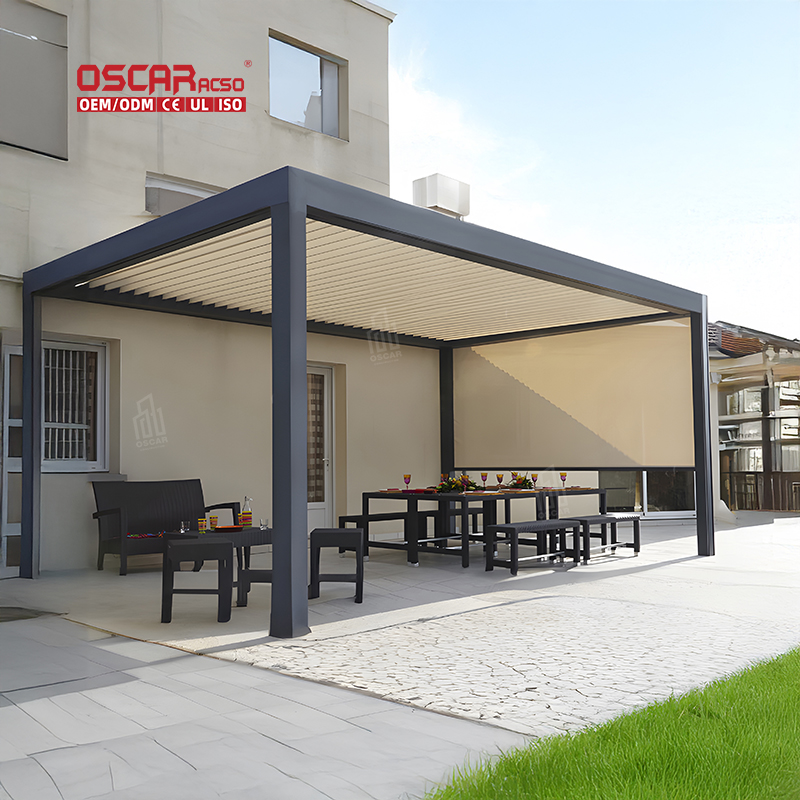
A pergola is the heart of many backyards, and its retractable zip screen is the unsung hero that transforms it from a simple structure into a versatile outdoor room. When that screen malfunctions, it can feel like a disaster. But what if you could easily troubleshoot and repair it yourself? Understanding the spare parts and maintenance techniques for your pergola’s zip screen can save you time, money, and a lot of frustration, ensuring your sanctuary remains perfect for every season. 😊
🔧 Identifying Common Zip Screen Issues & Their Spare Parts
The first step to a successful repair is accurate diagnosis. Pergola zip screens, though durable, face constant exposure to sun, wind, and debris. Several common issues can arise, each potentially requiring a different spare part or approach.
- •
A Broken or Stuck Zipper: This is perhaps the most frequent problem. The slider may not close properly, the teeth won’t interlock, or it gets completely jammed. Often, this is due to a misaligned slider, worn-out teeth, or a lack of lubrication. Sometimes, the fix is as simple as cleaning and lubricating the track, but it might require a replacement zipper pull or even a whole new zipper chain.
- •
A Torn Screen Fabric: Sharp objects, pet claws, or strong winds can puncture or tear the screen mesh. A small tear can quickly become a large rip, compromising your protection from insects and debris. For this, a screen patch kit is an essential spare part to have on hand for a quick and effective repair.
- •
Loose or Damaged Side Tracks: The tracks guide the screen up and down. If they become bent, warped, or loose from the pergola’s frame, the screen will not operate smoothly. You might need to tighten screws or, in severe cases, straighten or replace the aluminum sidetracks.
- •
Malfunctioning Roll-Up Mechanism: For retractable screens, a failure to roll smoothly often points to an issue with the internal mechanism. This could be a broken spring, a jammed roller, or a problem with the crank handle. Repairing this typically requires disassembling the housing to inspect and potentially replace these internal components.
Having a basic understanding of these common failures empowers you to identify the problem quickly and determine if it’s a simple DIY fix or requires a specific replacement part.
🛠️ Your DIY Repair Toolkit: Must-Have Spare Parts & Tools
Tackling most zip screen repairs requires a handful of common tools and some key spare parts. Keeping these items in your garage will prepare you for almost any common issue.
Essential Tools for the Job:
- •
Screwdrivers: Both Philips and flat-head for removing panels and components.
- •
Pliers & Needle-Nose Pliers: Essential for gripping, bending, and removing small parts like stoppers.
- •
Allen Keys: Many pergola kits, like those from PERGOLUX, use Allen key bolts for assembly and adjustment.
- •
Measuring Tape & Scissors: For precise measurements and cutting new materials.
- •
Lubricant: Graphite powder, a bar of soap, or silicone spray can work wonders on a sticky zipper track.
Critical Spare Parts to Keep on Hand:
- •
Replacement Zipper Pull: If the pull tab breaks off, a new one can save the entire zipper.
- •
Screen Patch Kit: A self-adhesive mesh patch is invaluable for fixing tears quickly and permanently.
- •
Spare Screws and Bolts: Over time, fasteners can rust or get lost. Having a few extra M6x16 or M8x20 screws (common in kits like PERGOLUX’s) ensures you can secure everything tightly.
- •
Sidetracks: For major impacts, having a spare section of track can be a lifesaver.
- •
Spare Zipper Slider: A must-have for when the current slider becomes too worn or damaged to guide the teeth properly.
Pro Tip: When ordering spare parts, always have your pergola’s make and model ready. Brands like PERGOLUX have specific part numbers (e.g., PPZS01 for the zip-screen body) to ensure perfect compatibility.
⚙️ Step-by-Step: Fixing a Broken Zipper & Replacing the Pull
A non-functioning zipper can be particularly annoying. Here’s how to get it moving smoothly again or replace the pull tab.

Fixing a Stuck or Misaligned Zipper:
- 1.
Inspect and Clean: First, check for any obvious obstructions like fabric, dirt, or a bent tooth. Gently clear any debris with tweezers.
- 2.
Lubricate: Rub a graphite pencil, a bar of soap, or a small amount of silicone spray along the teeth. This is often enough to get a sluggish zipper gliding again.

- 3.
Realign the Slider: If the teeth aren’t meshing, the slider might be misaligned. Carefully use pliers to gently squeeze the top and bottom of the slider to tighten its grip on the teeth.

Replacing a Zipper Pull:
.jpg "pergola spare pards screen zip")
- 1.
Remove the Old Stopper: Use pliers to carefully pry off the metal stopper at the top of the zipper track.
- 2.
Slide Off the Old Pull: Once the stopper is removed, the old slider should slide right off the end of the tape.
- 3.
Attach the New Pull: Slide the new replacement pull onto the track from the top.
- 4.
Create a New Stopper: You can often re-crimp the original stopper or create a new one by sewing a few tight stitches with strong thread at the top of the zipper tape to prevent the slider from coming off again.
🩹 Patching a Torn Screen: A Quick and Durable Fix
A tear in your screen doesn’t mean you need to replace the whole thing. Patching is a simple and effective solution.
- 1.
Clean the Area: Use a damp cloth to thoroughly clean the area around the tear, removing all dirt and dust. This ensures the patch adhesive will stick properly.
- 2.
Cut the Patch: Cut a piece from your screen patch kit that is large enough to cover the tear entirely, with at least an extra half-inch of overlap on all sides.
- 3.
Apply the Patch: Peel off the backing and carefully place the patch over the tear, applying firm pressure from the center outward to eliminate any air bubbles and ensure a strong seal.
- 4.
Let it Cure: Allow the adhesive to dry completely according to the kit’s instructions before operating the screen.
This method provides a nearly invisible repair that restores the screen’s functionality and prevents the tear from expanding.
🛒 Sourcing the Right Spare Parts: Compatibility is Key
You can’t just use any zip or screen replacement. Using the correct, compatible parts is critical for a lasting repair.
- •
Know Your Model: Always identify your pergola’s brand and model number before ordering parts. A part for a PURPLE LEAF pergola might not fit a PERGOLUX or NOVA model.
- •
Measure Twice, Order Once: For screen fabric, note the exact dimensions and material type (e.g., fiberglass or polyester). For tracks and zippers, precise measurements of length and profile are essential.
- •
Prioritize OEM Parts: Whenever possible, source Original Equipment Manufacturer (OEM) parts. They are guaranteed to fit and perform as intended. For example, PERGOLUX provides specific part numbers for every component, from the main body (PPZS01) to the smallest screw.
- •
Consider Upgrades: If you’re replacing a part, see if there’s an improved version available. For instance, you might upgrade to a heavier-duty screen fabric for better durability against pets or harsh weather.
💡 Proactive Care: Preventing Future Issues
The best repair is the one you never have to make. Regular maintenance can significantly extend the life of your pergola’s zip screen.
- •
Regular Cleaning: Gently clean the screen fabric with mild soap and water to prevent dirt buildup. Keep the tracks free of leaves and debris.
- •
Seasonal Lubrication: Apply a dry lubricant like graphite or silicone spray to the zipper teeth and tracks once or twice a year to ensure smooth operation.
- •
Gentle Operation: Always open and close the screen with steady, even pressure. Avoid yanking it, especially if it feels stuck.
- •
Proper Winter Storage: If you live in an area with harsh winters, consider removing the screen fabric and storing it in a dry place to protect it from snow and ice damage, as some savvy pergola owners do.
By integrating these simple habits, you’ll protect your investment and enjoy a flawless outdoor experience for years to come.
⚠️ When to Call a Professional: Recognizing Your Limits
While many repairs are perfectly suited for DIY, some situations call for expert help. Don’t hesitate to call a professional if:
- •
The structural frame of your pergola is damaged.
- •
The internal roll-up mechanism is broken and requires disassembly you’re not comfortable with.
- •
The damage is extensive, and you need to replace the entire screen assembly.
- •
You’ve attempted a repair, but the screen still doesn’t function correctly.
Knowing when to call in a pro can save you from causing accidental further damage and ensure the job is done safely and correctly the first time.
.jpg "pergola spare pards screen zip")
Investing in a few key spare parts and learning basic maintenance transforms you from a worried owner into a confident caretaker of your outdoor oasis. Embrace the DIY spirit, and you’ll never be sidelined by a faulty zip screen again. 🎉