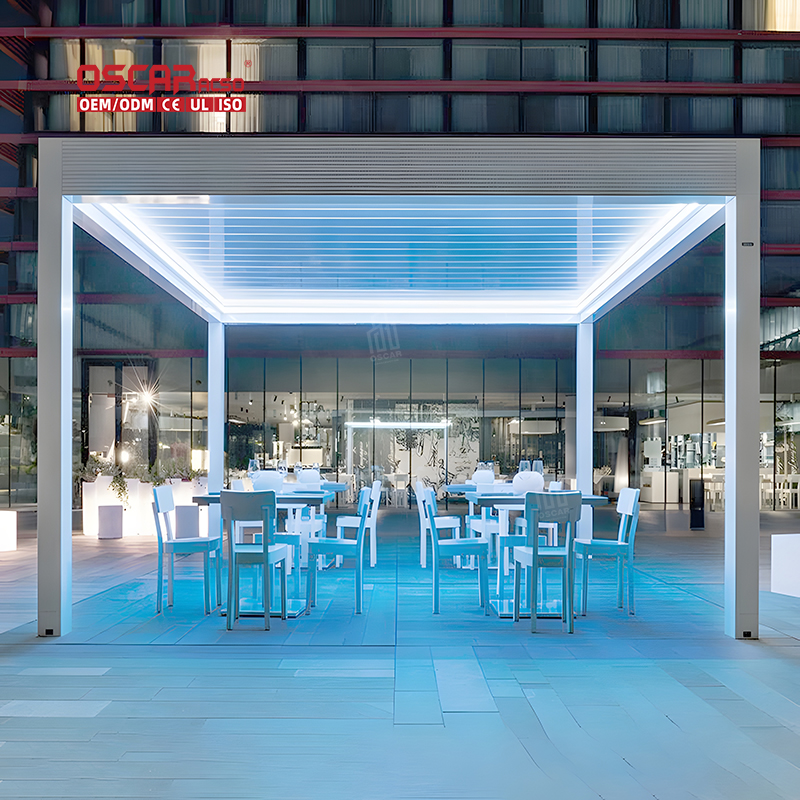
Ever been caught in a sudden downpour while enjoying your pergola? ☔ That moment when rain starts dripping through the slats can be frustrating. But what if your pergola could become a dry, sheltered retreat instead of an abandoned space when clouds gather?The truth is, with modern design innovations, your pergola doesn’t have to be fair-weather furniture. It can become your favorite spot to watch the rainfall while staying completely dry and comfortable. Let’s explore how you can master the art of rainy day pergola living.
🌧️ Understanding the Rain Challenge
Traditional pergolas were designed as open-air structures with slatted roofs—perfect for creating dappled sunlight but notoriously inadequate for rain protection. The gaps between beams that allow climbing plants to thrive are the same ones that let rainwater through.Why does this matter? Without proper protection, rainwater can:
• Damage your outdoor furniture and flooring
• Create slippery surfaces that pose safety hazards
• Limit your pergola’s usability to only sunny days
• Cause wood structures to deteriorate faster
But here’s the good news: contemporary pergola solutions have completely redefined what’s possible during wet weather.
🏗️ Revolutionary Waterproofing Solutions
Retractable Roof Systems
The game-changer in pergola weather protection. These innovative systems feature:
• Motorized louvres that rotate with a single button press
• Complete closure capability against rain while maintaining ventilation
• Remote control operation for quick adjustment as weather changes
• Durable aluminum construction that withstands heavy rainfall
Integrated Drainage Systems
Advanced pergolas now incorporate hidden drainage channels that:
• Redirect rainwater away from the sitting area
• Prevent water pooling on surfaces
• Handle substantial rainfall without overflow
• Work seamlessly with gutter systems for complete water management
Solid Roof Options
For those seeking permanent protection:
• Polycarbonate panels – waterproof while allowing light transmission
• Tempered glass roofs – creating a greenhouse-like effect
Your pergola’s performance in rain depends heavily on material selection:Powder-coated aluminum stands out for its exceptional weather resistance, combining lightweight properties with rust-resistant capabilities that make it ideal for wet conditions.Hardwoods like oak offer natural durability but require regular treatment with water-repellent preservatives to maintain their weatherproof qualities.Vinyl pergolas provide low-maintenance waterproofing but may lack the structural robustness of metal or wood alternatives.Composite materials are emerging as innovative solutions that blend weather resistance with minimal maintenance requirements.The secret to maximum rain protection? Combining materials strategically—using aluminum for framework with polycarbonate roofing, for instance.
🛡️ Additional Protection Strategies
Side Enclosures
Sometimes rain comes in sideways—here’s how to block it:
• Retractable side screens that deploy when needed
• Fixed glass panels for permanent wind and rain protection
• Privacy screens that double as weather barriers
• Zipscreen systems that offer protection from sun, wind, rain, and insects
Smart Weather Adaptations
Technology integrates seamlessly with modern pergolas:
• Rain sensors that automatically close louvres at the first drop
• Wind detectors that retract covers during storms
• App-controlled systems that let you manage protection remotely
• Scheduled operations based on weather forecasts
Temporary Cover Solutions
For existing pergolas without built-in protection:
• Seasonal covers that install quickly when needed
💡 Maintenance for Rain Readiness
Even the best pergola needs regular maintenance to stay weatherproof:For wooden structures:
• Annual sealing with water-repellent stains
• Checking for and replacing any rotted sections
• Ensuring proper drainage away from the structure
For metal pergolas:
• Inspecting for rust spots annually
• Touching up powder coating as needed
• Cleaning drainage channels to prevent blockages
For all pergolas:
• Testing motorized components before rainy season
• Cleaning roof surfaces to prevent water pooling
• Checking anchor points and structural integrity
Regular maintenance isn’t just about preservation—it’s what transforms a simple structure into a four-season outdoor room that stands up to whatever the sky delivers.
🌟 Beyond Shelter: The Rainy Day Experience
A weatherproofed pergola becomes more than just dry space—it creates magical moments:
• The sound of rain on the roof becomes ambient music
• Steam rising from hot drinks on cool, damp days
• The cozy atmosphere of an outdoor space while elements play beyond
• Extended outdoor time that isn’t limited by weather conditions
The psychological benefit is profound: having a protected outdoor space during rain can be incredibly therapeutic and relaxing.
💎 The Ultimate Question: Can a Pergola Really Be Watertight?
The answer might surprise you: Yes, modern pergolas can achieve near-complete water resistance.While traditional slatted structures will always allow some moisture through, today’s bioclimatic pergolas with rotating louvres, integrated drainage, and sealed connections can create genuinely dry spaces even during heavy rainfall.The key is understanding that “waterproof” exists on a spectrum—from basic drip protection to fully weatherproof environments suitable for housing outdoor electronics and furniture.Transforming your pergola into a rain-ready retreat isn’t just about staying dry—it’s about reclaiming your outdoor living space 365 days a year. The investment in proper weather protection pays dividends in expanded usability, increased property value, and the simple joy of watching a summer storm from the comfort of your own sheltered oasis.The most forward-thinking homeowners are no longer asking “what happens to my pergola when it rains?” but rather “how can I design my pergola to make rainy days even more enjoyable?” That shift in perspective changes everything about outdoor living design 🌈


.jpg "pergola when it rains")