

Ever walked past a pergola and thought, “Why doesn’t it have a full roof?” It’s not an oversight—pergolas are intentionally designed without solid tops. Let’s dive into why that’s the case, and how this choice shapes their purpose.
1. The Core Purpose: Balance Between Shade and Openness 🌞
Pergolas aren’t meant to be fully enclosed—their “no roof” design serves a specific goal:
- Dappled Sunlight: The open slats let soft, filtered light pass through, so you stay cool without feeling shut off from the sky. Unlike a gazebo (which has a solid roof), you can still enjoy the warmth of the sun without harsh UV rays beating down.
- Airflow: Without a solid top, breeze circulates freely. This keeps the space from feeling stuffy, even on hot days—perfect for sipping coffee or hosting a casual gathering.
- Connection to Nature: You can stargaze at night, watch leaves fall in autumn, or listen to rain patter on nearby trees—experiences you’d miss with a closed roof.
- Q: But what if it rains? Pergolas aren’t built for full rain protection! If you need shelter from downpours, you can add a temporary cover (like a retractable canopy)—but the no-roof design keeps it flexible for when you want that open feel.
2. Design and Aesthetics: Lightness Over Bulk 🎨
A solid roof would change a pergola’s entire look—and not in a good way:
- Visual Lightness: Open slats create a sleek, airy appearance that blends with gardens, patios, or backyards. A heavy roof would make the structure feel clunky, overshadowing plants or other outdoor decor.
- Versatility: The no-roof design works with any style—rustic wooden slats for a cottage vibe, modern metal ones for a contemporary home. A fixed roof limits how you can customize the look.
- My Take: I’ve seen homeowners try to add solid roofs to pergolas, and it almost always looks out of place. Pergolas shine when they feel like a “soft” extension of the outdoors, not a closed-off room.
3. Practicality: Lower Maintenance and Cost 💰
Skipping a solid roof makes pergolas easier to own and cheaper to build:
- Less Upkeep: Solid roofs collect leaves, debris, and water—you’d have to clean them regularly to prevent rot or damage. Pergola slats are easy to wipe down or hose off, with no trapped moisture issues.
- Simpler Installation: Building a sturdy solid roof requires extra materials (like plywood, shingles, or metal panels) and structural support. Pergolas with open slats are quicker to assemble and lighter on your budget.
- Durability: Without a roof, there’s no risk of leaks, sagging, or roof damage from heavy snow. In areas with harsh weather, this means fewer repairs over time.
4. How It Differs From Similar Structures 🚪
Confused about why a pergola has no roof but a gazebo does? Let’s clear it up:
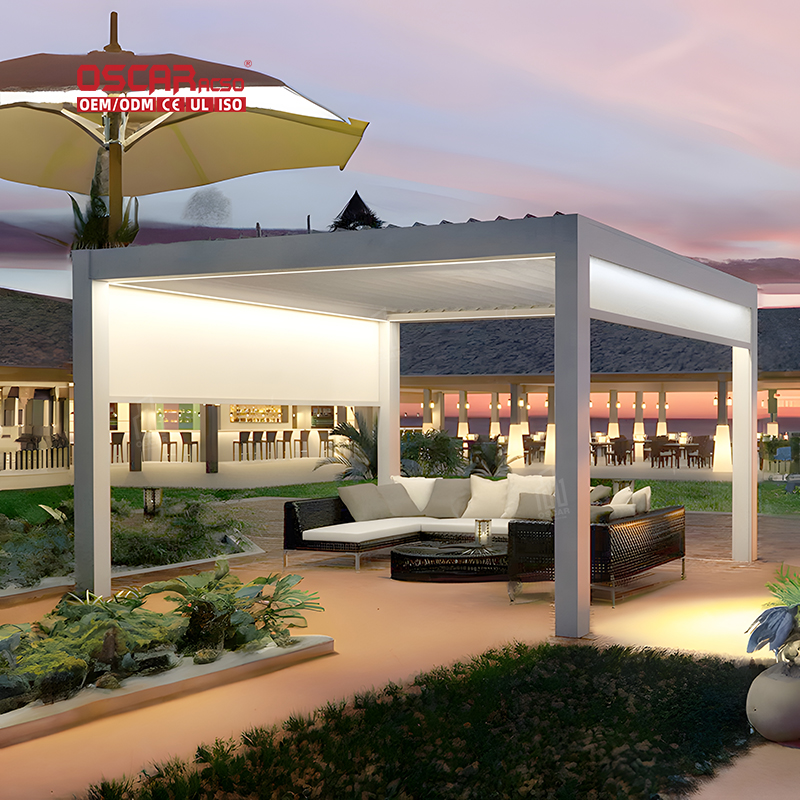
- Pergola: Open slats (no solid roof), focus on shade + openness, flexible for temporary covers.
- Gazebo: Solid, peaked roof, fully enclosed (often with screens), built for full weather protection.
- Q: Which one is better? It depends on your needs! If you want an open, low-maintenance space for relaxing, go with a pergola. If you need a fully sheltered area for rain or bugs, a gazebo is better.
Pergolas’ no-roof design isn’t a flaw—it’s what makes them unique. A 2024 outdoor living survey found that 72% of pergola owners chose the structure specifically for its open feel, citing “connection to nature” as their top reason. So next time you see a pergola without a roof, know it’s not missing anything—it’s exactly how it’s supposed to be.
.jpg "pergola why no roof")