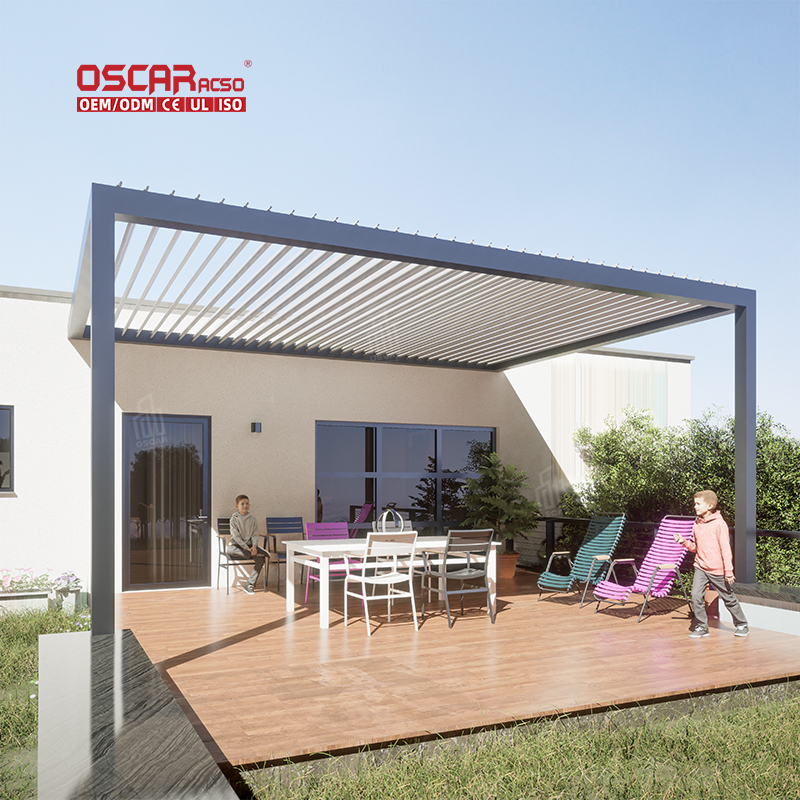
Have you ever looked at a pergola and wondered, “What’s the point of a structure without a solid roof?” It’s a common question, and the answer lies in a beautiful blend of form, function, and connection to the natural world. Unlike its fully-covered cousins, the gazebo or pavilion, a roofless pergola offers a unique experience of outdoor living.
The Essence of an Open-Top Pergola 🌤️
A pergola is fundamentally an outdoor structure composed of vertical posts that support an open framework of overhead beams and rafters . The primary purpose isn’t to provide complete shelter from the elements, but to create a defined, semi-sheltered space that harmonizes with your garden or patio. It’s about enjoying the outdoors with a touch of architectural elegance, not hiding from it completely.
So, why choose a structure without a full roof? The reasons are multifaceted and surprisingly practical.
.jpg "pergola why no roof")
- •
Dappled Sunlight and Dynamic Shade: The spaced slats or lattice roof are designed to filter sunlight, creating a play of light and shadow beneath. This provides partial shade,
protecting you from harsh direct sun while still allowing warmth and natural light to seep through . It’s the perfect balance for enjoying a sunny day in comfort.
- •
Superior Airflow and Ventilation: Without a solid roof or walls, air circulates freely. This prevents the space from becoming hot and stagnant, making it a cool and breezy retreat on a warm summer afternoon—a feature any fully enclosed structure lacks .
- •
A Framework for Living Beauty: One of the most charming aspects is its role as a support system for climbing plants. Imagine vines like wisteria, climbing roses, or ivy weaving through the rafters, eventually creating a living, blooming, and fragrant canopy that changes with the seasons .
- •
Defining Space Without Enclosing It: A pergola acts as an architectural anchor in your landscape. It visually defines an outdoor “room”—for dining, lounging, or entertaining—without the closed-in feeling of walls, maintaining an open and airy atmosphere .
- •
Stargazing and Connection to the Sky: When the sun goes down, the open roof transforms your pergola into a perfect stargazing platform. It allows you to enjoy the night sky in all its glory, turning an ordinary evening into something magical .
Beyond the Basics: The Deeper Perks
The benefits extend beyond these core features. A well-designed pergola can enhance your property’s value by creating an attractive and functional outdoor living area, with some estimates suggesting a potential 50-80% return on investment . It also offers a platform for customization; you can hang string lights, lanterns, outdoor curtains, or even add a retractable canopy for times when you desire more shade or rain protection .
Addressing the Elephant in the Room: Weather Limitations ☔
Yes, a traditional open-roof pergola won’t offer full protection during a downpour or a blizzard. This is often cited as a key disadvantage . However, many modern solutions bridge this gap beautifully. Retractable louvered roofs, waterproof fabric shades, or polycarbonate panels can be added. These offer flexibility, allowing you to adjust the coverage based on the weather and your needs, though solid covers can sometimes trap heat .
Pergola vs. Gazebo vs. Pavilion: Knowing the Difference
It’s easy to confuse these structures. Here’s a quick breakdown:
- •
Pergola: Open roof (lattice or beams), square/rectangular shape, provides partial shade.
- •
Gazebo: Fully covered, often octagonal, with a raised floor and built-in seating.
- •
Pavilion: Fully covered, square/rectangular, akin to an open-sided outdoor house .
The choice depends on whether you prioritize full shelter or a more open-air experience.
Is a Roofless Pergola Right for You? Ask These Questions.
Before investing, consider your local climate, how you plan to use the space, and your maintenance tolerance. While generally low-maintenance, wooden structures may require periodic sealing or staining . In milder climates, an open pergola is ideal. In areas with intense sun or heavy rain, planning for optional shade or cover might be wise.
The point of a pergola without a roof is to celebrate the outdoors, not block it out. It’s a structure that invites you to experience the fresh air, sunlight, and stars in a framed, elegant setting. It’s about creating a defined space for relaxation and connection, both with nature and with your guests. If your goal is to enhance your garden’s beauty and create a versatile outdoor living area that feels integrated with the environment, then a roofless pergola is a profoundly purposeful and rewarding choice.