

Choosing the perfect wood for your pergola is one of the most critical decisions you’ll make for your outdoor space 🌿. This choice directly impacts the structure’s aesthetics, longevity, maintenance needs, and overall enjoyment. The right wood can transform your backyard into a stunning retreat, while the wrong choice can lead to endless upkeep and premature replacement.

Let’s dive into the world of pergola woods and find your ideal match.
🌲 Top Wood Choices for Your Pergola
Several wood varieties stand out for pergola construction, each with unique characteristics.
- •
Western Red Cedar: This is a crowd favorite for good reason! It boasts natural resistance to rot, decay, and insects thanks to its inherent oils. Its beautiful reddish-brown hue and straight grain add a touch of timeless elegance to any garden. Cedar is also relatively lightweight and easy to work with, making it a great choice for DIY enthusiasts. It typically lasts 15-20 years with proper care .
- •
Redwood: Renowned for its stunning appearance and exceptional durability, redwood is a premium choice. Like cedar, it has natural resistance to moisture and pests. Its rich, deep color is highly sought after and ages gracefully. While it’s a fantastic option, especially in humid climates, it comes at a higher cost and requires a commitment to regular maintenance like annual sealing. Its lifespan can reach an impressive 20-40 years .
- •
Pressure-Treated Pine: If budget is a primary concern, pressure-treated pine is a highly affordable and practical option. The treatment process infuses the wood with chemicals that repel insects and resist rot. It’s readily available and easy to cut and shape. Keep in mind that it requires time to dry after treatment before you can stain or paint it, and it generally needs more upkeep than cedar or redwood to maintain its condition. Expect a lifespan of 10-40 years depending on maintenance .
- •
Douglas Fir: Valued for its great strength and moderate cost, Douglas Fir is a solid structural choice. It takes paint and stain well, allowing for customization. However, it is not naturally as resistant to rot and insects as cedar or redwood, so a protective finish is absolutely essential for outdoor use. With diligent care, it can last 10-35 years .
- •
Tropical Hardwoods (Ipe, Teak): For a truly luxurious and ultra-durable option, consider dense hardwoods like Ipe or Teak. They are incredibly hard, dense, and resistant to weather, rot, and insects. Ipe even has a Class A fire rating. Their rich colors are beautiful but often come with a high price tag, require specific tools to work with due to their density, and should be sourced from sustainable suppliers. The longevity is outstanding, with Ipe lasting 25-75 years .

⚖️ Key Factors to Consider When Choosing
Selecting the best wood isn’t just about picking the most expensive or the prettiest; it’s about finding the right fit for your specific situation.
- •
Climate & Environment: Your local weather is a huge deciding factor. For humid, rainy climates, the natural resistance of cedar, redwood, or tropical hardwoods is ideal. In drier climates, Douglas Fir or properly maintained pressure-treated pine can be excellent choices. For coastal areas with salty air, consider the superior corrosion resistance of vinyl or metal, though some hardwoods also perform well .
- •
Budget & Cost: Costs can vary dramatically. Pressure-treated pine and Douglas Fir are generally the most budget-friendly. Cedar offers a middle-ground in terms of price and performance. Redwood and tropical hardwoods like Ipe and Teak are premium investments. Remember to factor in not just the initial cost of materials, but also long-term maintenance expenses .
- •
Maintenance Commitment: Be honest about how much upkeep you’re willing to do. Woods like cedar and redwood need regular sealing to maintain their beauty and resistance. Pressure-treated pine requires consistent staining or painting. Tropical hardwoods are low-maintenance but may need occasional oiling to retain their color. If you want minimal upkeep, consider alternative materials like vinyl or aluminum .
- •
Aesthetic Appeal & Design: The wood should complement your home’s architecture and your personal style. Do you prefer a natural, rustic look that can gray over time? Cedar and redwood are perfect. Want a wood that can be painted or stained any color? Pine and Fir are great blanks slates. Seeking a rich, exotic appearance? Ipe or Teak might be your answer .
.jpg "pergola what wood to use")
🛠️ Installation & Long-Term Care Tips
A successful pergola project extends beyond just choosing the wood.
- •
Proper Installation is Key: Ensure posts are set correctly in concrete footings below the frost line to prevent shifting. Use stainless steel or galvanized hardware to avoid unsightly staining from rust, especially when using cedar or redwood .
- •
The Importance of Finishing: Always apply a high-quality sealant, stain, or paint designed for outdoor use. This creates a protective barrier against UV rays and moisture, significantly extending the life of any wood, even the naturally resistant ones. Some woods need to be finished immediately after installation, while others (like pressure-treated pine) need to dry first .
- •
Routine Maintenance Routine: A little care goes a long way.
- •
Annual Cleaning: Gently wash with a soft brush and a mild soap solution to remove dirt, mold, and mildew .
- •
Regular Inspections: Check for signs of damage, loose hardware, or wear in the finish.
- •
Reapply Protective Finishes: Re-stain or reseal your pergola every 2-3 years to maintain its protection and beauty .
- •
💡 Beyond Wood: A Quick Look at Alternative Materials
While wood is classic, other materials offer unique benefits.

- •
Vinyl: Extremely low-maintenance and resistant to rot and insects. It won’t splinter or fade easily but can lack the natural warmth and authenticity of real wood .
- •
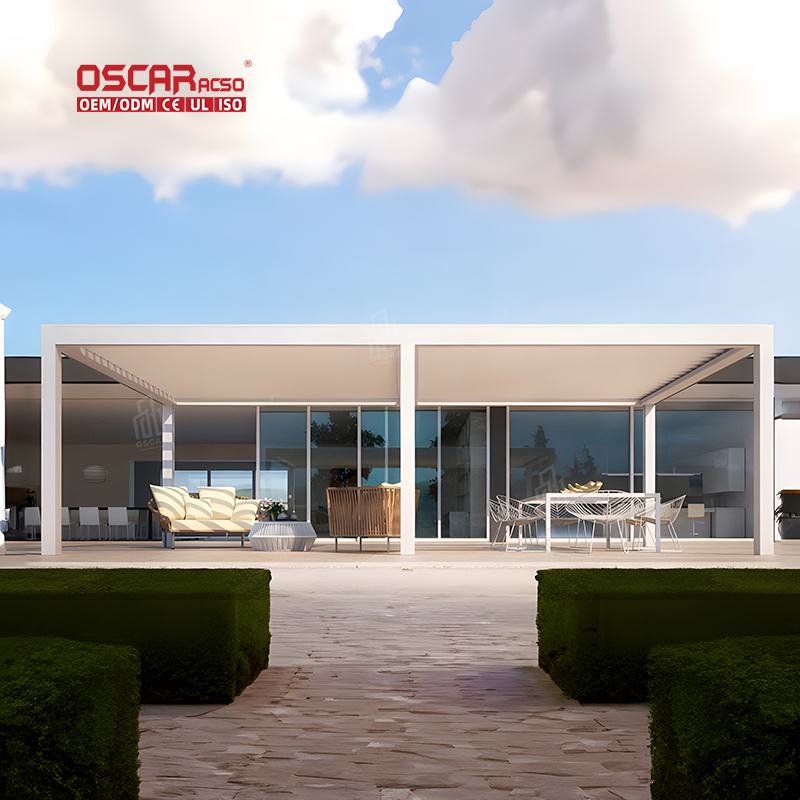
Aluminum: Highly durable and rust-resistant, aluminum pergolas are structurally strong and require very little upkeep. They offer a clean, modern aesthetic but are not a traditional wood look .
The best wood for your pergola seamlessly blends your desired aesthetic, practical maintenance level, and budget. It’s the foundation for countless memories in your outdoor living space. Don’t just choose a wood; choose an experience. Whether it’s the rustic charm of cedar or the unparalleled durability of Ipe, your perfect pergola awaits ☀️.
