The pergola, a garden staple we admire today, boasts a history stretching back millennia. While pinpointing an exact “invention” date is tricky, the earliest evidence points to ancient Roman times. These structures were not merely decorative; they served a quintessential Roman purpose: providing a shaded, comfortable outdoor space for dining and relaxation. Pliny the Younger, in his description of a Tuscan villa, mentions a “curved dining-seat of white marble, shaded by a vine trained over four slender pillars of Carystian marble,” capturing the essence of the early pergola .The concept, however, might be even older. Some depictions suggest similar structures existed in ancient Egypt, Greece, and Rome as far back as 80 BC. These were often highly elaborate, constructed from marble and stone, and offered a welcome retreat from the sun—a place to recline and enjoy fresh air while remaining protected from the elements.
More Than Just Beauty: The Medieval Shift 🏰
During the medieval period, the pergola evolved. It transformed from a symbol of classical luxury into a more rustic, functional feature within monastery and cottage gardens. Medieval gardeners crafted shady arbours using wooden laths of willow or hazel, typically covered in vines or ivy, to create covered pathways or secluded seating areas .These structures were practical and organic, a sharp contrast to the stone pillars of Roman estates. Turf benches, often built with timber or bricks and topped with flowering herbs like chamomile or violets, were common companions to these shaded retreats, emphasizing a blend of utility and simple pleasure . Furthermore, arbours and arches held spiritual significance, frequently appearing in religious paintings depicting saints and Madonnas under rose-clad bowers .
A Renaissance Rebirth: Art Meets Architecture 🎨
The pergola experienced a magnificent revival during the Renaissance, particularly in Italy. This era saw the structure transcend its purely practical role and become a powerful symbol of the idealised garden and a canvas for artistic expression .Tunnel arbours became longer, more prominent, and architecturally sophisticated. A pivotal moment came with the publication of Hypnerotomachia Poliphiliin 1499, which featured woodcut illustrations showcasing pergolas with elegant, new classical forms . But the innovation didn’t stop there. Artists like Giovanni da Udine in Rome (circa 1517-1520) took the concept to another level by creating breathtaking illusionistic pergolas—frescoes painted on interior loggia ceilings that mimicked the dappled light and lush vegetation of real outdoor structures, blurring the line between inside and out .
Global Journeys and Unique Forms 🌍
The basic principle of supporting climbing plants on a structure traveled and adapted across cultures. A fascinating and unique example is found in China. The Xuanhua traditional funnel-shaped grape pergolas, with a history spanning over 1,300 years, are a testament to this adaptive spirit. These large, circular structures, with vines radiating from a central point, are designed for practicality, offering advantages in wind resistance, cold resistance, and efficient use of light, water, and fertilizer. This design is so distinctive it’s been recognized as a Globally Important Agricultural Heritage System.
The Pergola Today: Your Personal Oasis ✨
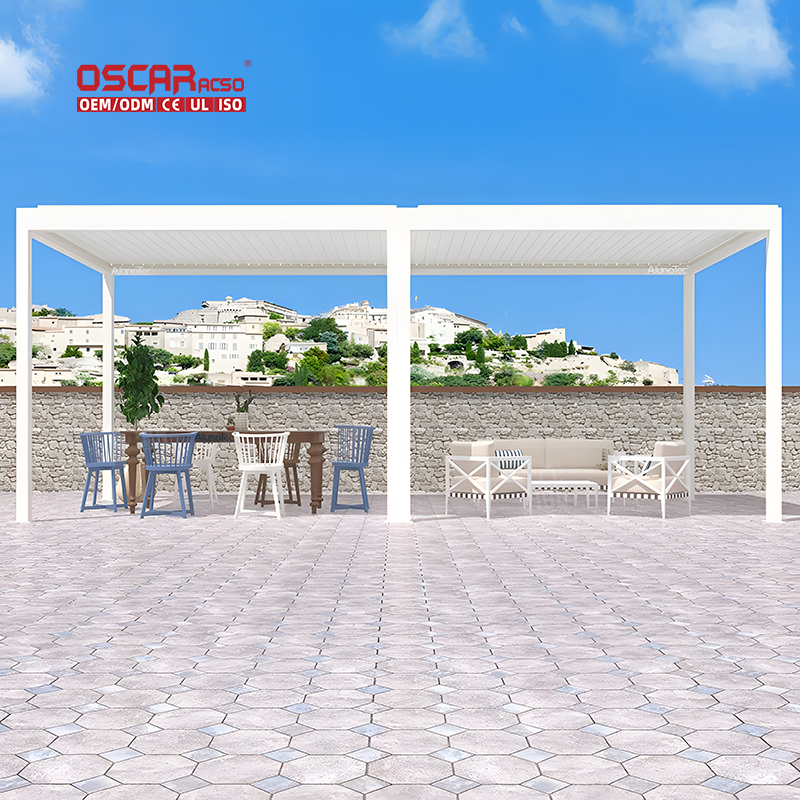
From ancient marble to modern aluminum, the pergola’s core function remains: to create a harmonious blend of architecture and nature. Today’s pergolas are versatile, durable, and stylish. Modern materials like aluminum offer low maintenance and excellent durability while still supporting climbing flora .They define outdoor rooms, extend living spaces, and provide a framework for gardens and gatherings. Whether it’s a poolside retreat, an outdoor dining room, or a quiet nook for reading, the pergola continues to be a beloved feature, allowing us to create our own personal slices of paradise .The story of the pergola is a rich tapestry woven through time, connecting us to ancient Romans, medieval monks, Renaissance artists, and innovative gardeners across the globe. Its enduring appeal lies in its unique ability to marry shelter with nature’s beauty, creating spaces that are both functional and profoundly beautiful.

.jpg "when were pergola invented")


.jpg "when were pergola invented")
