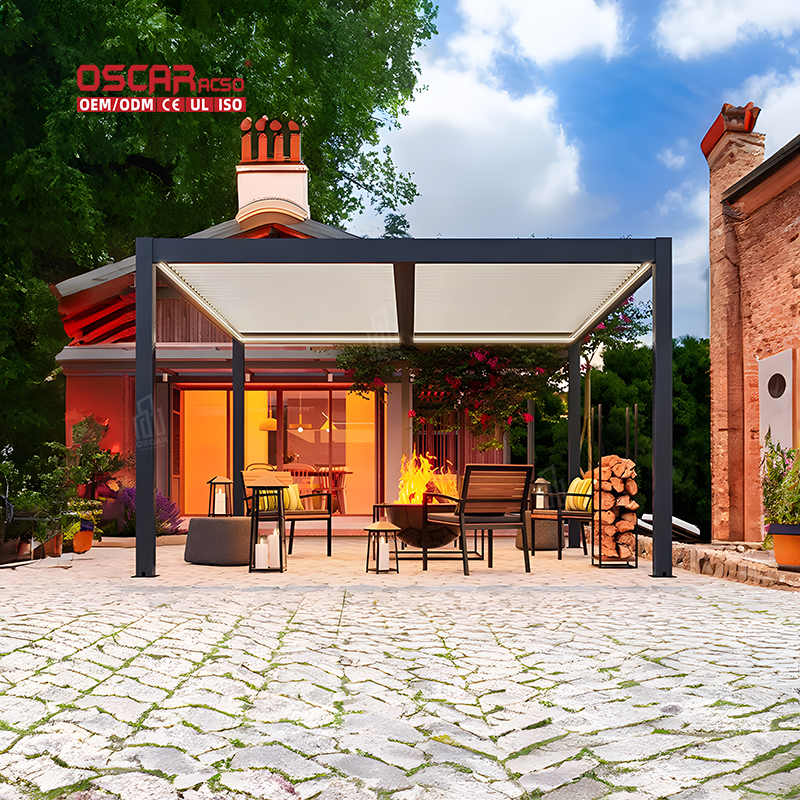
Imagine this: it’s a beautiful Saturday morning, and instead of starting a complex construction project that will take weeks, you’re unwinding with a coffee under the shade of your brand-new pergola. This isn’t a distant dream—it’s the reality of choosing a prefab pergola. These ingenious kits are revolutionizing outdoor living, offering a perfect blend of style, function, and surprisingly simple installation. 🌞
What Exactly is a Prefab Pergola?
So, what makes a pergola “prefab”? Think of it like sophisticated furniture for your backyard. Instead of sourcing raw lumber and cutting each piece from scratch, a prefab (prefabricated) pergola arrives as a complete kit. All the components—posts, beams, rafters, and hardware—are pre-cut, pre-drilled, and pre-finished at a factory . Your main task is the assembly, which dramatically slashes the build time and reduces the potential for errors.Why does this matter? For most DIY enthusiasts, the most daunting part of a project isn’t the assembly itself, but the precise measuring and cutting. Prefab kits eliminate this hurdle, making a stunning outdoor structure accessible to nearly everyone.
The Undeniable Allure: Why Go Prefab?
The benefits of choosing a prefab model over a custom-built structure are compelling. Let’s break down the major advantages:
• Speed of Installation 🚀: This is the game-changer. While a traditional build can take weeks, a prefab pergola can often be completed in a single weekend . The streamlined process is a major reason for their soaring popularity.
• Cost-Effectiveness 💰: Prefab pergolas are generally more budget-friendly. By manufacturing in bulk, companies can offer kits at a lower price point than the combined cost of custom materials and professional labor. Expect a basic model to start around **2,500∗∗,withmoreelaboratedesignsreaching20,000 or more .
• Surprising Consistency and Quality: Since components are crafted in a controlled factory environment, you benefit from enhanced quality control . Each piece is engineered to fit perfectly with the next, ensuring a uniform and professional look.
• DIY-Friendly Design: Most kits are designed with the homeowner in mind. They come with detailed instruction manuals, and many companies, like Yardistry (sold at Costco), even provide online assembly videos for extra support . As one satisfied customer noted, the instructions were clear and easy to follow, making the assembly a manageable project .
A World of Choices: Materials and Styles Galore
Prefab doesn’t mean one-size-fits-all. You have a fantastic array of materials to choose from, each with its own character and benefits:
• Wood: The classic choice. Wood offers a timeless, natural beauty that blends seamlessly with any garden. Options like cedar provide natural resistance to rot and insects. However, it typically requires more maintenance, such as periodic staining or sealing, to preserve its appearance .
• Aluminium: A champion of durability and low maintenance. Aluminum pergolas are lightweight, rust-proof, and incredibly sturdy . They often come with powder-coated finishes in various colors and can be combined with louvers or polycarbonate sheets for adjustable shade .
• Vinyl (PVC): If you want a virtually maintenance-free option, vinyl is a strong contender. It won’t rot, peel, or require painting, making it a true “set-it-and-forget-it” material. It’s also a budget-friendly alternative that can mimic the look of wood .
• Wood-Plastic Composite (WPC): This innovative material is a top choice for the eco-conscious. Made from recycled wood fibers and plastic, WPC pergolas offer the natural look of wood with superior resistance to rot, cracking, and moisture . They are low-maintenance and often come with impressive warranties of 25-30 years .
The Installation Journey: What to Expect
While each kit is different, the general process is refreshingly straightforward. Here’s a simplified step-by-step overview:
1. Site Preparation: Choose a level spot in your yard. This is crucial for stability. You’ll typically mark the post locations and dig holes for the footings .
2. Setting the Posts: This is the most critical step for ensuring a level and sturdy structure. Posts are placed in the holes, braced, and often set in concrete to cure .
3. Main Assembly: Once the posts are secure, the fun begins! You’ll attach the main beams and then the rafters or louvered roof system. This is where you see the pergola take shape .
4. Finishing Touches: After the main structure is up, you can add your personal flair with climbing plants, string lights, or outdoor curtains.
A key piece of advice from experienced builders: always read a few pages of the instructions ahead to understand the next steps and gather the necessary hardware. This simple tip can significantly speed up the process .
Smart Shopping: Key Considerations Before You Buy
Before you click “add to cart,” ponder these points to ensure you get the perfect pergola for your space:
• Size and Scale: Carefully measure your available space. Prefab kits come in standard sizes like 10×10 feet or 10×12 feet, but it’s essential to ensure it will fit comfortably without overwhelming your yard .
• Local Regulations: Check with your local building authority to see if you need a permit for your project. Regulations can vary significantly by region .
• Warranty and Support: A solid warranty is a sign of a quality product. Look for companies that stand behind their kits with warranties on both materials and workmanship .
• The “Gotcha” of Customization: The main trade-off with a prefab kit is limited customization. If you have a highly specific, non-standard design in mind, a custom build might be the only way to achieve it .
My Personal Take: The Real Value Beyond the Manual
Having explored countless backyard projects, I believe the true value of a prefab pergola isn’t just in the time saved—it’s in the confidence it instills. For a novice, the fear of making a costly mistake can be paralyzing. A prefab kit provides a clear, guided path to success. The peace of mind knowing that all the parts are designed to work together is priceless.One often-overlooked advantage is the resale value. A well-built pergola is not just an expense; it’s an investment that enhances your property’s curb appeal and usable living space. Potential buyers see it as a ready-to-use outdoor room, which can be a significant selling point.A fascinating detail that many don’t consider is the factory finish. When wood is pre-stained in a controlled environment, the coverage is often more uniform and durable than a DIY stain job, which can be affected by weather and application technique . This small detail can have a big impact on long-term maintenance.While some skilled builders might balk at the constraints of a kit, for the vast majority of homeowners, a prefab pergola offers the most direct route to creating a beautiful and functional outdoor retreat. It’s the perfect project for a productive, rewarding weekend.


.jpg "prefab pergola")
.jpg "prefab pergola")