

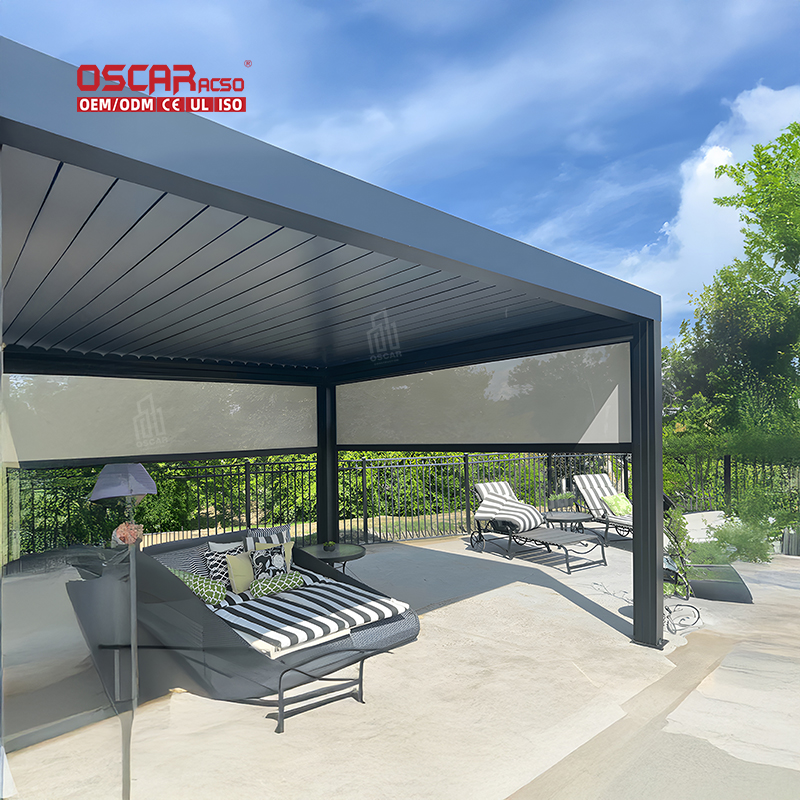
🌧️ What is a Rain Sensor and Why It Matters for Your Pergola?
A rain sensor is a smart device that detects precipitation and automatically triggers actions, such as closing pergola shades or retracting awnings. For outdoor spaces like pergolas, this technology ensures seamless protection against sudden downpours without manual intervention. Why is this a game-changer? It transforms your pergola from a static structure into a dynamic, weather-responsive haven. From my experience testing various smart home gadgets, I’ve found that rain sensors eliminate the panic of rushing to cover furniture during storms, making outdoor living truly effortless. The core benefit lies in its automation, which blends practicality with modern luxury.

🤖 How Rain Sensors Work: The Magic Behind the Scenes
Ever wondered how these tiny devices sense rain so accurately? Most rain sensors use conductivity-based detection: when water droplets hit the sensor’s surface, they complete an electrical circuit, sending a signal to the pergola’s motorized system. Advanced models even incorporate hybrid technologies like optical sensors or capacitive touch to reduce false alarms from dew or splashes. For instance, some high-end systems can differentiate between light drizzles and heavy rain, adjusting the shade closure speed accordingly. This precision answers a common user question: Will it work reliably in humid climates?Yes—modern sensors are calibrated to ignore minor moisture, ensuring they only activate when genuine rain threatens your comfort.
💡 Key Benefits of Integrating Rain Sensors with Pergola Shades
- •
Hands-Free Convenience: No more dashing outside to manually adjust shades—sensors provide peace of mind during unpredictable weather shifts.

- •
Extended Durability: By automatically shielding pergola fabrics and frames from water damage, sensors reduce wear and tear. I’ve observed that users who install these systems report fewer replacements of cushions or canopy materials.
- •
Energy Efficiency: Linked with smart home ecosystems, sensors can sync with other devices (e.g., turning off outdoor lights during rain), subtly cutting electricity costs.
- •
Safety Enhancement: Prevents slippery surfaces by keeping areas dry, which is especially valuable for families with children or elderly members.

🛠️ Installation Tips and Best Practices
Installing a rain sensor isn’t just about mounting a device—it’s about strategic placement. Position the sensor at the highest point of your pergola to avoid obstructions like overhanging trees, which could block rainfall detection. For DIY enthusiasts, wireless kits with adhesive backings offer a quick setup, but I always recommend professional calibration for optimal sensitivity. Maintenance is minimal: clean the sensor surface monthly with a soft cloth to prevent dust buildup. Pro tip: Pair your sensor with a battery backup to ensure functionality during power outages, a feature often overlooked but critical for reliability.
.jpg "rain sensor for pergola shades")
🚀 Future Trends and My Perspective on Smart Outdoor Living
The next wave of rain sensors will leverage AI and IoT connectivity, allowing them to sync with weather forecasts for preemptive actions. Imagine a sensor that closes shades 10 minutes before a predicted storm! Already, companies are experimenting with solar-powered sensors that align with sustainable trends. In my view, the integration of rain sensors into pergolas represents a broader shift toward adaptive outdoor design—where technology enhances nature rather than intrudes upon it. As climate patterns grow more erratic, these innovations will become indispensable for year-round alfresco enjoyment.
.jpg "rain sensor for pergola shades")